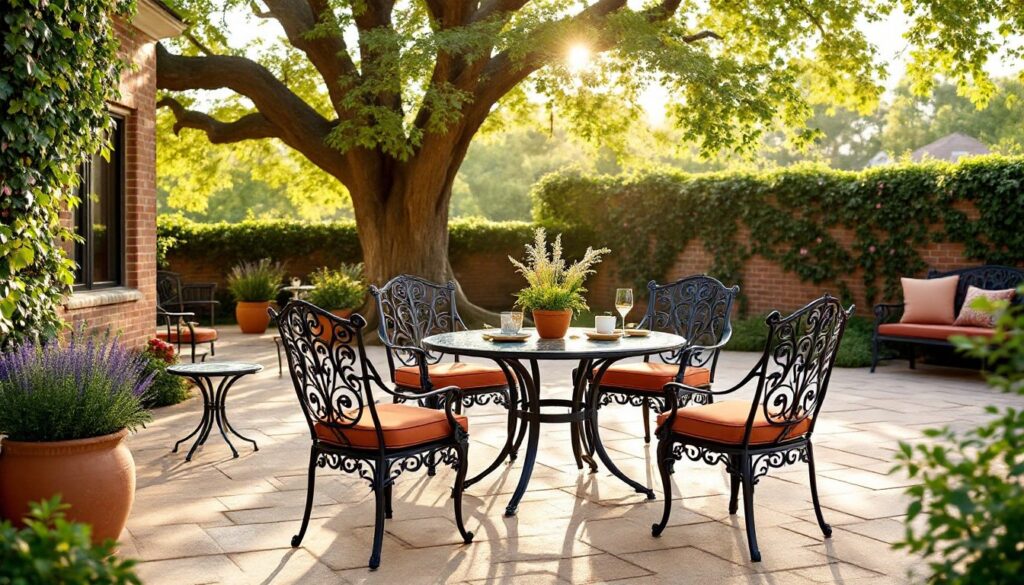
Wrought iron patio furniture has been gracing porches, patios, and gardens for centuries, and there’s a reason it hasn’t gone out of style. Unlike resin or aluminum alternatives, wrought iron offers genuine heft, classic detailing, and a durability that can outlast most homeowners’ mortgages, if properly maintained. It’s not the lightest option, and it will require more upkeep than powder-coated steel or composite sets, but for those who want outdoor furniture that feels permanent and substantial, wrought iron delivers. This guide covers what makes wrought iron a smart pick, the types available, how to keep it looking good, and how to style it so your patio doesn’t look like a Victorian tearoom dropped into a suburban backyard.
Table of Contents
ToggleKey Takeaways
- Wrought iron patio furniture offers superior durability and classic detailing that can last 20+ years, though it requires more maintenance than powder-coated or composite alternatives.
- The material is structurally sound due to forging rather than casting, making it resistant to cracking under stress and ideal for weathering wind, rain, and outdoor conditions.
- Modern wrought iron patio furniture labeled as such is typically mild steel with a protective finish, and will eventually rust—especially in coastal or humid climates—requiring periodic maintenance and paint touch-ups.
- Choose tempered glass or mesh table tops over solid iron to prevent heat damage and stemware issues, and opt for cushioned or sling-style seating for better comfort and durability.
- Prevent rust by cleaning monthly, inspecting twice yearly for surface oxidation, applying rust-inhibiting primer and exterior-grade enamel, and sealing with automotive wax or metal sealant every six months to a year.
- Pair wrought iron pieces with cushions in outdoor-grade fabrics, soft greenery, and strategic lighting to prevent a formal museum aesthetic, while avoiding theme overkill by letting the furniture be the focal point.
Why Choose Wrought Iron for Your Patio Furniture
Wrought iron isn’t just heavy, it’s structurally sound. The material is shaped through forging rather than casting, which gives it tensile strength and resistance to cracking under stress. That makes it ideal for outdoor furniture that needs to withstand wind, rain, and the occasional bump from a lawnmower.
Weight is both a pro and a con. A full-size wrought iron dining set won’t blow across the yard in a storm, but moving it for cleaning or repositioning usually requires two people. If mobility matters, consider smaller accent pieces or invest in furniture glides.
Durability outlasts most alternatives. With proper care (covered later), wrought iron furniture can last 20+ years. Compare that to resin wicker, which can crack and fade within five to seven years under UV exposure, or untreated wood, which may need refinishing every few seasons.
Design flexibility is a key advantage. Wrought iron can be scrolled, twisted, and shaped into intricate patterns that are difficult or impossible to replicate in aluminum or steel. If you’re after a French bistro look, Victorian garden aesthetic, or Mediterranean courtyard vibe, wrought iron offers the detailing to match.
One caveat: wrought iron rusts. Modern patio furniture labeled “wrought iron” is often mild steel with a protective finish, not true wrought iron (which is rare and expensive). Either way, the finish will eventually wear, especially in coastal or high-humidity climates. Budget for periodic maintenance or choose powder-coated steel if rust prevention is a priority.
Types of Wrought Iron Patio Furniture to Consider
Dining Sets and Bistro Tables
Wrought iron dining sets typically seat four to six and include a table with an umbrella hole and matching chairs. Table diameters range from 42 to 60 inches, with 48 inches being the sweet spot for a family of four. Look for tempered glass or mesh tops, solid iron tops get scorching hot in direct sun and are murder on stemware.
Bistro sets (table plus two chairs) work well on balconies or smaller patios. Standard bistro table tops run 24 to 30 inches in diameter. These sets often feature ornate scrollwork and pedestal bases, which add charm but can be tippy on uneven surfaces. Use adjustable leveling feet or pavers to stabilize.
Chair seats matter more than you’d think. Solid iron seats look great but conduct heat and cold. Cushioned seats or sling-style mesh inserts improve comfort and reduce the need for add-on cushions (which blow away or retain moisture). Many outdoor furniture pieces balance aesthetics with practical comfort features.
Seating Options: Chairs, Benches, and Loveseats
Wrought iron seating comes in three main forms: dining chairs, lounge chairs, and benches. Dining chairs are upright, often with arms and straight backs. They’re built for meals, not marathon conversations, add cushions if guests will linger.
Lounge chairs and loveseats offer deeper seats and reclined backs. These work well for reading or napping but check the weight capacity. Quality wrought iron seating supports 250 to 300 pounds per seat, but cheaper imports may use thinner gauge metal that flexes under load.
Benches are versatile for entryways, garden borders, or extra seating. A 48- to 60-inch bench fits two adults comfortably. Look for cross-bracing under the seat, without it, the frame can sway or twist over time. Garden design enthusiasts often integrate wrought iron seating as focal points in tiered planting beds or along walkways.
Safety note: Wrought iron edges can be sharp, especially on older or handmade pieces. File down burrs and check welds for rough spots before letting kids climb on furniture.
How to Care for and Maintain Wrought Iron Outdoor Furniture
Maintenance isn’t optional, it’s the difference between furniture that lasts decades and furniture that becomes a rust sculpture in five years.
Start with regular cleaning. Hose down furniture monthly to remove pollen, dirt, and salt spray (if you’re near the coast). For stubborn grime, use a mild dish soap solution and a nylon brush. Avoid steel wool or wire brushes, which scratch protective coatings and accelerate rust.
Inspect for rust at least twice a year. Surface rust (light orange powdering) can be removed with fine-grit sandpaper (220-grit) or a rust-removal product like naval jelly. Sand until bare metal shows, wipe clean, then apply a rust-inhibiting primer (look for products labeled for outdoor metal use). Finish with exterior-grade enamel paint in a color that matches the original finish. Two thin coats beat one thick coat.
Deep rust or flaking paint requires more work. Use a wire brush attachment on a drill or an angle grinder to strip the affected area down to bare metal. This is loud, messy work, wear safety goggles, a dust mask, and ear protection. Prime and paint as above. If rust has pitted the metal or compromised structural welds, replacement is safer than patching.
Protective coatings extend lifespan. After cleaning and touch-up painting, apply a clear automotive wax or specialized metal sealant to repel moisture. Reapply every six months in humid or coastal climates, annually in drier regions.
Winter storage matters in freeze-thaw climates. If you can’t store furniture indoors, at minimum cover it with breathable, UV-resistant furniture covers (not plastic tarps, which trap condensation). Prop covers off the furniture with blocks or PVC spacers to allow airflow. Many homeowners discover end-of-season patio furniture deals when planning upgrades or replacements before winter.
Styling Your Outdoor Space with Wrought Iron Pieces
Wrought iron reads formal, so pairing it with softer elements prevents your patio from feeling like a museum courtyard.
Cushions and textiles add warmth. Choose outdoor-grade fabrics (Sunbrella or solution-dyed acrylic) in colors that complement the iron finish. Blacks and dark grays blend seamlessly: jewel tones (emerald, navy, terracotta) pop without clashing. Tie cushions to chair frames or use non-slip pads, wrought iron’s smooth finish means cushions slide.
Greenery softens the look. Potted plants, hanging baskets, or climbing vines (like jasmine or clematis trained on arbors) balance iron’s industrial edge. Place pots on saucers with felt pads to avoid scratching finishes or leaving rust rings on patios.
Lighting sets the mood. String lights, lanterns, or tabletop candles work well with wrought iron’s traditional aesthetic. If running electrical for permanent fixtures, hire a licensed electrician, outdoor wiring must meet NEC (National Electrical Code) standards for wet locations.
Mix materials strategically. Wrought iron pairs well with natural stone, brick, or wood decking. Avoid pairing it with too much plastic or resin, which cheapens the overall look. For inspiration on integrating classic pieces into modern layouts, design guides on wrought iron styling offer room-by-room examples.
Scale matters. Oversized wrought iron sets can overwhelm small patios. Measure your space before buying, allow 36 inches between the table edge and walls or railings for comfortable chair pullout. On larger patios, use multiple smaller groupings (bistro set + bench + side table) instead of one massive dining set. This creates zones for different activities without dead space.
Avoid theme overkill. Wrought iron already makes a statement. You don’t need matching planters, wall art, and candle holders. Pick one or two accent pieces and let the furniture be the hero. Curated collections of recommended wrought iron furniture demonstrate how restraint elevates outdoor design.
Conclusion
Wrought iron patio furniture isn’t low-maintenance, and it’s definitely not lightweight. But for homeowners willing to invest in upkeep, it offers a combination of durability, classic design, and structural integrity that few outdoor materials can match. Inspect it regularly, stay ahead of rust, and choose pieces that fit both your space and how you actually use your patio, not just how it looks in a catalog.