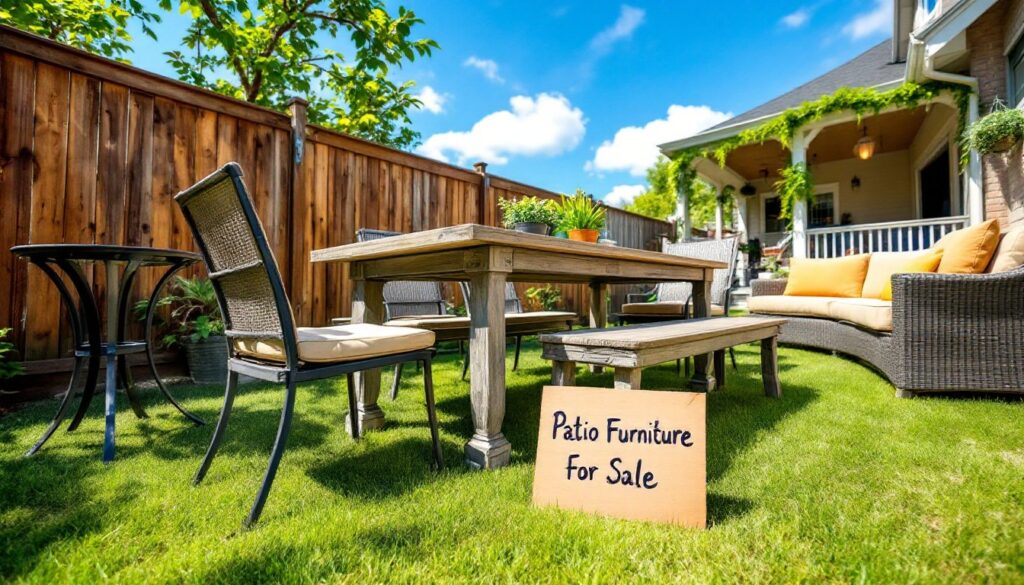
Shopping for used patio furniture isn’t just thrifty, it’s smart. Quality outdoor pieces are built to withstand years of UV exposure, rain, and temperature swings, which means they often have plenty of life left even after their first owner moves on. Whether someone’s hunting for a teak dining set, a wrought iron bistro table, or cushioned lounge chairs, the secondhand market offers solid options at a fraction of retail prices. The trick is knowing where to look, what red flags to watch for, and how to bring tired pieces back to life with minimal effort.
Table of Contents
ToggleKey Takeaways
- Used patio furniture for sale near me typically costs 40–60% less than retail while offering quality materials like teak, aluminum, and wrought iron that last for decades.
- Facebook Marketplace, Craigslist, Nextdoor, and local estate sales are the best places to find used patio furniture, with fresh inventory appearing Thursday through Saturday mornings.
- Inspect frame integrity, wood for rot or splits, and test moving parts like reclining mechanisms before purchasing—fabric cushions are the most replaceable component and cost $30–$80 each to custom-make.
- Cleaning and restoring used patio furniture is achievable with basic tools: degreasing dish soap for metal, deck cleaner for wood, and wire brushes for rust removal followed by primer and exterior paint.
- Buying used patio furniture reduces landfill waste from mixed-material outdoor pieces while allowing you to find vintage or discontinued styles unavailable in the new market.
Why Buying Used Patio Furniture Is a Smart Choice
New outdoor furniture carries steep markups. A mid-range sectional can run $1,200 to $3,000 retail, while comparable used sets often sell for 40–60% less. That pricing gap reflects depreciation, not necessarily condition, many sellers upgrade for aesthetic reasons or downsize when moving.
Material longevity plays a big role. Teak, aluminum, wrought iron, and all-weather wicker are engineered for durability. A ten-year-old teak bench that’s been sealed properly can outlast a brand-new particleboard piece by decades. Even powder-coated steel frames hold up well if the coating remains intact.
Buying used also keeps bulky items out of landfills. Outdoor furniture is notoriously difficult to recycle due to mixed materials, metal frames with fabric cushions, plastic resin with metal hardware. Extending the useful life of these pieces reduces waste and the energy cost of manufacturing replacements.
Finally, vintage and discontinued styles show up in the used market. Mid-century patio chairs, ornate Victorian cast iron, and discontinued colorways from major brands can’t be found new. For anyone restoring a specific era or design aesthetic, secondhand is often the only viable route.
Best Places to Find Used Patio Furniture Near You
Online Marketplaces and Local Listing Sites
Facebook Marketplace dominates local secondhand sales in most U.S. regions. Filters for location radius, price range, and keywords like “teak,” “aluminum,” or “sectional” help narrow results. Listings update in real time, so checking daily, especially Thursday through Saturday mornings, catches fresh inventory before it’s claimed.
Craigslist still thrives in metro areas and college towns. The “free” section occasionally features patio sets from homeowners who need them gone before a move. Negotiating is standard: many sellers expect 10–20% below asking price, especially for pickup-only items.
Nextdoor connects neighbors directly. Posts often include photos of furniture still in situ, which provides context for size and condition. Because transactions happen within the same community, there’s less risk of no-shows compared to broader platforms.
OfferUp and Letgo (now merged) cater to mobile users. Their rating systems add a layer of accountability. Sellers with high ratings and multiple completed transactions are generally more reliable for scheduling pickups.
Many shoppers find seasonal clearance events helpful for comparing new versus used pricing, which sharpens negotiation instincts when evaluating secondhand deals.
Physical Locations and Community Sales
Estate sales often feature complete outdoor setups, table, chairs, umbrella, and cushions sold as a lot. Prices drop significantly on the final day. Bring a truck or trailer: delivery isn’t typically offered.
Habitat for Humanity ReStores accept furniture donations and resell them to fund housing projects. Inventory is unpredictable, but prices stay low. Stores in wealthier suburbs sometimes carry higher-end pieces like teak or cast aluminum.
Consignment shops specializing in outdoor goods curate inventory and handle negotiations. Shoppers pay a bit more than private-party sales, but items are cleaned and inspected. Some shops offer short return windows, a rarity in secondhand transactions.
Community yard sale weekends and neighborhood-wide sales events concentrate inventory in one area. Arriving early (7–8 a.m.) provides first pick: arriving late (1–2 p.m.) improves negotiating leverage as sellers prioritize clearing out over maximizing profit.
Salvage yards and architectural reclaim centers stock wrought iron benches, vintage gliders, and commercial-grade cafe sets pulled from restaurants or hotels. These pieces are often overbuilt compared to residential furniture, with thicker metal and reinforced joints.
What to Look for When Inspecting Used Outdoor Furniture
Frame integrity matters most. Wiggle chairs and tables to check for loose joints. On metal frames, inspect welds and corner brackets for cracks. Aluminum won’t rust, but it can corrode or develop stress fractures if overloaded. Wrought iron should be checked for flaking paint or rust bloom, surface rust can be sanded and repainted, but deep pitting weakens structural integrity.
For wood furniture, look for checking and splits. Hairline cracks along the grain are normal in teak and cedar, but splits wider than 1/8 inch or running perpendicular to the grain indicate stress damage. Press a thumbnail into the wood: soft or spongy spots signal rot. Joints should be tight. If screws pull out easily or dowels rattle, repairs will be needed.
Wicker and resin furniture should flex slightly without cracking. Brittle strands that snap under light pressure mean UV damage has degraded the material. Check the underside and back, if those areas are intact, the piece likely sat in shade or under a cover. Resin (plastic) wicker is more forgiving than natural rattan, which shouldn’t be left outdoors year-round.
Cushions and fabric are the most replaceable components, but assess them honestly. Foam that’s compressed flat or crumbling won’t recover. Mildew stains and odors are hard to eliminate fully. Fortunately, outdoor cushion foam and Sunbrella-style fabric are available by the yard at fabric stores or online. Custom cushions typically cost $30–$80 each, depending on size.
Some buyers prefer mixing new accent pieces with refurbished finds to balance cost and freshness.
Hardware and moving parts should operate smoothly. Test reclining mechanisms, folding hinges, and swivel bases. Rust on bolts is fixable with a penetrating lubricant and replacement fasteners (stainless steel or galvanized to resist future corrosion). Stripped screw holes can be repaired with wood filler or threaded inserts.
Bring a tape measure. Doorways, truck beds, and pergola clearances are unforgiving. A sectional that looked perfect online can become a logistical nightmare if it won’t fit through a gate.
How to Clean, Restore, and Upgrade Your Used Patio Finds
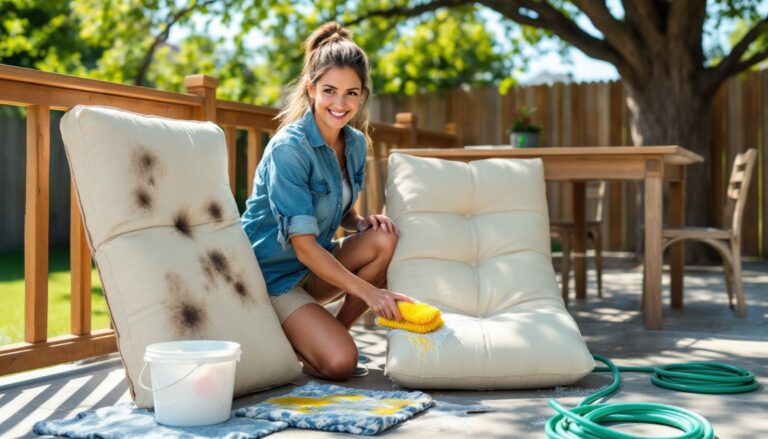
Start with a thorough cleaning. For metal frames, use a degreasing dish soap and a nylon brush. Avoid steel wool on powder-coated or painted surfaces, it scratches protective finishes. Rinse with a garden hose and dry completely to prevent flash rust.
Wood furniture benefits from a two-step clean. First, scrub with a deck cleaner (sodium percarbonate-based products like OxiClean work well) to remove grime and mildew. Rinse, let dry 48 hours, then sand lightly with 120-grit sandpaper to smooth raised grain. Teak and eucalyptus can be left to weather naturally or treated with teak oil to restore color. Cedar and pine need a penetrating wood sealer or exterior stain every 1–2 years.
Rust removal on wrought iron requires a wire brush or angle grinder with a wire wheel attachment for heavy buildup. Wear safety goggles and a dust mask, rust particles are sharp and irritating. After cleaning bare metal, apply a rust-converting primer (brands like Rust-Oleum or Corroseal chemically neutralize remaining oxidation), then finish with exterior enamel paint. Two thin coats outperform one thick coat.
For wicker, vacuum out debris, then wipe with a damp cloth and mild soap. If the finish is dull, a coat of clear polyurethane (satin or matte) adds UV protection. Synthetic wicker can be touched up with vinyl spray paint in matching colors.
Cushion replacement is straightforward. Measure existing cushions, then order high-density foam (4–6 lb. density for seating, 2–3 lb. for backs). Cut foam with an electric carving knife or serrated bread knife. Outdoor fabric (solution-dyed acrylic like Sunbrella) resists fading and mildew better than cotton duck or polyester blends. Sew simple envelope-style covers or use outdoor-rated zippers for removable cases.
Upgrades add personality and function. Spray paint metal frames in trending colors, matte black, sage green, or terracotta. Replace standard umbrella poles with tilting or cantilever models for better shade control. Add outdoor-rated LED strip lighting under table edges or along railings for evening ambiance (look for IP65 or higher waterproof ratings).
Consider professional powder coating for metal pieces that’ll see heavy use. It costs $75–$150 per piece but provides a factory-quality finish that lasts 10+ years. Local auto body shops or metal fabricators often offer the service.
Designers frequently share creative outdoor styling tips that showcase how refurbished furniture fits into contemporary spaces.
Conclusion
Used patio furniture offers value that new pieces can’t match, proven durability, unique styles, and pricing that leaves room in the budget for upgrades or accessories. Success comes down to knowing where to shop, what defects are dealbreakers versus fixable, and which restoration tasks are worth the effort. With basic tools and a weekend’s work, a $100 estate sale find can deliver years of solid outdoor living.