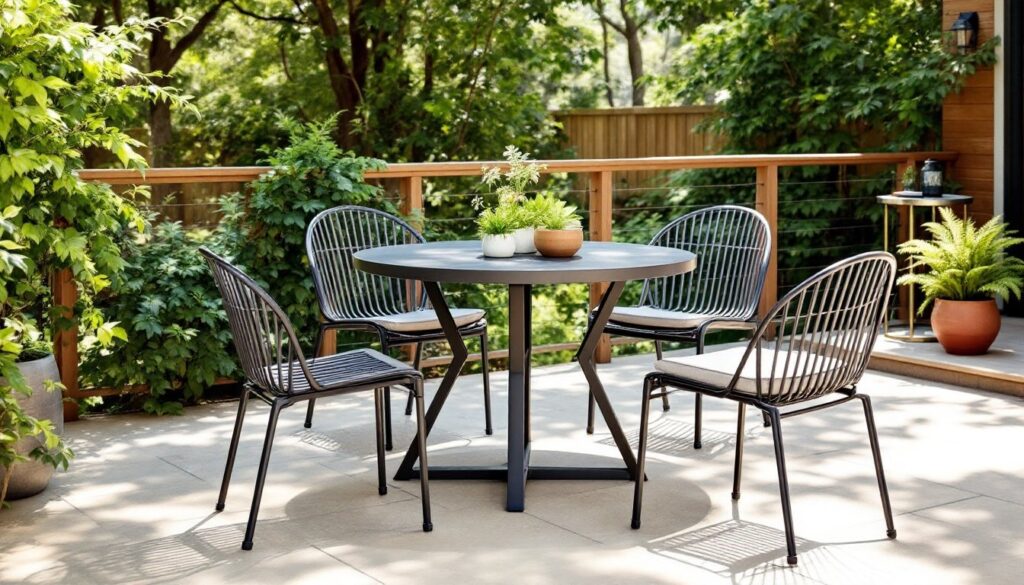
Steel patio furniture has earned its reputation as one of the most durable and versatile materials for outdoor spaces. Unlike plastic that cracks after a few seasons or wood that demands constant sealing, steel stands up to UV exposure, temperature swings, and humidity without falling apart. For homeowners looking to invest in furniture that won’t need replacing every few years, steel offers a practical balance of strength, design flexibility, and longevity. Whether someone’s furnishing a compact balcony or a sprawling deck, understanding the different types of steel and how to maintain them makes all the difference between a good purchase and a great one.
Table of Contents
ToggleKey Takeaways
- Steel patio furniture offers superior durability and weather resistance compared to plastic or wood, resisting UV exposure, temperature fluctuations, and humidity without requiring frequent replacement.
- Powder-coated carbon steel provides the best value for most homeowners, balancing affordability with 5-10 year coating durability when AAMA 2604 standards are met.
- Stainless steel (grade 316) is ideal for coastal or poolside environments due to molybdenum content that resists corrosion from salt and chlorine exposure.
- Regular maintenance—washing every 4-6 weeks, inspecting for damage, and applying automotive paste wax—extends the lifespan of steel patio furniture and prevents rust issues.
- Proper gauge thickness (16-gauge or thicker for frequently used pieces) and correct fastener materials prevent wobbling and galvanic corrosion.
- Account for weight capacity, scale relative to your space, cushion compatibility, and flooring protection when selecting steel outdoor furniture to ensure both comfort and longevity.
Why Choose Steel for Your Patio Furniture?
Steel brings structural advantages that few other materials can match. Its tensile strength allows manufacturers to create slim, elegant profiles without sacrificing stability, think cafe chairs with slender legs that still support 250+ pounds. Unlike aluminum, which dents easily, steel resists impact damage from falling branches, hail, or rowdy gatherings.
Weather resistance depends on the finish, but properly treated steel handles moisture better than many people assume. Powder-coated finishes create a barrier against rust by bonding a protective polymer layer to the metal surface at high temperatures. This coating withstands scratches better than paint and doesn’t peel like traditional spray finishes. Stainless steel takes it further with chromium content (typically 10.5% or higher) that forms a self-healing oxide layer, making it ideal for coastal environments where salt air accelerates corrosion.
Weight is both a pro and a con. Steel furniture stays put during windstorms, no chasing cushions across the yard, but moving a 50-pound steel bench requires commitment. For permanent or semi-permanent setups, that heft translates to stability. For spaces that need frequent rearranging, consider designs with built-in handles or wheels.
Cost varies widely based on material grade and finish quality. Entry-level powder-coated steel dining sets start around $400-$600, while high-end industrial steel pieces with hand-forged details or stainless construction can exceed $2,000. Regional pricing fluctuates, but steel generally sits between resin (cheaper) and teak (pricier).
Types of Steel Patio Furniture to Consider
Not all steel furniture performs the same. Material choice dictates maintenance needs, longevity, and aesthetic.
Wrought Iron vs. Stainless Steel vs. Powder-Coated Steel
Wrought iron isn’t true wrought iron anymore, most “wrought iron” furniture is actually mild steel shaped to mimic the classic scrollwork and ornate designs. It’s heavy (a bistro set can weigh 80+ pounds), durable, and timeless. The catch: untreated mild steel rusts aggressively. Quality pieces come with thick powder coating, but chips expose bare metal that oxidizes quickly. Expect to touch up scratches every year or two with a rust converter and matching paint.
Stainless steel (grades 304 and 316 are common for outdoor use) resists corrosion without coatings. Grade 316 includes molybdenum for extra protection in salty or chlorinated environments, essential for poolside furniture or coastal properties. The look is modern and industrial: clean lines, minimal ornamentation, often with brushed or polished finishes. Maintenance is simple, soap and water, but stainless shows fingerprints and water spots easily. Price runs 30-50% higher than coated steel.
Powder-coated carbon steel offers the best balance for most homeowners. The electrostatic powder process creates a uniform, chip-resistant finish in virtually any color. Quality coatings (look for products meeting AAMA 2604 standards for outdoor durability) last 5-10 years before showing significant wear. Cheaper coatings fade or chalk within 2-3 seasons, especially in high-UV climates. When shopping, ask about coating thickness, premium finishes run 2.5-4 mils thick.
How to Select the Right Steel Patio Furniture for Your Space
Start with weight capacity if the furniture sees regular use. Check manufacturer specs, most steel dining chairs handle 250-300 pounds, but budget models sometimes cut corners with thinner gauge metal. For reference, 16-gauge steel (0.0598″ thick) provides solid stability for chairs: 18-gauge works for occasional-use pieces but may flex under heavier loads.
Consider the frame design relative to your flooring. Furniture with small rubber feet concentrates weight and can crack or scratch concrete, pavers, or composite decking. Look for designs with wider contact points or add furniture glides (½” diameter or larger) to distribute load. For wood decks, avoid bare steel contact, moisture trapped between metal and wood accelerates rot.
Cushion compatibility matters more than it seems. Steel frames with slatted seats or mesh inserts work without cushions, but solid steel seats become uncomfortably hot (120°F+ in direct sun) and cold (matching ambient temps below 50°F). If a design requires cushions for comfort, factor $100-$300 into the budget for weather-resistant replacements every 3-5 years. Some manufacturers now offer metal patio furniture options with integrated heat-dissipating designs that stay cooler in summer.
Scale and proportion trip up a lot of buyers. Measure the space, not just dimensions, but traffic flow. Steel furniture doesn’t compress or tuck like folding resin pieces. A 60″ round table needs a 10′ x 10′ clear area minimum for chair pull-out and circulation. For narrow balconies or small patios, bistro sets (typically 24-30″ diameter tables) or armless chairs save 6-8 inches per seat.
Maintaining and Protecting Your Steel Outdoor Furniture
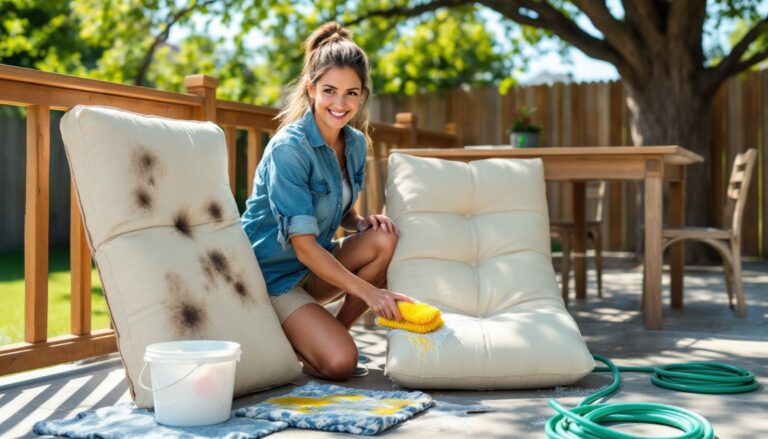
Routine cleaning prevents 90% of problems. Wash steel furniture every 4-6 weeks with mild dish soap and water using a soft-bristle brush or microfiber cloth. Avoid abrasive scrubbers, they scratch powder coating and expose metal. Rinse thoroughly: soap residue attracts dirt and can degrade coatings over time.
Inspect for rust or coating damage twice a year. Small chips or scratches need immediate attention before moisture penetrates. Clean the damaged area with rubbing alcohol, apply a rust-inhibiting primer if bare metal shows, then touch up with matching paint. Many manufacturers sell touch-up kits: alternatively, automotive touch-up paint in a similar color works. For powder-coated pieces, aerosol primer and paint provide better coverage than brush-on products.
Winter storage depends on climate and material. Stainless steel can stay outside year-round, even in harsh conditions. Powder-coated steel benefits from covered storage in areas with freeze-thaw cycles, moisture in micro-cracks expands when frozen, accelerating coating failure. If storage isn’t an option, use breathable furniture covers (avoid plastic tarps that trap condensation) and elevate pieces on blocks to prevent contact with standing water or snow.
Protective coatings extend lifespan. After cleaning, apply a thin layer of automotive paste wax (not spray wax, it doesn’t adhere as well) to powder-coated surfaces. This adds a sacrificial barrier that wears away before the powder coat does. Reapply every 6 months. For stainless steel, specialized stainless cleaners remove water spots and leave a protective film that resists fingerprints.
Don’t skip the hardware. Check bolts, screws, and welds annually. Steel frames handle stress well, but connection points can loosen. Tighten fasteners and inspect welds for cracks, especially on furniture that gets moved frequently. Most hardware uses stainless or zinc-plated fasteners: if replacements are needed, match the material to prevent galvanic corrosion (dissimilar metals in contact can accelerate rust).
Styling Tips: Design Ideas for Steel Patio Furniture
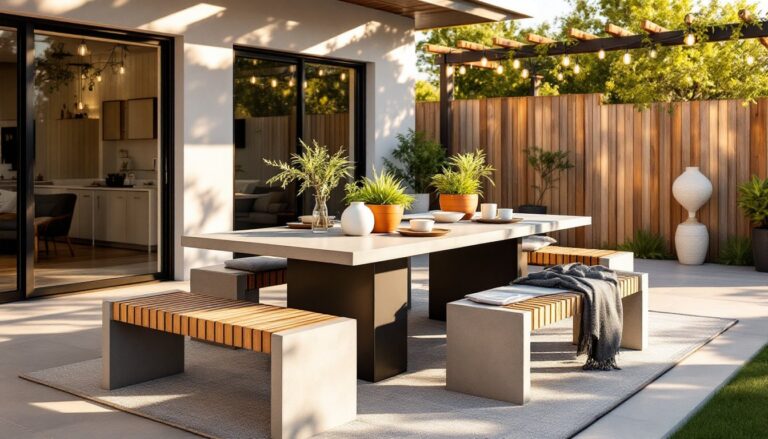
Steel’s industrial edge works across design styles with the right supporting elements. For modern minimalist spaces, stick with stainless or matte black powder-coated pieces. Pair with concrete planters, glass-top tables, and monochrome cushions. Keep ornamentation minimal, the material’s clean lines do the work.
Traditional or cottage settings benefit from ornate “wrought iron” designs with scrollwork or lattice patterns. Soften the metal with floral cushions, layered outdoor rugs, and climbing plants on nearby trellises. This approach works especially well when mixing materials, steel chairs with a wooden table, for instance.
For eclectic or bohemian looks, powder-coated steel in bold colors (teal, coral, mustard) creates focal points without overwhelming the space. Mix finishes and styles deliberately, a vintage steel bistro set with modern planters, or sleek dining chairs with a reclaimed wood table. Layering textures (woven cushions, jute rugs, ceramic accents) prevents the metal from feeling too stark.
Color psychology applies outdoors too. Dark finishes (black, charcoal, bronze) absorb heat and show dust but ground a space visually. Light colors (white, gray, sage) stay cooler and feel more open, ideal for smaller patios. Bright colors add energy but can clash with existing landscaping or home exterior colors, test samples in place before committing.
Beyond furniture itself, sites like Homedit showcase how lighting and accessories complete the look. String lights or lanterns soften steel’s hard edges, while outdoor rugs define seating areas and add comfort underfoot. Plants in steel planters or stands create visual cohesion.
Common Mistakes to Avoid When Buying Steel Patio Furniture
Skipping the warranty check costs people money. Quality manufacturers back powder-coated steel with 1-3 year finish warranties and 5-10 year frame warranties. If a product lacks any warranty or offers less than a year, that’s a red flag about construction quality or coating durability. Read the fine print, some warranties exclude rust, which defeats the purpose for outdoor furniture.
Ignoring gauge thickness leads to wobbly furniture. Thin-wall tubing (20-gauge or thinner) flexes noticeably under normal use and dents easily. For dining sets and frequently used pieces, 16-gauge or thicker provides the stability most people expect. Decorative accent pieces can get away with thinner material.
Overlooking assembly requirements causes frustration. Steel furniture ships flat-packed more often than not. A four-chair dining set can involve 60+ bolts and take 2-3 hours to assemble. If someone’s not comfortable with assembly or lacks the time, factor in $50-$150 for professional setup. Some retailers offer assembly services: others don’t, ask before buying.
Choosing style over function backfires quickly. That intricate scrollwork chair looks beautiful but collects leaves and debris in every crevice, turning cleaning into a chore. Slatted seats without drainage gaps trap water and accelerate rust. Before falling for a design, think about practical use: will cushions slide off those smooth armrests? Can the table be cleaned easily?
Mismatching materials at connection points invites problems. Steel frames with aluminum hardware create galvanic corrosion when moisture is present, the aluminum deteriorates preferentially. Quality furniture uses stainless or plated steel fasteners throughout. This matters less in dry climates but makes a significant difference in humid or coastal areas.
Neglecting initial treatment shortens furniture life. New powder-coated pieces benefit from a coat of paste wax before their first exposure to weather, think of it like sealing a deck. This simple step, taking 20 minutes for a typical dining set, can extend coating life by a year or more.