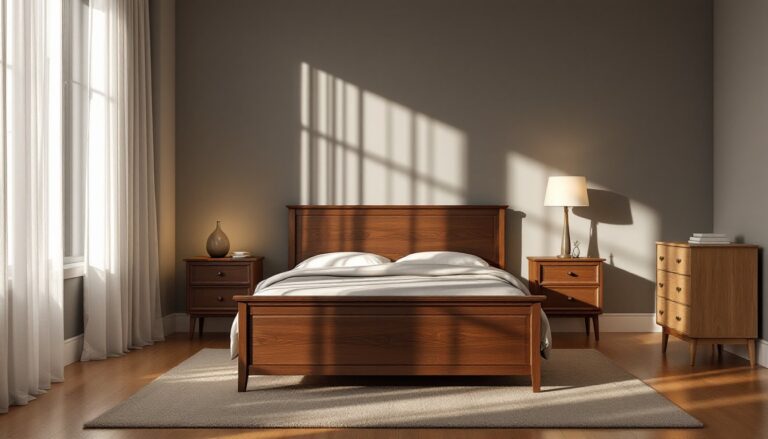
Paula Deen’s furniture lines bring the warmth of Southern hospitality straight into the bedroom. With cottage-inspired silhouettes, distressed finishes, and sturdy wood construction, these pieces blend traditional comfort with everyday practicality. Whether you’re furnishing a guest room, updating a master suite, or looking for bedroom storage that doesn’t feel institutional, Paula Deen’s collections offer accessible options that work in both vintage-leaning and transitional spaces. This guide walks through what sets these pieces apart, how to integrate them into your home, and what to know before you buy.
Table of Contents
ToggleKey Takeaways
- Paula Deen bedroom furniture combines cottage-core aesthetics with functional design, featuring distressed finishes, solid hardwood frames, and traditional details like turned legs and antique-bronze hardware that work in both vintage and transitional spaces.
- Popular collections including Down Home, River House, and Bungalow offer matching bedroom suites with coordinated bed frames, dressers, nightstands, and chests that mix well across lines for customized décor.
- Style Paula Deen furniture with crisp solid-colored bedding, asymmetrical lighting, and neutral wall colors in soft grays or muted greens to balance the traditional aesthetic and avoid a dated appearance.
- Purchase through authorized retailers like Havertys, Belfort Furniture, and online platforms like Wayfair, with white-glove delivery options and seasonal sales offering 20–30% discounts during holidays and long weekends.
- Maintain your pieces by dusting weekly with microfiber cloths, keeping humidity between 40–50%, waxing drawer runners annually, and avoiding direct sunlight to preserve the distressed finish and structural integrity.
What Makes Paula Deen Bedroom Furniture Unique?
Paula Deen furniture stands out for its cottage-core aesthetic mixed with functional design. Most pieces feature distressed painted finishes, think linen white, tobacco, and oatmeal tones, that give off a lived-in, heirloom vibe without requiring decades of actual wear. The construction typically uses solid hardwood frames with engineered wood panels, a middle-ground approach that keeps costs reasonable while maintaining structural integrity.
You’ll find details like turned legs, louvered panels, and antique-bronze hardware that nod to traditional Southern design without tipping into overly ornate territory. Drawer boxes usually include English dovetail joinery at the front and French dovetails at the back, plus center-mounted metal glides, solid mid-range construction that holds up to daily use.
Many collections are licensed through Universal Furniture, a North Carolina manufacturer known for consistent quality control. That means you’re not just buying a celebrity name: you’re getting pieces that meet industry standards for residential furniture. The finishes are catalyzed (pre-sealed), so they resist water rings and surface scratches better than raw wood. If you’re drawn to Southern home design aesthetics but need furniture that functions for modern living, this line bridges that gap effectively.
Popular Paula Deen Bedroom Collections and Styles
The Paula Deen Home Collection
The Paula Deen Home Collection is the flagship line, featuring the widest range of bedroom options. Within this umbrella, you’ll see sub-collections like Down Home, River House, and Bungalow. Each has a slightly different flavor:
- Down Home: Heavy on distressed white and tobacco finishes, with turned posts and slatted headboards. This is the most traditional of the bunch.
- River House: Slightly more relaxed, with weathered finishes and open shelving built into some nightstands and dressers. Good for coastal or cottage interiors.
- Bungalow: Cleaner lines, wire-brushed oak, and a lighter overall feel. Works well in transitional or farmhouse-leaning bedrooms.
Most collections offer matching bedroom suites, bed frame, dresser, mirror, nightstand, and chest, but pieces mix well across lines if you want to combine finishes. The panel beds come in queen, king, and California king, with slat support systems included (no box spring needed). Some poster beds include optional canopy kits for a more dramatic look.
If you’re pursuing a cohesive country-style home aesthetic, these collections provide a strong foundation without requiring custom millwork or vintage hunting.
Key Furniture Pieces to Consider for Your Bedroom
Start with the bed frame. Paula Deen beds typically measure 86–90 inches long and range from 64 inches (queen) to 80 inches (king) wide. Headboards average 54–60 inches tall, so factor that in if you have low ceilings or plan to mount wall sconces. Most frames include a slat roll or wood slat system, so you can skip the box spring and use a low-profile foundation or just a mattress.
Dressers and chests are where the storage capacity shines. A standard nine-drawer dresser (around 66 inches wide) includes felt-lined top drawers for jewelry or delicates, with deeper lower drawers for folded clothes. The chests (five or six drawers, typically 38–42 inches wide) fit well in smaller bedrooms or walk-in closets. Drawer interiors are usually unfinished hardwood or birch veneer, not fancy, but they won’t snag fabrics.
Nightstands come in two main formats: two-drawer closed storage or open-shelf designs with one drawer. The open-shelf versions (popular in the River House line) give you room for stacked books or a charging station without drilling cord management holes. Standard nightstand height is 28–30 inches, which pairs well with most mattress-and-foundation setups.
Don’t overlook the accent benches and upholstered beds. Benches, usually 18 inches tall and 48–54 inches wide, work at the foot of the bed or as extra seating. Upholstered beds feature linen or linen-blend fabric with button tufting and nailhead trim. These add a softer, more layered look than the wood panel beds.
How to Style Paula Deen Furniture in Your Bedroom
Paula Deen pieces lean traditional, so balance them with modern textiles and lighting to avoid a time-capsule feel. Pair a distressed white bed frame with crisp, solid-colored bedding in navy, charcoal, or olive instead of florals or toile. The furniture provides enough visual texture on its own.
If you’re mixing finishes, stick to two wood tones max, say, a tobacco bed frame with oatmeal nightstands. More than that and the room starts to feel like a furniture showroom. Use rugs and window treatments to tie finishes together. A jute or sisal rug grounds the cottage vibe, while linen or cotton curtains in neutral tones soften the hard lines.
For lighting, skip the matching bedroom lamps and opt for asymmetrical fixtures, a swing-arm sconce on one side, a table lamp on the other. This breaks up the symmetry and gives the room a collected, less formulaic look. If you go with a chandelier or ceiling fan, choose something with simple lines (drum shade, Edison bulbs, or matte black metal) rather than ornate crystal or brass.
Wall color matters. Paula Deen furniture pops against soft grays, warm whites, or muted greens, not stark white or builder beige. If you want more contrast, a deep charcoal or navy accent wall behind the bed works, especially with lighter-finished furniture. Avoid heavy curtains or dark bedding in small rooms: the furniture already has visual weight, so keep textiles light and airy.
Many homeowners blend these pieces with Southern home furniture from other makers to build a layered, personalized space without sticking to a single brand.
Where to Buy Paula Deen Bedroom Furniture
Paula Deen furniture is sold through authorized retailers, both online and in brick-and-mortar stores. Major furniture chains like Havertys, Belfort Furniture, and Howell Furniture carry the line, and you’ll often find it at regional independents specializing in American-made or cottage-style furniture.
Online, Wayfair and Overstock stock select pieces, usually with customer reviews and dimensional specs. Buying online gives you more price comparison options, but you lose the ability to see finishes in person, and distressed paint can look very different under showroom lighting versus your bedroom’s natural light. If possible, request finish samples before committing to a full bedroom suite.
Some retailers offer white-glove delivery, which includes room placement, assembly, and box removal. This runs $150–$300 depending on location and number of pieces, but it’s worth it for heavy items like dressers and poster beds. Standard shipping usually means curbside drop-off: you’ll need a hand truck, furniture sliders, and at least one other person to move a king bed frame or nine-drawer dresser safely.
Watch for holiday sales, Presidents Day, Memorial Day, and Labor Day, when discounts hit 20–30% off. Clearance inventory (discontinued finishes or floor models) can go deeper, but availability is hit-or-miss. If you’re flexible on finish, clearance is a solid option.
For design inspiration and room planning tips, HGTV’s bedroom galleries showcase similar furniture styles in finished spaces, which can help you visualize scale and layout before you buy.
Caring for Your Paula Deen Bedroom Furniture
Distressed finishes are forgiving, but they’re not indestructible. Dust weekly with a microfiber cloth, avoid feather dusters, which just push dust around. For deeper cleaning, use a damp (not wet) cloth with a drop of mild dish soap, then dry immediately. Never use all-purpose cleaners or anything with ammonia: they’ll dull the catalyzed finish.
Wood furniture hates extreme humidity swings. Keep bedroom humidity between 40–50% to prevent joints from loosening or veneer from lifting. If you live in a very dry or very humid climate, a small humidifier or dehumidifier can extend the life of your pieces.
Drawers will glide smoother if you wax the runners once a year. Use a paraffin wax block (sold at hardware stores) and rub it along the wood tracks. If drawers stick, check for items jammed in the back or drawer boxes that have shifted out of alignment, common after a move.
For scratches, touch-up markers in matching wood tones (available at furniture stores) camouflage minor dings. Deeper gouges may need a furniture repair pen or wax filler stick. The distressed finish actually helps here, small imperfections blend right in.
Hardware can loosen over time, especially on frequently used drawers. Check screws every six months and tighten with a Phillips-head screwdriver. If a pull feels wobbly, it’s usually the screw stripping the hole, not the hardware itself. Use a toothpick dipped in wood glue to fill the hole, let it dry, then reinsert the screw.
Avoid placing furniture in direct sunlight. UV exposure will fade finishes unevenly, especially on lighter tones. Use window film, curtains, or blinds during peak sun hours if your bedroom faces south or west.