A backyard without shade is a sauna in July. Whether you’re hosting a barbecue or trying to read a book outside without squinting, patio furniture with built-in canopy coverage solves the sun problem without the hassle of freestanding umbrellas or permanent shade structures. Unlike umbrellas that tip in wind or pergolas that require permits and footings, canopy furniture gives you instant, portable shade that moves with your seating. This guide walks through the types, features, placement strategies, and care routines you need to pick and maintain canopy furniture that’ll last seasons, not just one summer.
Table of Contents
ToggleKey Takeaways
- Patio furniture with canopy provides integrated, portable shade that eliminates the need for separate umbrellas or permanent structures while reducing harmful UV radiation by 95–98%.
- Choose canopy furniture types based on your space: swings for social seating, daybeds for lounging on large patios, and loungers for small spaces or balconies.
- Quality canopy fabric should carry a UPF 50+ rating and weigh 8–12 oz. per square yard, with stainless steel hardware and powder-coated steel frames that resist rust and flexing.
- Position canopy furniture on level, stable ground with consideration for sun path, ensuring afternoon shade (1–5 PM) and proper clearance for swing motion and walkways.
- Monthly cleaning with mild soap, regular fabric re-tensioning, lubricated moving parts, and winter storage in cold climates extend canopy furniture lifespan from three years to a decade or more.
Why Choose Patio Furniture with Built-In Canopy Coverage
Built-in canopy furniture eliminates the eternal struggle of wrestling with patio umbrellas every time the wind picks up. The canopy frame attaches directly to the furniture base, creating a stable, integrated shade system that won’t blow into the neighbor’s pool.
Standalone umbrellas require heavy bases (50+ pounds for wind resistance) and separate purchases that add up fast. Canopy furniture bundles shade and seating in one purchase, often at a lower total cost than buying a quality sofa set and commercial-grade umbrella separately. Plus, the canopy fabric is sized and tensioned specifically for the furniture footprint, no gaps, no awkward overhang.
Sun protection matters beyond comfort. According to studies on outdoor exposure, UV-blocking canopy fabrics reduce harmful radiation by 95–98%, making covered seating safer for extended outdoor time. Fabrics rated UPF 50+ block enough UV to let you linger outside without constant sunscreen reapplication.
Canopy furniture also protects the cushions and frame underneath. Direct sun degrades outdoor fabrics and causes fading, especially on darker colors. A canopy acts as a first line of defense, extending the life of your cushions by reducing UV exposure during peak hours.
Finally, the aesthetic is cleaner. Integrated canopies don’t compete visually with your landscaping or deck design the way a forest of umbrella poles might. The furniture reads as one cohesive piece rather than a collection of add-ons.
Types of Canopy Patio Furniture Sets for Every Outdoor Space
Canopy patio furniture comes in several distinct formats. Choosing the right type depends on how you use your outdoor space, lounging, dining, socializing, or solo relaxation.
Canopy Swing Sets and Gliders
Canopy swing sets feature a suspended bench seat hung from an overhead A-frame with a peaked or flat canopy top. Most models seat two to three adults and include chain or rope suspension with a gentle rocking motion. Look for frames made from powder-coated steel (rust-resistant and stable) rather than thin tubular aluminum, which can flex or wobble under weight.
Frame dimensions matter. A quality canopy swing measures roughly 75–85 inches wide, 67–72 inches tall, and 58–65 inches deep. Seat depth should be at least 20 inches to prevent that “perched on the edge” feeling. Many swings include removable, weather-resistant cushions with polyester fill and solution-dyed acrylic or polyester covers.
Check the canopy attachment method. The best designs use tensioned fabric stretched over a rigid frame with corner grommets and bungee or Velcro anchors. Cheaper models drape fabric loosely, which sags after a season and collects water.
Glider-style canopy furniture sits on a fixed base with a gliding mechanism instead of chains. Gliders tend to feel more stable and are better for smaller patios where a full swing arc might feel cramped. They’re also easier to anchor on composite decking, which doesn’t always handle chain tension well.
Daybed and Lounger Canopy Options
Canopy daybeds are essentially outdoor couches with a retractable or fixed canopy overhead. These work well on large patios, pool decks, or flat yards where you want a dedicated lounging zone. Daybeds typically measure 75–85 inches long by 55–70 inches wide, sized for two adults or one adult stretched out with space to spare.
Most daybeds feature a resin wicker or rattan frame over a powder-coated aluminum skeleton. Wicker is lighter and easier to move than solid wood or wrought iron, but check the weave density, loose, thin wicker degrades faster and looks cheap. Quality resin wicker should feel firm and have minimal flex when pressed.
The canopy mechanism varies. Retractable canopies slide on tracks or pivot on hinges, letting you adjust shade coverage throughout the day. Fixed canopies stay put but often have a cleaner look and fewer moving parts to maintain or break. If you go retractable, test the mechanism in-store, it should glide smoothly without binding or requiring two hands.
Some daybeds convert into sectional seating by folding the backrest or splitting into modular pieces. This versatility is useful if you host frequently and need flexible seating layouts.
Lounger-style canopy furniture (also called chaise canopies) is a single-seat option for solo sunbathing or reading. These typically have an adjustable backrest with 3–5 recline positions and a small canopy that pivots or folds. Loungers are narrower (24–30 inches wide) and work on balconies or small patios where a swing or daybed won’t fit. They’re also easier to store in a garage or shed during winter.
Key Features to Look for When Shopping
Not all canopy furniture is built to the same standard. Here’s what separates a season from a decade.
Frame material and joint construction: Steel frames should be powder-coated and have welded joints, not bolted or riveted corners that loosen over time. Aluminum frames are lighter and naturally rust-resistant but must be thick-gauge (at least 1.5mm wall thickness) to avoid flex. Inspect corners and stress points, look for reinforcement plates or double-wall tubing.
Canopy fabric rating: Outdoor canopy fabric should carry a UPF 50+ rating and be water-resistant (not just water-repellent). Common fabrics include solution-dyed polyester, acrylic canvas (heavier, more durable), and polyethylene blends (budget-friendly but less breathable). Fabric weight is listed in ounces per square yard: anything under 5 oz. feels flimsy. Good canopy fabric weighs 8–12 oz. and includes UV inhibitors woven into the fiber, not just surface-coated.
Canopy frame and tension system: The canopy should stretch taut across a rigid frame, either a bent steel tube or articulating arms. Avoid designs where fabric simply drapes over the top rail with no tensioning. Look for corner grommets, adjustable straps, or spring-loaded clips that keep fabric tight even after seasons of sun exposure.
Hardware quality: Stainless steel bolts, brackets, and fasteners resist rust far better than zinc-plated or plain steel. Check that nuts have lock washers or nylon inserts to prevent loosening. If the furniture uses plastic clips or connectors in high-stress areas (like where the canopy frame attaches to the seat), that’s a red flag for durability.
Cushion construction: Outdoor cushions should have quick-dry foam cores (not regular polyurethane foam, which stays soggy) wrapped in polyester batting, with covers made from solution-dyed acrylic or polyester. Zippers should be corrosion-resistant (plastic or coated metal). Cushions without removable covers are harder to clean and dry.
Adjustability: Canopies with tilt or height adjustment let you follow the sun’s angle throughout the day. Reclining seats and swivel bases add comfort. These features increase cost but also usability, especially in yards where the sun path changes seasonally.
Weight capacity: Swings and gliders should list a weight capacity of at least 500 pounds for a two-seat model, 750+ for three seats. Daybeds should handle 600–800 pounds. If the manufacturer doesn’t publish a weight limit, that’s a warning sign.
How to Style and Place Your Canopy Furniture
Placement affects both comfort and longevity. Here’s how to position canopy furniture for maximum use and minimum wear.
Choose stable, level ground. Swings and gliders need a flat surface to prevent uneven weight distribution that can bend frames. Concrete patios, pavers, and composite decking all work. Grass and gravel are riskier, grass invites moisture and insects, while gravel shifts and can abrade frame feet. If placing on grass, use patio stones or rubber pads under each leg.
Orient for sun path. In the Northern Hemisphere, the sun tracks from east to south to west. Position your canopy furniture so the canopy blocks afternoon sun (typically the hottest hours, 1–5 PM). For morning shade, face the canopy east. Adjustable or pivoting canopies give you flexibility, but fixed canopies require thoughtful placement.
Leave clearance behind swings. A canopy swing needs 24–30 inches of clearance behind the seat for the full arc of motion. Measure from the back of the seat at rest to the nearest wall, railing, or planter. Gliders need less (12–18 inches) since the motion is front-to-back, not a full swing.
Anchor if needed. On windy sites or elevated decks, consider anchoring the furniture. Some models include ground stakes or mounting brackets. For decking, you can use deck anchors (L-brackets that fasten to joists) or tie-downs with ratchet straps. Don’t rely on furniture weight alone if you’re in a region with frequent gusts over 25 mph.
Coordinate with existing outdoor elements. Canopy furniture works well near budget-friendly patio setups that emphasize comfort without excess. Place a small side table within arm’s reach for drinks or books, most canopy furniture doesn’t include built-in tables. Outdoor rugs help define the seating zone and reduce debris tracked onto cushions.
Scale matters. A large canopy daybed can overwhelm a small 10×10-foot patio. Measure your space and leave at least 30 inches of walking clearance on all sides. For reference, a three-seat canopy swing occupies roughly 7 feet wide by 5.5 feet deep: a daybed takes up about 7 feet by 6 feet.
Lighting and accessories. String lights or solar lanterns hung from the canopy frame (if the structure allows) extend usability into evening hours. Add outdoor throw pillows in complementary colors for extra comfort. Avoid hanging heavy planters or décor from canopy frames not rated for additional load.
Maintenance Tips to Extend the Life of Your Canopy Furniture
Canopy furniture requires more attention than a simple bistro set, but the effort pays off in years of use.
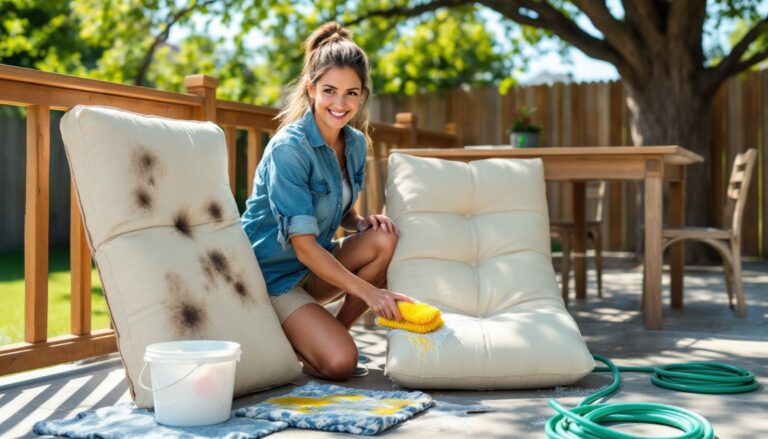
Clean canopy fabric monthly during use season. Most canopy fabrics tolerate mild soap and water. Mix a solution of 2 tablespoons dish soap per gallon of lukewarm water, scrub gently with a soft brush, and rinse thoroughly with a garden hose. Let the canopy air-dry fully before folding or storing. Don’t use bleach or harsh detergents, they break down UV inhibitors and fade colors.
Inspect and re-tension fabric. Outdoor fabrics stretch slightly over time. Check corner grommets and attachment points every few months. If fabric sags or flaps in wind, adjust tensioning straps or replace worn bungee cords. Loose fabric accelerates wear because it rubs against the frame.
Lubricate moving parts. Swing chains, glider tracks, and pivot hinges benefit from a light spray of silicone lubricant (not WD-40, which attracts dust and gums up). Do this twice per season, once in late spring, once in late summer. Wipe off excess to prevent drips on cushions.
Remove and store cushions during heavy rain. Quick-dry foam helps, but prolonged soaking still invites mildew. If rain is forecast, bring cushions indoors or store in a deck box. If cushions do get wet, stand them on edge in a sunny spot to speed drying. Never store damp cushions in sealed bags.
Winterize in cold climates. If you live where temperatures drop below freezing regularly, disassemble or cover your canopy furniture. Remove the canopy fabric, shake out debris, clean it, and store flat in a dry space (not folded tightly, which creases fabric and stresses seams). Covers should be breathable (canvas or polyester with vents), not vinyl, which traps condensation.
For furniture left outdoors year-round, inspect frames in early spring for rust spots, especially around welds and fasteners. Sand light rust with fine-grit sandpaper, wipe clean, and touch up with rust-inhibiting spray paint matched to your frame color.
Check hardware annually. Tighten bolts and screws at the start of each season. Inspect welds for cracks (rare, but worth checking on heavily used swings). Replace any corroded or bent fasteners immediately, hardware failure is the #1 cause of canopy furniture collapse.
Protect from tree sap and pollen. If placing furniture under trees, know that sap, pollen, and bird droppings will accumulate on the canopy. Clean these off promptly: sap hardens and becomes difficult to remove, and bird droppings are acidic enough to degrade fabric coatings. A weekly hose-down during pollen season prevents buildup.
Rotate cushions. Flip and rotate seat and back cushions every few weeks to ensure even wear and fading. This also helps foam retain its shape.
Finally, if you’ve invested in outdoor furniture that transforms your space, regular care ensures it continues to deliver comfort season after season. Neglected canopy furniture degrades fast, but attentive maintenance can stretch lifespan from three years to ten or more.
For those interested in adding permanent canopy structures alongside furniture, pergola kits with integrated canopies offer another layer of shade and design flexibility.