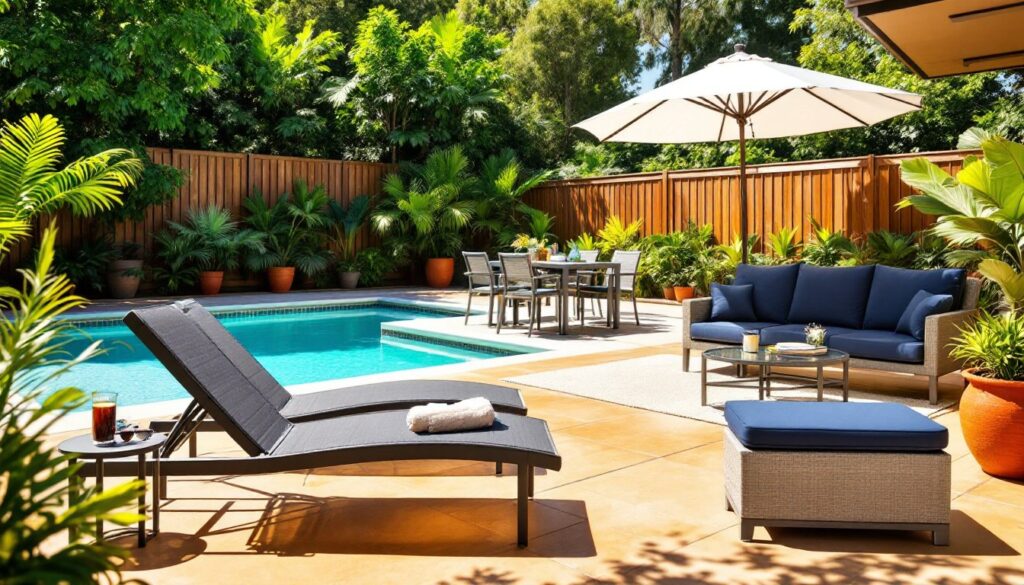
A pool deck without the right furniture is just concrete and chlorine. Good poolside furniture transforms that utilitarian space into something you’ll actually use, a place to dry off after laps, nurse a cold drink, or grill burgers on a Saturday afternoon. But choosing patio furniture for a pool area isn’t the same as furnishing a standard deck. Constant moisture, UV exposure, and splashes of chlorinated water will destroy standard outdoor pieces in a few seasons if they’re not built for it. This guide covers materials that hold up, essential furniture types, design considerations, and the maintenance routines that’ll keep your poolside setup looking sharp year after year.
Table of Contents
ToggleKey Takeaways
- Invest in durable patio furniture for pool areas designed specifically for moisture, UV exposure, and chlorine—materials like resin wicker, marine-grade polymer, and powder-coated aluminum resist damage far better than standard outdoor furniture.
- Essential patio furniture for pool spaces includes chaise lounges with quick-dry fabrics, side tables with slatted tops for drainage, dining sets with aluminum or polymer tabletops, and heavy shade structures to extend usable deck hours.
- Chlorine, sunscreen, and humidity require weekly maintenance including rinsing and mild soap cleaning to prevent corrosion and mildew, plus monthly hardware inspections and seasonal deep-cleaning of cushions.
- Choose pool patio furniture styles that match your home’s aesthetic—modern designs work with aluminum frames and monochromatic colors, while tropical themes pair well with resin wicker and bright cushion patterns.
- Avoid natural wood, wrought iron, steel, and natural fiber wicker near pools, as they warp, rot, rust, or deteriorate quickly despite being labeled ‘outdoor’ furniture.
- Proper storage, off-season maintenance, and routine care extending just 15–30 minutes weekly can keep quality poolside furniture functional and attractive for a decade or longer, saving replacement costs.
Why Choosing the Right Pool Patio Furniture Matters
Pool environments are brutal on furniture. Between splashing water, high humidity, blazing sun, and chemicals, anything not designed for the task will fade, rust, rot, or crack within a season or two. Standard wood furniture swells and warps. Steel frames corrode. Cushions mildew.
The right materials resist these elements without constant upkeep. They’re also lighter to move when you need to clean the deck or winterize, and they dry quickly after rain or a cannonball-induced wave. Beyond durability, pool furniture needs to be safe, no sharp edges, stable enough that wind won’t send a chair into the deep end, and finishes that don’t heat up enough to blister skin in direct sun.
If your pool gets heavy use, especially with kids, furniture should be easy to hose down and resistant to sunscreen, food, and drink stains. Poor choices mean you’re replacing or refinishing furniture every couple of years instead of relaxing poolside. Upfront investment in the right pieces pays off in longevity and lower maintenance.
Best Materials for Poolside Patio Furniture
Not all “outdoor” furniture can handle a pool deck. Here’s what actually works in continuous wet, sunny conditions.
Weather-Resistant and Water-Friendly Options
Resin wicker (also called all-weather wicker or synthetic rattan) is polyethylene or PVC strands woven over an aluminum frame. It mimics natural wicker but won’t rot or fade. Look for UV-resistant resin and aluminum (not steel) frames. Avoid natural rattan, it’ll fall apart in a season. Resin wicker is lightweight, stacks or nests for storage, and dries fast. It’s a solid choice for poolside seating that looks upscale without the upkeep.
Marine-grade polymer or recycled plastic lumber (brands like Polywood use HDPE) resists moisture, sun, salt, and chlorine. It’s heavy, which helps with wind stability, and requires almost zero maintenance, no sealing, painting, or staining. The aesthetic is casual rather than formal. Colors won’t fade for years, and it won’t splinter or crack. Downsides: higher upfront cost and limited style range compared to metal or wood.
Powder-coated aluminum frames are rust-proof and lightweight. Powder coating is a baked-on finish that resists chipping better than paint. Aluminum doesn’t get as hot as steel in direct sun, though it still heats up, consider sling fabric or mesh seats instead of solid metal. Aluminum is easy to move, stores compactly, and pairs well with quick-dry cushions for loungers or dining chairs.
Teak and eucalyptus can work poolside if you’re willing to maintain them. Teak has natural oils that resist moisture and insects, but untreated teak will silver over time (which some prefer). Expect to clean and oil it annually. Eucalyptus is more affordable but requires the same upkeep. Both are heavy and stable. Skip softwoods like pine, they’ll warp and rot quickly around a pool.
Stainless steel (marine-grade 316) is the only steel that won’t rust in a pool environment. Standard stainless or powder-coated steel will corrode, especially if exposed to saltwater or salt-based pool systems. Marine-grade stainless costs significantly more, but it’s nearly indestructible and suits modern or commercial-style designs.
Avoid wrought iron, untreated wood, and natural fiber cushions or wicker. They’re not built for the moisture and chemicals.
Essential Furniture Pieces for Your Pool Area
What you need depends on how you use the pool. A lap swimmer needs less than a family that entertains every weekend. Start with the must-haves and add from there.
Loungers, Dining Sets, and Shade Solutions
Chaise lounges are the anchor of any pool deck. Look for adjustable backs (usually 4–5 positions), wheels on the back legs for easy repositioning, and sling or mesh fabric that dries quickly. Cushions add comfort but require storage when not in use or quick-dry foam cores wrapped in solution-dyed acrylic fabric (Sunbrella is the standard). Budget two loungers per frequent user, people will claim them.
Side tables or drink holders are essential. Built-in cup holders on loungers help, but a small side table (12″–18″ diameter) per lounger gives space for sunscreen, phones, books, and snacks. Choose tables with slatted tops so water drains rather than pooling.
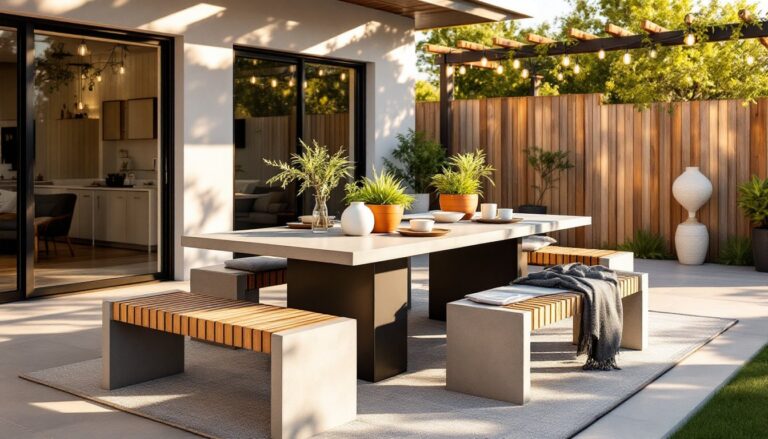
Dining sets make sense if you grill or eat poolside. A table for 4–6 with an umbrella hole and matching chairs is standard. Skip glass tabletops near pools, they shatter if a diving board or pool toy makes contact. Aluminum or polymer tabletops are safer. If space is tight, a bar-height table with stools tucks into corners better than a full dining set.
Shade structures extend usable hours. A cantilever umbrella (offset umbrella) shades loungers without a center pole getting in the way. Bases need to be heavy, at least 75 pounds or anchored to the deck, or wind will topple them. Cantilever umbrellas range from 9 to 13 feet in diameter. Alternatively, a fixed shade sail or pergola with retractable canopy provides permanent coverage. Shade sails require professional installation with anchor points rated for tension loads: consult local building codes for wind and snow load requirements.
Storage benches or deck boxes keep pool toys, towels, and cushions dry and organized. Choose waterproof resin or polymer construction with lockable lids if you have young kids or need to secure pool chemicals. A 120-gallon box holds cushions for 4–6 chairs.
Outdoor rugs define seating zones and add comfort underfoot, but only use rugs designed for wet areas, polypropylene or recycled PET that resist mold and dry fast. Avoid natural fiber rugs like jute.
Style and Design Ideas for Pool Patio Furniture
Pool furniture should match the home’s exterior style and the pool’s design, but it also needs to handle the practical realities of a wet, sunny environment.
Modern or contemporary pools (clean lines, geometric shapes, often with tile or concrete finishes) pair well with aluminum or stainless steel frames, low-profile loungers, and monochromatic cushions in gray, navy, or white. Cantilevered umbrellas and minimalist side tables reinforce the look. Keep accessories and decor restrained, less is more.
Tropical or resort-style pools work with resin wicker, teak dining sets, and bright cushion colors or patterns. Add potted palms, outdoor poufs, and layered rugs for a vacation vibe. String lights or lanterns soften the space at night. A tiki bar or outdoor kitchen fits this aesthetic if you have the space and budget.
Traditional or cottage-style pools look right with painted or stained wood furniture (if you’re up for the maintenance), Adirondack chairs, or vintage-inspired metal rockers. Cushions in stripes, florals, or classic solids work here. A dining table with an umbrella and coordinating chairs keeps it cohesive.
For design inspiration and layout ideas, consider traffic flow around the pool. Leave at least 3–4 feet of clearance on all sides for safe movement, especially near diving boards or pool entries. Position loungers to face the sun during peak swimming hours, and angle dining sets to catch shade or views.
Don’t over-furnish. A cluttered pool deck feels cramped and increases the chance of someone tripping into the water. Scale furniture to the deck size, oversized pieces overwhelm a small area, and undersized pieces look lost on a large deck.
Maintenance Tips to Keep Your Poolside Furniture Looking New
Even durable materials need routine care to stay functional and attractive. Neglect them, and you’ll be shopping for clearance replacements sooner than you’d like.
Weekly during pool season:
- Hose down all furniture to remove chlorine, sunscreen, and dirt. Chlorine is corrosive over time, even on resistant materials.
- Wipe down tabletops and armrests with a mild soap solution (dish soap works) and rinse thoroughly.
- Shake out or hose off cushions. Let them dry fully in the sun, mildew grows fast in damp fabric.
Monthly:
- Inspect aluminum frames for loose screws or joints. Tighten hardware as needed.
- Check resin wicker for cracked or fraying strands. Small damage spreads quickly: patch with matching resin cord or replace the piece.
- Rinse umbrella fabric and check the crank mechanism. Lubricate moving parts with silicone spray (not WD-40, which attracts dust).
Seasonally or as needed:
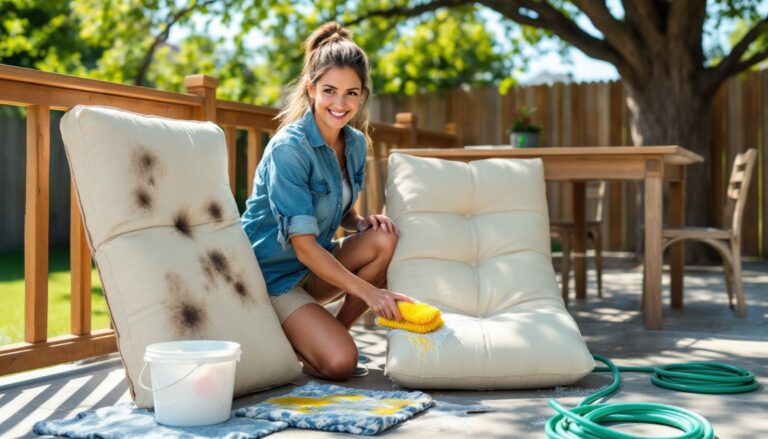
- Deep-clean cushions: remove covers (if removable) and machine wash in cold water. If covers aren’t removable, scrub with a soft brush, mild detergent, and rinse. Air dry completely.
- For teak or wood furniture, clean with a teak cleaner or a mix of oxygen bleach and water, then apply teak oil or sealer if you want to maintain the original color. Unsealed teak weathers to gray.
- Inspect umbrella and shade sail stitching and anchor points for wear. High winds stress these areas.
- Store cushions, umbrellas, and lightweight furniture indoors or in a weatherproof storage box if you’re in a region with freezing winters. Polymer and aluminum can stay out year-round, but removing cushions prevents mildew and extends their life.
Dealing with stains and mildew:
- Sunscreen and body oils: Blot fresh stains immediately, then wash cushions with dish soap and warm water.
- Mildew on fabric: Mix 1 cup bleach per gallon of water (test on a hidden spot first), scrub, rinse thoroughly. For mildew-resistant fabrics like Sunbrella, this won’t damage the material.
- Rust spots (from metal furniture or pool equipment): Use a rust remover safe for the material, or a paste of baking soda and water for light surface rust on aluminum.
Safety note: Always wear gloves when handling pool chemicals, cleaning solutions, or power-washing furniture. Use eye protection if you’re scrubbing overhead (like umbrella fabric). Keep furniture at least 3 feet from grills or fire pits, even “fireproof” materials can melt or discolor from high heat.
Routine care takes 15–30 minutes a week during pool season and extends the life of your furniture by years. It’s cheaper than replacing pieces every few seasons, and your pool deck will look better for guests and daily use. If furniture is properly maintained and stored off-season, quality poolside pieces can last a decade or more.