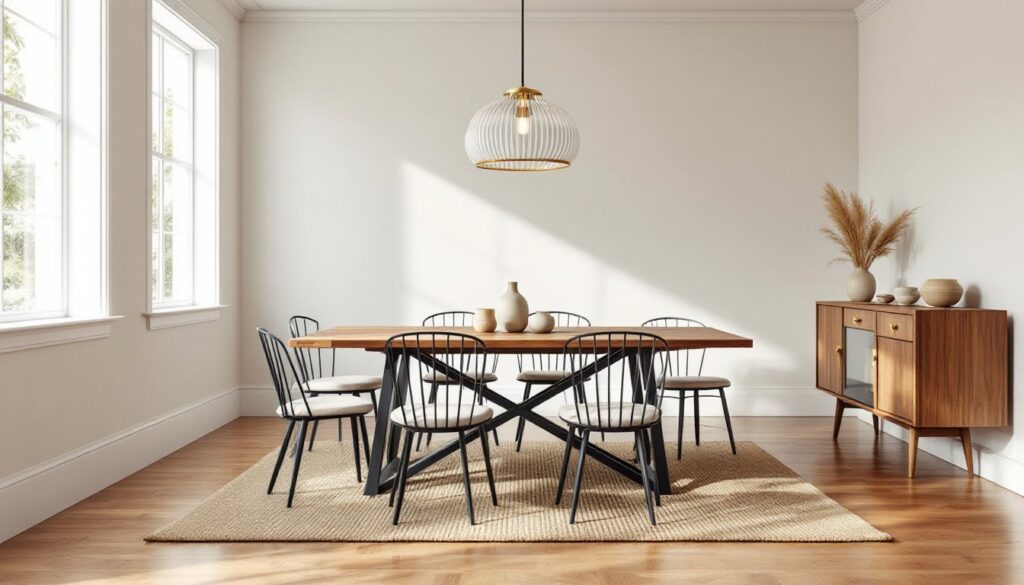
Modern dining room furniture has evolved far beyond sleek chrome legs and glass tabletops. Today’s options blend clean lines with genuine functionality, using materials that stand up to daily use while keeping a contemporary edge. Whether you’re outfitting a dedicated dining room or a multi-purpose eat-in kitchen, the right furniture choices affect how you use the space for decades. This guide breaks down what defines modern design in 2026, how to select pieces that work for your household, and practical tips for assembling a cohesive dining area that doesn’t sacrifice comfort for style.
Table of Contents
ToggleKey Takeaways
- Modern dining room furniture prioritizes clean lines, minimal ornamentation, and material honesty, with warm tones and mixed materials replacing the stark minimalism of previous decades.
- Choose table size by subtracting 6 feet from your room’s measurements to allow chairs to pull out freely; a 6-foot table seats six comfortably while round tables encourage conversation but sacrifice seating capacity.
- Quality upholstered chairs with foam density of 1.8 lb/ft³ or higher and removable covers offer superior comfort and longevity compared to hard molded designs, especially for dinners longer than an hour.
- Sideboards and buffets with adjustable shelving, soft-close hardware, and durable finishes double as serving surfaces and concealed storage in modern dining rooms, with depths of 18–24 inches accommodating most dishware.
- Create cohesion by repeating one material across pieces, limiting metal finishes to two maximum, and aligning on a consistent era within modern design rather than mixing mid-century with ultra-contemporary styles.
- A well-chosen modern dining room furniture setup serves you for decades; prioritize actual fit, comfort testing, and maintenance tolerance over showroom aesthetics by measuring twice and avoiding complete matched sets.
What Defines Modern Dining Room Furniture?
Modern furniture design isn’t a single look, it’s a set of principles. Clean, geometric forms dominate. Ornamentation is minimal or absent entirely. Exposed joinery, tapered legs, and floating elements create visual lightness instead of the heavy, carved pieces common in traditional styles.
Material honesty plays a big role. Wood grain stays visible under matte or low-sheen finishes rather than being buried under thick lacquer. Metal bases show welds or raw edges. Upholstery tends toward solid fabrics or subtle textures, not florals or damask patterns.
Functionality drives form. Extendable tables include leaf mechanisms that don’t require wrestling with separate boards. Chair backs curve to support lumbar regions without extra cushions. Storage units offer adjustable shelving instead of fixed compartments. Every element should justify its presence.
Mid-century modern remains a strong influence, but 2026 trends lean toward warmer tones and mixed materials. The stark white-and-black minimalism of the 2010s has softened. Walnut, oak, and even reclaimed wood pair with powder-coated steel or brass accents. Textured finishes, wire-brushed wood, hammered metal, ribbed glass, add depth without pattern overload.
Choosing the Perfect Modern Dining Table
Table size dictates room flow. Measure your space and subtract 6 feet (3 feet per side) to allow chairs to pull out without hitting walls or blocking pathways. A 6-foot rectangular table seats six comfortably: 8 feet accommodates eight. Round tables work well in square rooms and encourage conversation, but they sacrifice seating capacity, a 48-inch round seats four, while a 60-inch round fits six if you don’t mind some elbow proximity.
Base design affects legroom and aesthetics. Pedestal bases provide unobstructed seating but can wobble if not properly weighted, look for cast iron or solid hardwood cores. Trestle bases offer stability and a farmhouse-modern hybrid look. Four-leg tables are classic and sturdy but can crowd corner seats. Cross-leg or geometric bases make bold statements but verify actual knee clearance: photos lie.
Height matters. Standard dining tables sit at 29–30 inches, pairing with chairs that measure 17–18 inches from floor to seat. Counter-height tables (34–36 inches) work in casual settings but limit chair options and may not suit households with kids or shorter adults.
Materials and Finishes That Make a Statement
Solid wood tables age gracefully but require maintenance. Walnut and white oak top the modern aesthetic charts. Expect to refinish high-traffic surfaces every 5–7 years if you skip placemats and coasters. Catalyzed or conversion varnish finishes resist water and heat better than traditional polyurethane, ask manufacturers about their topcoat specs.
Engineered wood (plywood, MDF with veneer) keeps costs down and resists warping in humid climates. Quality veneer work is nearly indistinguishable from solid wood, but edge details give it away. Look for solid-wood edge banding at least 1 inch thick to avoid delamination.
Metal and glass combinations stay popular for industrial-modern schemes. Tempered glass tops should be at least ½ inch thick for durability. Powder-coated steel bases resist corrosion better than painted finishes. Stainless steel shows fingerprints and scratches, brushed finishes hide both better than polished.
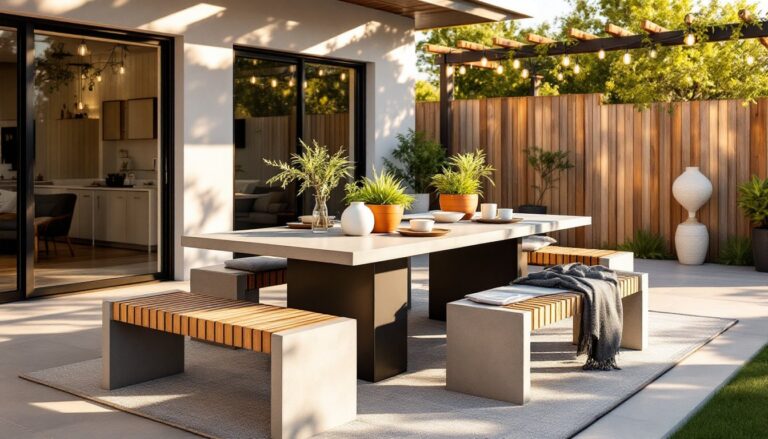
Concrete, stone, and composite surfaces deliver serious visual weight. Verify your floor can handle it, concrete tables often exceed 300 pounds. Sealed properly, they resist stains and heat, but acidic foods (citrus, vinegar) can etch surfaces even through sealant. Some homeowners embrace the patina: others don’t. Choose accordingly.
Extension mechanisms range from drop-in leaves (store separately, risk loss) to butterfly leaves (fold inside, add weight and cost). Self-storing leaves beat hunting in the garage for that extra board every Thanksgiving. Test the mechanism in-store, if it binds or requires two people to operate, it won’t get used.
Modern Dining Chairs: Comfort Meets Contemporary Design
Seating makes or breaks a dining room’s usability. Chairs get pulled out, shoved in, sat on hard, and occasionally used as step stools (don’t, but we all do). Modern designs often prioritize looks over comfort, test before buying.
Molded plywood chairs like the iconic Eames DCW offer sculptural appeal and decent ergonomics for short meals. For dinners stretching past an hour, they’re less forgiving. Adding seat cushions helps but changes the aesthetic.
Metal and wire chairs bring industrial flair but demand cushions unless you enjoy numb tailbones. Powder-coated finishes chip at contact points, inspect welds and joints for sharp edges before purchase, especially in households with kids.
Upholstered chairs add comfort and sound dampening (hard surfaces echo). Performance fabrics like polyester blends or treated linen resist stains better than natural fibers. Removable, washable covers beat built-in upholstery for longevity. Foam density matters, 1.8 lb/ft³ or higher maintains shape: cheaper foam collapses within two years.
Bench seating maximizes capacity and suits modern minimalism, but it’s less comfortable for long sits and awkward for end seats. Pair with a few chairs for flexibility.
Armless chairs tuck under tables cleanly and suit smaller spaces. Armchairs at table ends add formality but need extra clearance, 24 inches from armrest to armrest is the minimum comfortable spacing.
Mixing chair styles works if you maintain a common element: same finish color, matching leg style, or coordinating upholstery. Two different chairs alternated around the table creates intentional contrast. Four different styles looks accidental unless you’re exceptionally skilled at curation.
Don’t skip the weight test. Chairs under 10 pounds tip easily and feel flimsy. Solid wood or metal-framed chairs in the 15–20 pound range balance stability with maneuverability.
Storage Solutions: Sideboards, Buffets, and Display Cabinets
Modern dining rooms benefit from dedicated storage, especially in open-plan homes where clutter stays visible. Sideboards and buffets serve double duty as serving surfaces and concealed storage.
Sideboards typically measure 30–36 inches tall, low enough to preserve sightlines in open layouts, high enough for useful cabinet space. Look for adjustable shelving inside: fixed shelves waste vertical space with small items. Soft-close hinges and drawer glides cost more upfront but eliminate the daily bang of closing doors and prevent hardware failure.
Top surfaces should handle heat if you’re placing serving dishes directly on them. Solid wood, stone, or laminate over MDF cores work: thin veneer will blister. If the piece doubles as a bar, verify the finish resists alcohol, some water-based polyurethanes cloud with repeated spirit spills.
Buffets are essentially taller sideboards (36–42 inches), sometimes with hutch tops. Glass-front upper cabinets display dishes but also display dust, plan to clean them. Open shelving looks airy but requires curated contents: everyday dish stacks rarely photograph well. Some contemporary storage solutions incorporate cable management cutouts for charging stations or small appliances.
Credenzas sit lower (24–30 inches) and work well under windows or as room dividers in open plans. Scandinavian-modern credenzas often feature sliding doors and tapered legs for that signature mid-century look.
Material choices echo table selections: walnut and oak for warmth, lacquered MDF for high-gloss minimalism, metal and glass for industrial edge. Mixing materials, a wood body with metal legs or handles, adds visual interest without busy patterns.
Consider depth carefully. Standard sideboards run 18–20 inches deep, which holds dinner plates and glassware but not large serving platters. If you store oversized items, look for 22–24 inch depths.
Freestanding units offer flexibility to rearrange or take when moving. Built-ins maximize space in awkward alcoves but require more investment and potentially a carpenter or skilled DIYer comfortable with scribing and shimming for level installation.
How to Mix and Match Modern Dining Furniture
Cohesive doesn’t mean identical. Successful modern dining rooms balance repetition and variety using a few reliable strategies.
Repeat one material across pieces. If the table is walnut, echo walnut in sideboard fronts or chair arms. This creates visual thread without matching finishes exactly, a wire-brushed walnut table pairs fine with smooth walnut drawer fronts.
Coordinate metal finishes. Mixing metals is acceptable (brass hardware on a steel-legged table), but limit yourself to two finishes maximum. Three or more reads as accidental.
Align on era or style within modern. Mid-century pieces (tapered legs, organic curves) clash with ultra-contemporary designs (geometric angles, monochrome palettes). Scandinavian modern (light woods, simple forms) blends more easily across pieces than industrial modern (raw metal, reclaimed wood).
Use color sparingly. Modern palettes trend neutral, whites, grays, blacks, natural wood tones. Upholstered chair seats or a single accent cabinet in deep green or terracotta can anchor the room without overwhelming it. Inspiration from design-focused platforms often showcases restrained color application.
Play with scale, not style. A large dining table balances a substantial sideboard. Delicate wire chairs pair awkwardly with chunky farmhouse tables. Keep visual weight proportional.
Consider the room’s architecture. Modern furniture in a century-old home with crown molding and wainscoting creates intentional contrast, it can work, but requires commitment. In a newer open-plan space with clean drywall and minimal trim, modern pieces feel native.
When shopping across different retailers or mixing vintage with new, bring photos and room measurements. Many stores offer layout planning tools: use them. A piece that photographs beautifully in a white-box showroom may overwhelm a 12×14 dining area.
Layering textures compensates for modern’s minimal ornamentation. A smooth wood table, linen-upholstered chairs, a jute rug, and ribbed glass cabinet doors provide tactile variety without pattern clutter. For more detailed examples of modern furniture layouts, professional photography highlights these subtle material plays.
Finally, leave room to grow. Buying a complete matched set locks you in. Starting with a strong table and adding chairs, storage, and accents over time lets you adjust as your taste and household evolve. Modern design’s emphasis on timeless forms means pieces bought years apart can still coexist if you stick to core principles.
Conclusion
Modern dining furniture thrives on simplicity, quality materials, and intentional design choices. Prioritize pieces that fit your actual space and usage patterns rather than chasing showroom aesthetics. Measure twice, test comfort in person, verify materials and finishes match your maintenance tolerance, and don’t rush the process. A well-chosen dining setup serves you for decades, far longer than the trends that inspired it.