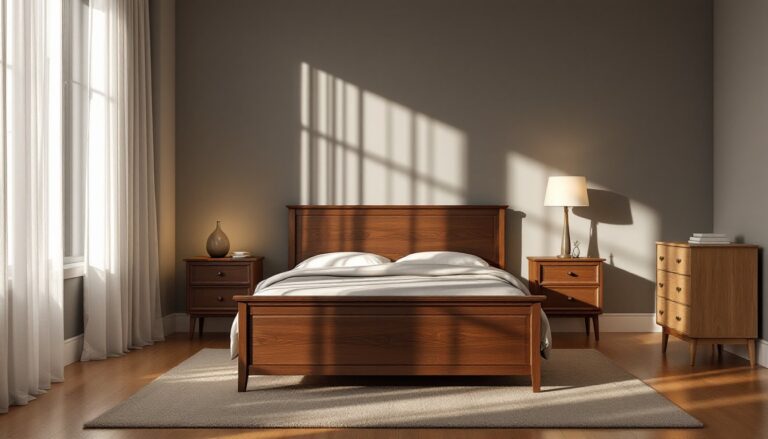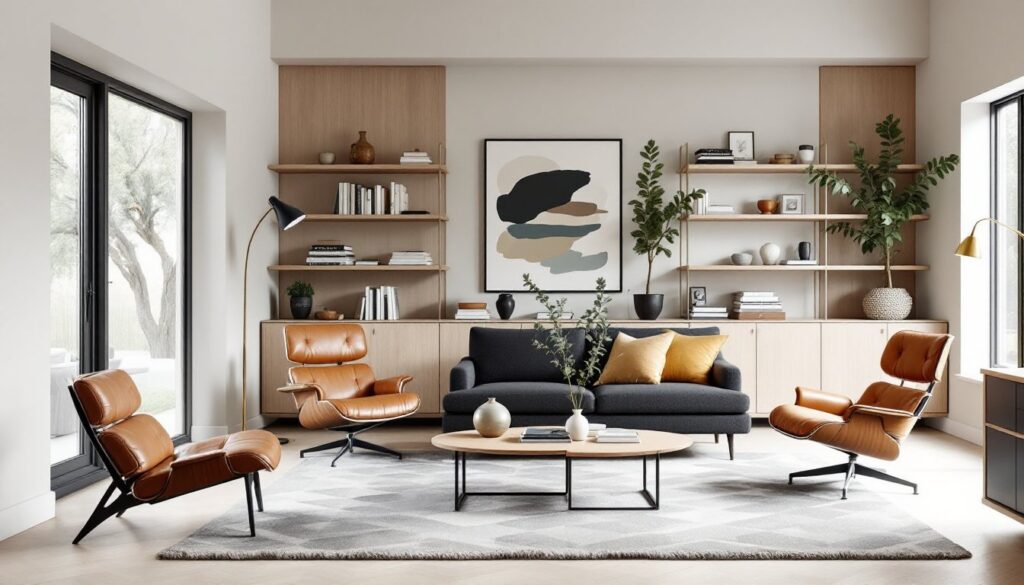
Designer living room furniture isn’t just about price tags, it’s about craftsmanship, materials, and pieces that anchor a room for decades. Whether someone’s furnishing a first home or upgrading a tired layout, understanding what separates designer pieces from big-box alternatives helps justify the investment. This guide walks through what defines designer furniture, which pieces deliver the most impact, and how to integrate high-end finds with practical budget choices without sacrificing style.
Table of Contents
ToggleKey Takeaways
- Designer living room furniture delivers decades of durability through superior materials like kiln-dried hardwood frames, eight-way hand-tied springs, and full-grain leather or Belgian linen upholstery that outperform budget alternatives.
- Prioritize investment in anchor pieces such as statement sofas, accent chairs, and quality coffee tables using the 80/20 rule, then allocate remaining budget to side tables and accessories that can refresh more easily.
- Match designer furniture to your home’s architecture—mid-century modern pieces suit 1950s–1960s homes, while contemporary builds handle bold sculptural designs—and test scale with painter’s tape before purchasing to avoid overcrowding.
- Mix designer seating with budget-friendly side tables and vintage finds from estate sales and consignment shops to create cohesive style; reupholstery costs ($800–1,500) should factor into secondhand purchase negotiations.
- Maintain designer furniture longevity through weekly vacuuming, immediate spill blotting, leather conditioning every 6–12 months, and annual joinery inspections to protect your investment for 10–20 years of daily use.
- Performance fabrics, removable slipcovers, and sleeper sofas with real mattresses are worthwhile upgrades for households with pets, children, or those using the living room as dual-purpose space.
What Makes Living Room Furniture ‘Designer’?
Designer furniture stands apart through a combination of materials, construction, and design lineage. It’s not just about branding, though a well-known maker often signals proven quality.
Materials matter first. Designer pieces typically use kiln-dried hardwood frames (walnut, oak, ash) rather than particleboard or softwood. Upholstery fabrics run to full-grain leather, Belgian linen, or performance weaves like Crypton, not polyester blends that pill after a season. Joinery relies on mortise-and-tenon, dowels, or corner blocks rather than staples and glue.
Construction shows in weight and stability. A designer sofa often weighs 150–200 pounds because of eight-way hand-tied springs, dense foam cores, and solid lumber. Budget pieces substitute sinuous (serpentine) springs and foam-only cushions, which sag faster. Legs attach with threaded inserts and bolts, not screws into composite.
Design pedigree also plays a role. Pieces from established studios, Knoll, Herman Miller, B&B Italia, carry decades of refinement. Mid-century reissues (Eames lounge chair, Noguchi table) maintain exact specs from original patents. Independent designers working with limited production runs bring exclusivity and attention to detail missing from mass manufacturing.
Finally, customization separates designer from off-the-shelf. Most high-end makers offer COM (customer’s own material), custom dimensions, and finish options. A homeowner can specify seat depth, arm height, or wood stain, options that don’t exist when ordering from a warehouse catalog. This flexibility means the furniture fits the space and lifestyle, not the other way around.
Essential Designer Furniture Pieces for Your Living Room
Not every stick of furniture needs a four-figure price tag. Focus investment on pieces that see daily use and define the room’s character.
Statement Sofas and Sectionals
A sofa is the living room’s anchor. Designer options shine here because durability and comfort compound over years of use. Look for hardwood frames with corner blocking, eight-way hand-tied springs, and high-density foam (minimum 1.8 lb/ft³). Seat depth typically runs 22–24 inches: deeper seats (25–26 inches) suit lounging, while shallower works for formal settings.
Sectionals offer flexibility but require planning. Measure doorways, stairwells, and hallways before ordering, modular sections shipped separately navigate tight spaces better than one-piece units. Designer sectionals often include removable covers for cleaning, a feature worth the upcharge for households with kids or pets.
Popular silhouettes in 2026 lean toward low-profile designs with track arms or rounded forms. The boxy, overstuffed look has receded in favor of clean lines and visible wood or metal bases. Fabrics like performance bouclé and textured weaves balance durability with visual interest.
Accent Chairs and Lounge Seating
Accent chairs inject personality and solve layout challenges. A pair flanking a fireplace or a single chair angled beside a sofa creates conversation zones without bulk. Designer accent chairs often feature exposed wood frames, sculptural legs (tapered, splayed, or turned), and compact footprints (26–30 inches wide).
Lounge chairs, think Eames, Womb, or Barcelona chairs, function as art pieces. They’re not cheap, but they hold value and withstand decades of use. Reproductions exist, but authentic or licensed reissues use original materials and joinery. A genuine Eames lounge uses seven-ply molded plywood and aniline leather: knock-offs substitute laminate and bonded leather that crack within years.
For homes with limited square footage, consider a chaise lounge instead of a full sectional. It offers similar lounging appeal but occupies less floor space and simplifies future moves. Brands offering sustainable design often incorporate reclaimed wood and FSC-certified frames, aligning quality with environmental responsibility.
How to Choose Designer Furniture That Fits Your Style
Matching furniture to style isn’t about chasing trends, it’s about cohesion and proportion. Start by assessing the room’s architecture and existing finishes.
Architectural cues guide choices. Mid-century modern homes (1950s–1960s) suit furniture with tapered legs, organic curves, and walnut or teak finishes. Craftsman-style spaces pair well with Mission or Shaker-inspired pieces featuring straight lines and oak. Contemporary builds with open floor plans handle bold, sculptural furniture, oversized sectionals, cantilevered chairs, mixed materials.
Scale and proportion trip up more DIYers than color. Measure ceiling height, room dimensions, and existing furniture before shopping. A 10×12-foot room can’t accommodate a 96-inch sectional without crowding walkways (aim for 24–36 inches of clearance). Use painter’s tape on the floor to outline furniture footprints and test traffic flow.
Color and finish should complement, not match. A charcoal sofa pairs with warm wood tones, cool metals, or lighter accent chairs. Avoid matchy-matchy sets, mixing finishes (say, a walnut coffee table with a brass floor lamp and a linen sofa) adds depth. Neutral upholstery (grays, beiges, navy) offers flexibility: bold colors work for accent pieces that rotate seasonally.
Functionality can’t be an afterthought. Households with pets should prioritize performance fabrics and slipcovers. If the living room doubles as a guest room, a sleeper sofa with a real mattress (not a bar-ridden fold-out) is worth the investment. High-traffic homes benefit from furniture with replaceable cushions and washable covers.
Mixing Designer Pieces with Budget-Friendly Finds
A well-furnished living room doesn’t require an unlimited budget, it requires smart allocation. Invest in anchor pieces, save on supporting players.
The 80/20 rule works here. Spend 80% of the budget on the sofa, one or two accent chairs, and a quality coffee table. These pieces endure heavy use and dominate sightlines. Allocate the remaining 20% to side tables, lamps, and accessories that refresh easily.
Where to save: Side tables, console tables, and shelving units don’t demand designer pricing. Solid wood options from mid-tier retailers or vintage shops offer durability without the markup. A $200 solid oak side table lasts as long as a $600 designer version if construction is sound, check for dovetail joints in drawers and mortise-and-tenon in leg attachments.
Where to splurge: Seating and upholstered pieces. A designer sofa’s frame and cushioning justify the cost because they survive 10–20 years of daily use. Budget sofas often need replacing within 3–5 years, making the per-year cost higher. Similarly, a high-quality lounge chair retains comfort and aesthetics: cheap alternatives sag and look worn quickly.
Mixing eras and styles adds character. Pairing a mid-century modern sofa with an industrial coffee table (reclaimed wood and metal legs) or a contemporary accent chair creates visual interest without clashing. The key: maintain consistent scale and at least one unifying element (color palette, material, or finish).
Secondhand and vintage sources yield designer pieces at fractions of retail. Estate sales, auctions, and consignment shops (online or brick-and-mortar) stock Knoll, Cassina, and other high-end makers. Condition matters, inspect frames, springs, and joinery closely. Reupholstery costs $800–1,500 for a sofa, so factor that into negotiations.
Caring for and Maintaining Your Designer Furniture
Designer furniture lasts decades with proper care, but neglect voids that investment fast. Maintenance varies by material.
Upholstery: Vacuum weekly using an upholstery attachment to remove dust and prevent grit from abrading fibers. Blot spills immediately with a clean, dry cloth, don’t rub. For fabric-specific cleaning, check the manufacturer’s code (usually under cushions): W (water-based cleaner), S (solvent-based), WS (either), or X (vacuum only). Leather requires conditioning every 6–12 months with a pH-balanced product: avoid saddle soap, which dries and cracks the finish.
Wood frames and surfaces: Dust with a microfiber cloth weekly. For cleaning, use a damp (not wet) cloth followed by immediate drying. Oil-finished wood (walnut, teak) benefits from periodic re-oiling with tung or Danish oil: apply thin coats and buff. Lacquered or polyurethane finishes need only dusting, over-cleaning dulls the sheen.
Metal components: Powder-coated steel or aluminum wipes clean with mild soap and water. For brass or copper accents, choose whether to maintain shine (polish with a brass cleaner) or embrace patina (let it age naturally). Chrome benefits from occasional wiping with glass cleaner to prevent water spots.
Structural checks: Annually inspect joinery and hardware. Tighten bolts and screws on legs, arms, and seat attachments, vibrations from use loosen fasteners over time. If upholstery buttons or tufting sag, a professional reupholsterer can re-tie without full recovering. Cushions should be rotated and flipped every few months to even wear.
Environmental care: Keep furniture out of direct sunlight to prevent fading and drying (especially leather). Maintain indoor humidity between 30–50%, too dry causes wood to crack, too moist invites mold. Use coasters and trivets religiously: heat and moisture rings don’t sand out of quality finishes easily.
Professional maintenance: For valuable pieces, schedule professional cleaning every 2–3 years. Upholstery cleaners extract embedded dirt that vacuuming misses, and furniture refinishers can repair scratches, re-glue joints, or refresh finishes without full restoration. Budget $150–400 depending on piece size and condition.