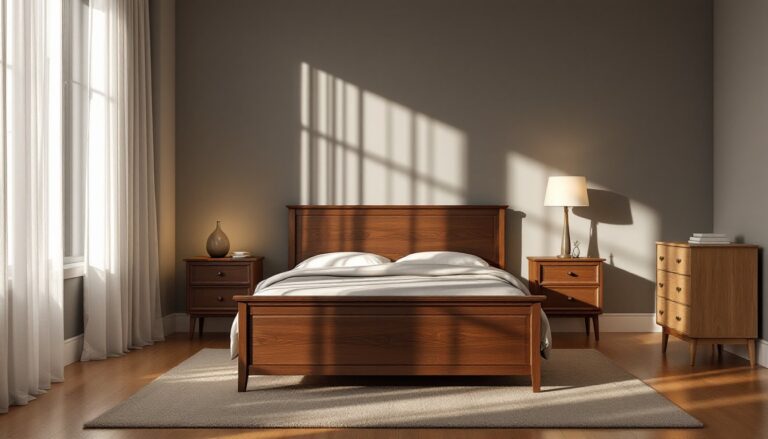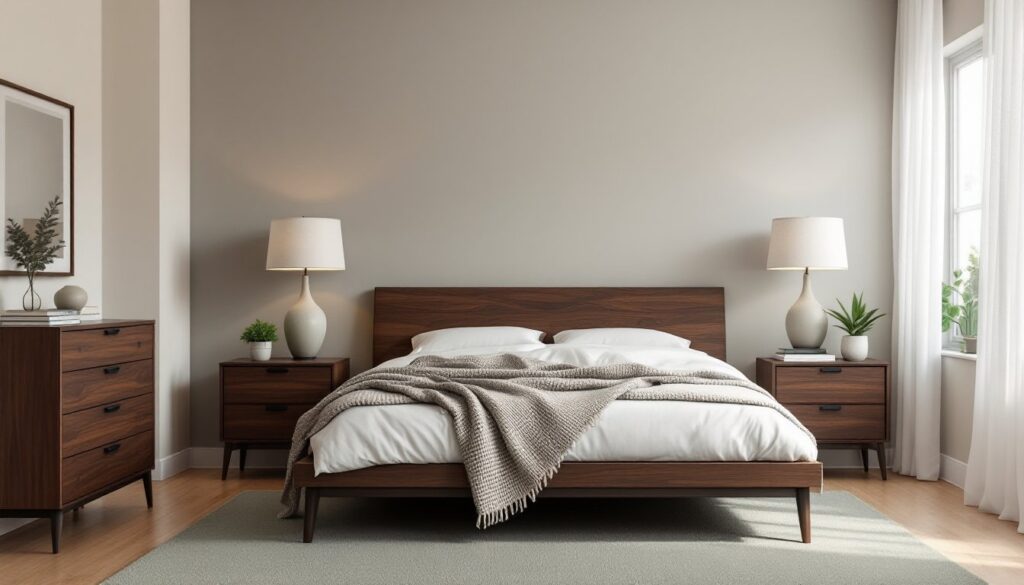
Dark walnut bedroom furniture isn’t just making a comeback, it’s reclaiming its place as the anchor of sophisticated bedroom design. The rich, chocolate-brown tones with subtle grain variation work across everything from modern minimalist spaces to traditional farmhouse bedrooms. Unlike lighter woods that can feel washed-out or dated, walnut brings warmth without the orange undertones of cherry or the coldness of espresso stains. It pairs well with virtually any color palette, hides wear better than painted pieces, and ages into something you’ll actually want to keep. If you’re furnishing a bedroom from scratch or replacing mismatched pieces, walnut offers the kind of cohesive look that pulls a room together without requiring a design degree.
Table of Contents
ToggleKey Takeaways
- Dark walnut bedroom furniture brings warmth and visual weight to any space while hiding wear better than lighter finishes, making it a durable choice for creating a sophisticated retreat.
- Essential dark walnut pieces like platform or traditional bed frames, nightstands, and dressers should be chosen based on construction quality—look for mortise-and-tenon joinery, dovetail drawer corners, and soft-close glides that ensure longevity.
- Complement dark walnut furniture with light wall colors (soft whites, warm grays, muted greens), crisp bedding, and contrasting flooring to prevent the room from feeling too dark or heavy.
- Dark walnut’s natural purple-gray undertones pair seamlessly with cool-toned colors, mixed materials, and hardware finishes like brushed brass or matte black without clashing or competing for attention.
- Maintain dark walnut bedroom furniture by dusting weekly with microfiber cloths, avoiding ammonia-based cleaners, using coasters and felt pads, and keeping humidity between 40–50% to prevent warping and preserve the wood’s rich patina.
Why Dark Walnut Furniture Creates the Perfect Bedroom Retreat
Walnut delivers visual weight that grounds a bedroom without overwhelming it. The natural grain patterns, often featuring swirling cathedral figures or straight striping, add texture that flat-painted furniture can’t match. Real walnut veneer over engineered wood cores provides durability at a fraction of solid walnut’s cost, while still offering that authentic look.
The color itself sits in a sweet spot. It’s dark enough to anchor a room and hide the inevitable dings and scratches that come with daily use, but it doesn’t suck light out of a space the way black-stained pieces can. Walnut’s natural undertones lean slightly purple-gray rather than red, which means it won’t clash with cool-toned grays, blues, or greens the way warmer woods sometimes do.
From a practical standpoint, dark wood furniture requires less frequent touch-ups than lighter finishes that show every smudge. Water rings, dust, and minor surface scratches blend into the grain rather than standing out like they would on white or natural maple. That durability matters in a bedroom where nightstands take constant abuse from glasses, phones, and late-night reading lamps.
Walnut also plays well with mixed materials. It balances cold metals like brushed nickel or matte black hardware without feeling too rustic. Pair it with linen upholstery, leather accents, or even glass-top surfaces, and the wood provides enough contrast to let those materials shine without competing for attention.
Essential Dark Walnut Bedroom Pieces to Consider
Building a cohesive bedroom setup starts with identifying which pieces will see the most use and deserve the investment. Not every item needs to be walnut, but the key anchors should match in tone and finish to create visual continuity.
Bed Frames and Headboards
The bed frame sets the room’s tone. For walnut, you’ll typically choose between platform frames and traditional frames with footboards. Platform frames work best in modern or mid-century spaces, they sit low to the ground, often with integrated slat support that eliminates the need for a box spring. Look for frames with at least 12 slats spaced no more than 3 inches apart to prevent mattress sagging, especially if you’re using memory foam or hybrid mattresses.
Traditional frames with headboards and footboards suit transitional or classic bedrooms. A panel headboard in walnut, whether flat, raised, or with decorative routing, adds architectural interest without requiring upholstery cleaning. If you prefer an upholstered headboard, consider a walnut bed frame with a separate fabric or leather headboard mounted to the wall. This keeps the wood visible while adding softness.
Check the joinery before buying. Mortise-and-tenon joints or dowel construction will outlast cam-lock hardware common in flat-pack furniture. Solid walnut frames can run $1,200–$3,500 depending on size and craftsmanship, while walnut veneer over hardwood or engineered wood drops that to $600–$1,500. Both can last decades if constructed properly.
Dressers and Nightstands
Nightstands take the most daily wear, charging cables, water glasses, and alarm clocks create constant surface contact. Look for pieces with at least a 3/4-inch-thick top to resist warping and ample interior space. Two-drawer nightstands typically measure 24–28 inches tall, which aligns with standard mattress height for easy reach. Soft-close drawer glides (like Blum or Hettich mechanisms) prevent slamming and extend the life of the joinery.
Dressers should match the nightstands in tone and hardware style, but don’t stress over matching grain patterns, natural variation is part of walnut’s appeal. A standard six-drawer dresser (roughly 60 inches wide) offers enough storage for most people without dominating a 12×12-foot or larger bedroom. If space is tight, consider a tall five-drawer chest instead of a wide dresser. Designers at Architectural Digest often pair one tall chest with two nightstands rather than doubling up on wide dressers.
Drawer boxes should be solid wood (not particleboard) with dovetail joints at the corners. English dovetails are stronger than French dovetails, but both will hold up better than stapled or glued boxes. Check that drawer bottoms are at least 1/4-inch plywood, not thin hardboard, which sags over time.
Styling Your Bedroom Around Dark Walnut Furniture
Walnut’s neutrality makes it forgiving, but a few deliberate choices will keep the room from feeling too heavy or one-note. Balance is key, dark furniture needs lighter surroundings to breathe.
Color Palettes That Complement Dark Walnut
Start with the walls. Soft whites, warm grays, and muted greens provide contrast without fighting the wood. Avoid pure white (which can feel sterile) in favor of off-whites with slight cream or gray undertones, think Benjamin Moore’s Swiss Coffee or Sherwin-Williams’ Alabaster. These colors reflect light while letting the walnut stay the focal point.
If you want color, dusty blues, sage greens, or blush pinks work beautifully. The cool undertones in walnut prevent these colors from skewing too warm or country-kitsch. Deeper jewel tones like emerald or navy can work in larger bedrooms with ample natural light, but test samples first, dark walls plus dark furniture can close in a space fast.
Bedding offers the easiest place to introduce pattern and texture. Crisp white linens create a hotel-like simplicity that never looks dated. Layering in textured throws, waffle weave, chunky knit, or linen blends, adds dimension without busy patterns. If you prefer color, stick to two or three tones max: a base neutral, one accent color, and walnut as the third. Interiors showcased in Elle Decor often use this three-tone rule to avoid visual clutter.
Flooring matters, too. Light to medium hardwoods (oak, maple, or ash) contrast nicely with walnut furniture, as do medium-gray luxury vinyl planks. Avoid pairing dark walnut furniture with dark walnut or espresso flooring unless you’re adding a large area rug in a lighter tone, otherwise, everything blends into a single dark mass. Rugs should extend at least 18–24 inches beyond each side of the bed to define the sleeping zone and soften the floor visually.
Hardware and lighting provide finishing touches. Matte black, brushed brass, or satin nickel drawer pulls and light fixtures complement walnut without competing. Avoid shiny chrome or polished brass, which can look dated against the wood’s matte finish. Table lamps with fabric or linen shades diffuse light more gently than metal shades, keeping the room cozy rather than industrial.
Caring for and Maintaining Dark Walnut Bedroom Furniture
Walnut’s durability is one of its selling points, but proper care keeps it looking new for decades. Most damage comes from neglect or using the wrong cleaning products, not from normal use.
Dust weekly with a microfiber cloth, synthetic fibers grab dust better than cotton. For deeper cleaning, use a barely damp cloth (not soaking wet) with a drop of dish soap, then dry immediately. Never use all-purpose cleaners, ammonia-based products, or furniture polishes with silicone, they leave residue that dulls the finish over time.
Refinishing scratches depends on the finish type. Most modern walnut furniture uses polyurethane or lacquer topcoats. Light scratches often disappear with a walnut-toned furniture marker or a bit of walnut meat rubbed into the scratch (the natural oils temporarily darken the wood). Deeper gouges may need a touch-up pen or professional refinishing, especially if they penetrate the stain layer.
Protect surfaces with coasters, felt pads under lamps, and trivets under anything hot. Water rings happen when moisture penetrates the finish, if you catch them early, a heat gun or hair dryer on low, held a few inches away while rubbing with a soft cloth, can sometimes lift the moisture. Stubborn rings may need light sanding and spot-refinishing with a matching polyurethane.
Walnut naturally darkens with age and UV exposure, shifting from chocolate-brown toward a deeper, richer tone with amber highlights. This patina is desirable, but uneven fading (from sunlight hitting one piece more than others) can create mismatched sets. Rotate furniture occasionally if possible, or use curtains or UV-filtering window film to slow the process.
Keep the bedroom’s humidity between 40–50% to prevent wood movement. Too dry, and joints can loosen: too humid, and drawers may swell and stick. A small humidifier in winter and a dehumidifier in summer solve most issues. Check drawer glides annually and tighten any loose screws before they strip out the wood.
If a piece uses real wood veneer rather than solid walnut, take extra care near edges and corners where the veneer is most vulnerable. Don’t drag heavy objects across surfaces, and avoid placing furniture where it will take repeated impacts (like directly behind a frequently-opened door). Quality veneer, properly maintained, can last as long as solid wood and costs significantly less upfront.