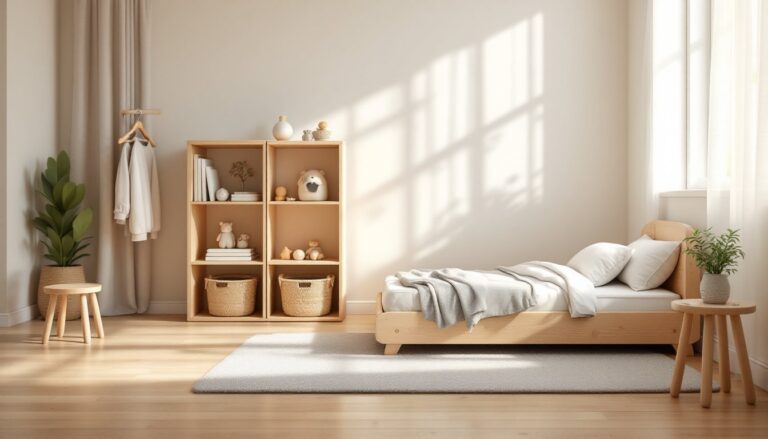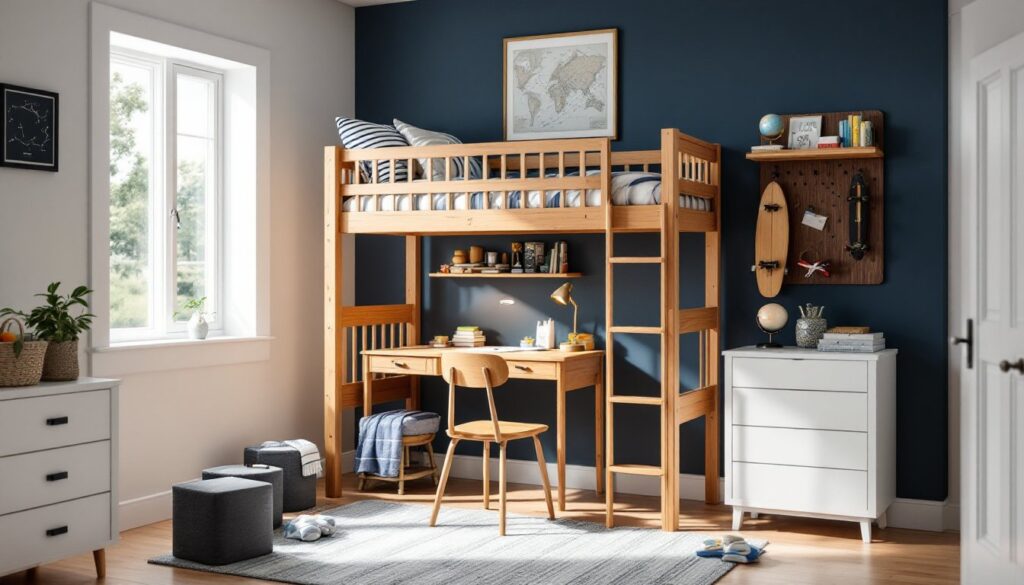
Designing a bedroom for a boy, whether he’s a toddler or pushing into his teen years, requires more than just throwing up some paint and calling it done. The space needs to function as a sleep zone, study area, and play headquarters, often within tight square footage. With the right approach, even small boys bedrooms can feel open, organized, and personal. This guide walks through practical design strategies that work for various ages, room sizes, and budgets. From color palettes that grow with your kid to furniture layouts that maximize floor space, these tips help parents and DIY enthusiasts build bedrooms that are both functional and cool.
Table of Contents
ToggleKey Takeaways
- Boys bedroom ideas work best with adaptable color schemes like neutral base walls paired with accent colors through bedding and decor, allowing easy theme updates without frequent repainting.
- Space-saving furniture and layouts—such as loft beds, wall-mounted desks, and multi-purpose pieces—maximize floor area in small bedrooms while keeping the room functional for sleeping, studying, and play.
- Themes should be layered through removable decor like vinyl decals, framed prints, and accessories rather than permanent fixtures, making it simple to refresh the room as your child’s interests evolve.
- Smart storage solutions including under-bed rolling bins, cube organizers, and vertical wall-mounted systems keep clutter manageable and teach kids to maintain an organized space.
- Safety anchoring is essential—secure tall furniture, heavy wall decor, and custom builds to wall studs with appropriate fasteners to prevent tip-overs and accidents in boys bedrooms.
Choosing the Right Color Scheme for a Boy’s Bedroom
Color sets the tone, but it doesn’t have to be all navy and gray. The best boys bedroom decor balances current preferences with longevity, paint is cheap to redo, but doing it every two years gets old fast.
For toddler boy bedroom ideas, start with neutral base walls (soft gray, warm white, or greige) and layer in accent colors through bedding, rugs, and wall decals. This approach lets parents swap themes without repainting as interests shift from trucks to dinosaurs to superheroes.
With 10 year old boy bedroom ideas or 12 year old boy bedroom ideas, involve the kid in the decision but steer toward shades that won’t feel juvenile in two years. Deep blues, forest greens, charcoal, or even muted terracotta work well. If he’s set on a bold color, use it on a single accent wall and keep the other three neutral. This contains the impact and makes future updates easier.
Consider sheen level when picking paint. Flat or matte finishes hide imperfections but don’t wipe down easily, eggshell or satin holds up better to scuffs and fingerprints. For high-traffic areas or younger kids, satin is the safer bet.
If working with wood trim or built-ins, semi-gloss white on the trim adds contrast and brightens the room. One gallon of quality interior paint typically covers 350–400 square feet per coat: most bedrooms need two coats for even coverage.
Space-Saving Furniture and Layout Ideas
Small boys bedroom ideas hinge on smart furniture placement and multi-use pieces. Before buying anything, measure the room and sketch a floor plan to scale, use graph paper or a free app. Standard twin beds are 38″ × 75″: full beds are 54″ × 75″. In a room under 10′ × 10′, a twin usually makes more sense.
Loft beds and bunk beds reclaim vertical space. A loft bed opens up floor area underneath for a desk, storage cubes, or a reading nook, perfect for boys bedroom ideas for small rooms. If building custom, check local code for guardrail height (typically 5″ above the mattress top) and ensure the frame is anchored to wall studs with appropriate lag screws (usually 5/16″ × 3″ minimum into solid wood studs).
Many DIYers turn to free furniture plans for building beds, desks, or storage units tailored to exact dimensions. Custom builds let you maximize odd layouts or squeeze in drawers where off-the-shelf options won’t fit.
Desk placement matters for older kids. Position desks perpendicular to windows when possible, natural light from the side reduces screen glare. If the room is tight, a wall-mounted fold-down desk saves floor space. Use 1×4 or 1×6 pine for the surface, supported by heavy-duty folding brackets rated for at least 50 lbs each.
For toddlers bedroom ideas boys, keep furniture low and anchored. Dressers and bookshelves taller than 30″ should be secured to the wall using furniture straps or L-brackets into studs. Tip-over accidents are preventable with proper anchoring.
Avoid blocking HVAC vents or outlets with furniture. If a bed must go against a wall with a vent, leave at least 6″ clearance for airflow.
Theme-Based Bedroom Designs Boys Will Love
Themes give a room personality, but they work best when layered in through decor rather than permanent fixtures. Paint a mural on drywall and you’re stuck with it: hang framed prints or vinyl decals and you can swap them in an afternoon.
Sports and Adventure Themes
Sports themes are classics for cool boys bedroom ideas. Instead of wall-to-wall team logos, use colors from a favorite team in bedding and accents. Hang framed jerseys, pennants, or equipment (helmets, gloves) as decor, these are easy to update.
For a football-themed space, consider a bunk bed makeover using DIY painted goalposts, turf-style rugs, or locker-style storage cubes. These details add character without requiring a full renovation.
Adventure themes, camping, space exploration, nautical, work well with awesome boy bedroom ideas that grow with the kid. Use removable wallpaper with maps or constellations on one wall, pair it with neutral furniture, and let the theme live in accessories. Rope lighting (battery-powered LED strips) can mimic campfire glow or starlight without running new electrical.
If hanging items like bikes, skateboards, or climbing gear as wall decor, use heavy-duty wall anchors. Toggle bolts or screw-in drywall anchors rated for 50+ lbs ensure safety. Always locate studs with a stud finder when possible and use appropriate fasteners for the load.
Modern and Minimalist Styles
For cool 10 year old boy bedroom ideas leaning toward simplicity, modern design keeps things clean. Stick to a tight color palette (two or three colors max), choose furniture with straight lines, and keep surfaces clear.
Modern doesn’t mean boring, it means intentional. A single bold element (a graphic area rug, an accent wall in charcoal, a statement light fixture) anchors the room without clutter. Floating shelves made from 1×8 or 1×10 boards with concealed brackets provide display space while maintaining clean lines.
Minimalist boy bedroom decor relies on hidden storage and streamlined furniture. Platform beds with built-in drawers eliminate the need for a separate dresser. Wall-mounted nightstand shelves (8″–10″ deep) keep bedside essentials accessible without taking floor space.
If building custom floating shelves, use heavy-duty shelf brackets or a French cleat system for weight distribution. A typical 1×10 pine shelf 4 feet long can hold about 50 lbs safely when supported by brackets spaced 16″ apart into studs.
Storage Solutions That Keep Clutter Under Control
Good boys bedroom design anticipates mess and builds in solutions. The goal is to make cleanup easy enough that it actually happens.
Under-bed storage is the MVP for small bedroom ideas for boys. Rolling bins or drawers (store-bought or DIY) slide under the bed and hold off-season clothes, extra bedding, or toys. If building a platform bed, incorporate drawers on heavy-duty slides (rated for 75–100 lbs for clothing storage). Use 1/2″ plywood for drawer bottoms to prevent sagging.
For closet organization, double-hang rods maximize space. Install the top rod at 80″–84″ and the lower rod at 40″–42″ for shirts and pants. Use 1-5/8″ closet rod (standard diameter) and support brackets every 36″ to prevent sagging. If the closet is narrow, consider a single rod with a tension shelf above for bins.
Open shelving works when bins or baskets keep items contained. Cube organizers (like the IKEA Kallax) fit fabric bins perfectly and can be configured horizontally or vertically. Anchor units taller than 30″ to the wall with L-brackets into studs.
For small space living solutions, think vertical. Wall-mounted peg boards or slat walls (using 1×3 boards with routed dados) let kids hang backpacks, hats, or sports gear. Spacing slats 6″ apart creates flexible storage that adapts as needs change.
Labeling helps, especially for younger kids. Use a label maker or chalkboard paint on storage bins so everything has a home. Clear bins let kids see contents at a glance, reducing the “I can’t find it” chaos.
If adding built-in storage, check whether you’re dealing with load-bearing walls before cutting into them. Any structural modifications (removing studs, cutting into joists) require a permit and likely professional input. Built-ins attached to non-load-bearing walls are simpler but still need proper anchoring.
Conclusion
Building a functional, personalized boy’s bedroom doesn’t require a full gut job. Focus on adaptable color schemes, space-efficient furniture, and smart storage that grows with the kid. Whether working with a toddler’s first big-kid room or updating a 12-year-old’s space, the same principles apply: plan the layout, choose durable materials, and make it easy to maintain. With these strategies, the room stays organized and the kid actually wants to spend time there.