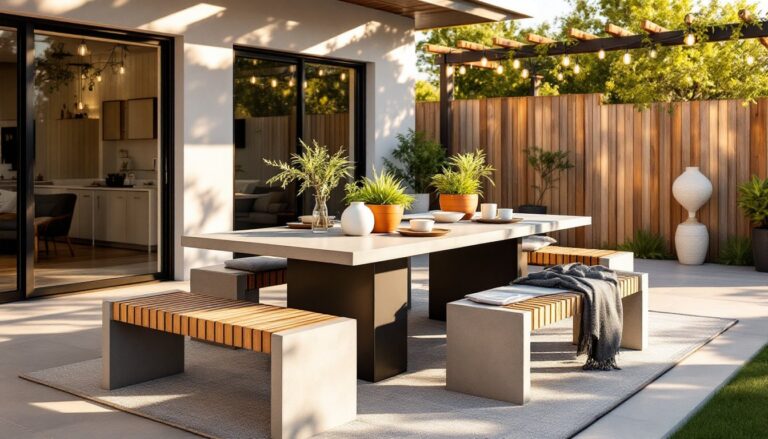
At Home stores roll out patio furniture clearance events that savvy shoppers treat like competitive sport, and for good reason. Quality outdoor sets that retail for $1,200 can drop to $400 or less when timing and strategy align. These sales clear floor space for incoming seasonal inventory, which means real discounts on dining sets, lounge chairs, and conversation groups that would otherwise sit unsold. Unlike online-only deals, in-store clearance lets shoppers inspect frame welds, test cushion density, and spot manufacturing defects before committing. This guide covers when to shop, what to expect, and how to evaluate clearance pieces so they last seasons, not months.
Table of Contents
ToggleKey Takeaways
- At Home patio furniture clearance events offer the deepest discounts (60-75%) during late July through September and late November through January, with quality outdoor sets dropping from $1,200 to $400 or less.
- Inspect frame welds, cushion density, and hardware before purchasing at Home patio furniture clearance—welded aluminum and steel frames, high-density foam, and stainless steel hardware indicate pieces that will last multiple seasons.
- Visit clearance sections on weekday mornings to find the freshest inventory, and don’t hesitate to ask managers for additional discounts on floor models with minor cosmetic damage.
- Complete patio furniture sets can be purchased piecemeal over multiple visits by buying individual chairs and matching tables from the same collection, sometimes yielding 60-70% total savings versus retail price.
- Clean, refinish, and replace worn cushions on clearance pieces before first use—proper maintenance and storage over winter can extend outdoor furniture life by 3-5 years and ensure value from your purchase.
When to Find the Best At Home Patio Furniture Clearance Sales
At Home runs its deepest patio furniture markdowns during two primary windows: late July through September and again in late November through January. The summer clearance coincides with back-to-school inventory shifts, while the winter cycle makes room for spring décor.
Late July to mid-September delivers the highest selection. Stores need floor space for fall and holiday merchandise, so outdoor furniture gets aggressive markdowns, often starting at 30% and escalating to 60-75% by Labor Day. Shoppers willing to store pieces over winter find the best variety during this window.
Late November through January offers steeper discounts but leaner inventory. Leftover summer stock that didn’t sell gets final markdowns, sometimes reaching 80% off. Selection skews toward floor models, odd pieces, and less popular finishes, but determined bargain hunters can find complete sets.
Mid-season flash sales pop up sporadically, typically tied to three-day weekends (Memorial Day, Fourth of July). These events deliver moderate discounts (20-40%) on current inventory rather than true clearance pricing. For maximum savings, target the late-summer and post-holiday windows when stores need to clear square footage fast.
What to Expect During At Home’s Clearance Events
Clearance sections occupy dedicated floor zones, usually near the garden center or along back walls. Signage varies by location, some stores use bright yellow tags, others employ end-of-aisle displays with percentage-off banners. Inventory turns over weekly, so a bare clearance zone on Monday might hold fresh markdowns by Thursday.
Floor models dominate clearance racks. These pieces have been assembled, sat on, and exposed to overhead lighting for months. Expect minor wear: scuffed powder coating on aluminum frames, faded cushion piping, or missing hardware. Some stores sell display models “as-is” with steeper discounts but no returns.
Stock levels fluctuate unpredictably. A complete six-piece sectional might appear one week: the next week, only two chairs remain. At Home doesn’t restock clearance items, once a SKU sells out, it’s gone. Serious shoppers visit weekly during peak clearance windows or call ahead to ask about specific categories (dining sets, chaise lounges, umbrellas).
Types of Patio Furniture Typically Found on Clearance
Conversation sets (loveseat, two chairs, coffee table) appear frequently, especially in wicker and resin wicker. These sets retail for $600-$1,500 and often drop to $250-$600 on clearance. Look for powder-coated steel frames rather than thin-gauge aluminum, which dents easily.
Dining sets show up less often but offer the biggest savings. A seven-piece metal dining set with glass tabletop might fall from $1,200 to $400. Glass tops ship separately and sometimes go missing from clearance items, verify all components before purchase.
Accent pieces, side tables, plant stands, outdoor rugs, and decorative pillows, fill clearance bins. These items pair well with existing furniture and offer low-risk opportunities to test material quality. Outdoor cushions and pillows frequently hit 70% off but check for sun fading, which degrades fabric strength over time.
Fire pits and heaters clear out in late summer. Propane and wood-burning models need proper ventilation and clearance from structures per manufacturer specs, not ideal for small balconies or covered patios.
How to Shop At Home Patio Furniture Clearance Like a Pro
Measure your space before leaving home. Outdoor furniture looks deceptively small on a showroom floor. A sectional that seems modest in-store can overwhelm a 10×12 patio. Bring a tape measure and sketch of your layout, noting door widths if pieces need to fit through interior passages.
Visit on weekday mornings when inventory is freshest and crowds are thinnest. Weekend shoppers pick over stock, and popular items sell fast. Some managers markdown additional pieces Tuesday or Wednesday mornings after reviewing weekend sales data.
Bring a truck or know your vehicle dimensions. At Home offers delivery for a fee, but clearance items sometimes exclude delivery services depending on store policy. A loveseat might measure 60″ wide: most SUV cargo areas top out at 48″ between wheel wells. Confirm dimensions and disassembly options before checkout.
Ask about as-is pricing on floor models with visible damage. Stores sometimes negotiate an additional 10-20% off if a cushion has a small tear or a table has a scratch. This works best on weekdays when managers have time to assess and approve adjustments.
Check the full clearance section, not just the outdoor area. Patio furniture sometimes migrates to general clearance zones or gets mixed with clearance home décor when stores reorganize. One shopper’s misplaced chair is another’s 75%-off deal.
Quality Checks: Evaluating Clearance Patio Furniture Before You Buy
Frame construction determines lifespan. Flip chairs and tables upside down to inspect joints. Welded aluminum or steel frames outlast bolted connections, which loosen over time. Look for reinforcement gussets at leg-to-seat intersections, a sign of quality engineering. Avoid thin-wall tubing (less than 1mm thick) that dents when squeezed: it won’t survive a season of UV exposure and temperature swings.
Wicker and resin wicker need close inspection. Natural wicker degrades quickly outdoors unless kept under cover. Resin wicker (polyethylene or PVC) handles weather better but still cracks with age. Bend a strand gently, it should flex without snapping. Check underside weaving for loose ends or gaps, which indicate rushed manufacturing.
Cushion quality varies wildly. Unzip covers to examine fill material. High-density polyurethane foam (1.8 lb/ft³ or higher) maintains shape and resists moisture better than low-density batting. Covers should have UV-resistant thread and solution-dyed acrylic fabric (brand names like Sunbrella set the standard). Solution-dyed means color permeates the fiber rather than sitting on the surface, so it won’t fade as quickly. Press cushions firmly, they should rebound in 2-3 seconds, not stay compressed.
Hardware check: Bring a small socket wrench or screwdriver. Tighten any loose bolts and note if threads strip easily (cheap zinc-coated hardware). Stainless steel or coated fasteners resist rust: plain steel bolts will corrode within a year in humid climates.
Wood furniture on clearance often shows weathering. Teak, eucalyptus, and acacia hold up outdoors: pine and untreated hardwoods rot. Run a fingernail across the grain, soft spots indicate water damage or insect activity. Hairline cracks are cosmetic, but deep splits compromise structural integrity, especially on chair legs and armrests.
Maximizing Your Savings on Clearance Outdoor Furniture
Stack discounts when possible. At Home occasionally runs additional percentage-off promotions during clearance events, “Extra 20% off red-tag clearance” signs appear sporadically. Pair these with rewards programs or credit card offers for compounding savings. Always ask at checkout if any additional promotions apply.
Buy sets piecemeal over multiple visits. A four-piece conversation set might sell out, but individual chairs or tables from matching collections sometimes linger on clearance. Building a set piece by piece takes patience but can yield 60-70% total savings compared to retail.
Negotiate missing pieces or damage. If a dining set is missing one chair or a cushion, ask the manager to adjust pricing. Stores would rather move incomplete inventory at a steeper discount than let it occupy floor space. Similarly, small cosmetic damage (scuffed paint, minor frame dents) often warrants an additional markdown.
Consider off-season storage. Shoppers who can store furniture over winter access the deepest late-summer discounts. A weatherproof tarp and dry garage or shed preserve pieces bought in August for May installation. This strategy works particularly well for home goods patio furniture purchased at end-of-season pricing.
Compare clearance to direct-import pricing. Big-box home improvement stores sell patio furniture at competitive prices during spring sales. Clearance at At Home sometimes beats these prices, but not always. A quick smartphone search during your store visit confirms whether clearance pricing actually delivers savings or just matches regular competitors’ rates. Resources like Hunker often track seasonal pricing trends for outdoor furniture.
Refreshing and Styling Your Clearance Patio Finds
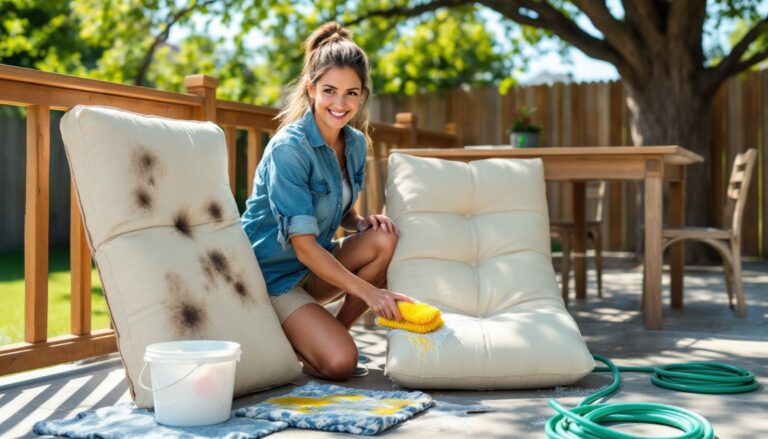
Clean and repair before first use. Wipe down frames with mild detergent and water, rinse, and dry completely. Metal frames benefit from automotive wax, which adds UV protection and prevents oxidation. Tighten all bolts and replace any rusted hardware with stainless steel equivalents from a hardware store.
Refinish weathered wood with exterior-grade stain or sealer. Sand lightly (120-grit) to remove surface oxidation, wipe with a tack cloth, then apply two coats of penetrating oil sealer (like tung oil or Danish oil for hardwoods) or film-forming sealer (spar urethane for softwoods). Let cure for 48-72 hours before use. This process extends life by 3-5 years and costs $20-40 in materials.
Replace worn cushions rather than discarding the entire set. Measure existing cushions (length, width, thickness) and order replacements from fabric stores or online retailers. Outdoor foam runs $15-30 per cushion depending on size: fabric yardage adds another $10-20 per cushion if sewing custom covers. Many shoppers find this more cost-effective than buying new furniture.
Mix clearance with existing pieces. A clearance loveseat pairs well with non-matching chairs if the frame finish coordinates (all black metal, all natural wood, etc.). Unify mismatched sets with coordinating cushion colors or outdoor throw pillows. The Spruce offers detailed guides on mixing outdoor furniture styles while maintaining visual cohesion.
Add protective measures for longevity. Furniture covers ($30-80) extend outdoor furniture life by years, particularly for cushions. Store cushions indoors during winter or in a weatherproof deck box. Apply UV-protectant spray to fabric annually. For uncovered setups, position furniture away from direct sprinkler spray and standing water, which accelerates corrosion and mildew growth. Experts at Southern Living frequently recommend elevating furniture slightly with rubber pads to prevent ground moisture from wicking into legs and frames.