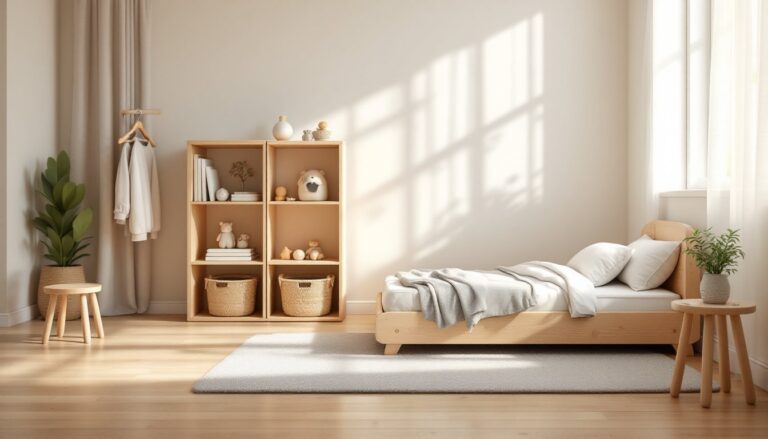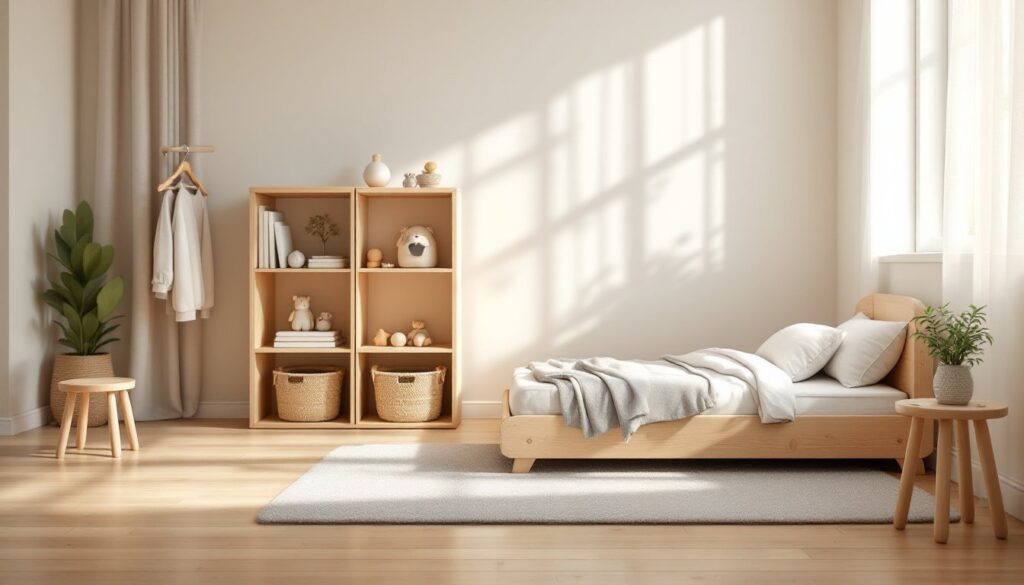
Designing a child’s bedroom around Montessori principles means prioritizing accessibility, independence, and safety. Unlike traditional nurseries filled with standard cribs and tall dressers, Montessori bedroom furniture is scaled to the child’s perspective, floor beds they can climb in and out of independently, low shelving they can reach without help, and wardrobes sized for small hands. This approach isn’t just about aesthetics: it’s rooted in the educational philosophy developed by Dr. Maria Montessori, which emphasizes self-directed learning and motor skill development. For DIY-inclined parents, building or adapting furniture for a Montessori bedroom offers a practical project with meaningful, long-term benefits.
Table of Contents
ToggleKey Takeaways
- Montessori bedroom furniture is designed at the child’s scale to promote independence, with floor beds, low shelving, and child-height wardrobes replacing traditional cribs and tall dressers.
- Floor beds—mattresses placed 6 inches or lower on simple frames—allow toddlers to climb in and out independently while fostering autonomy and eliminating crib-related safety risks.
- Proper anchoring of shelving and wardrobes to wall studs using L-brackets or furniture straps is essential for safety, since children have unrestricted access to all areas of the room.
- Natural materials like solid wood, hardwood plywood, and water-based finishes should be prioritized for Montessori bedroom furniture to avoid off-gassing and create a calm, uncluttered environment.
- Low, open shelving with tops at 24-42 inches (depending on child age) enables kids to see storage options and make independent choices without adult assistance.
- DIY-inclined parents can build quality Montessori bedroom furniture using standard lumber, pocket screws, and child-safe finishes, while adapting existing pieces for accessibility and safety.
What Is Montessori Bedroom Furniture?
Montessori bedroom furniture is designed with one central goal: putting the child in control of their own space. Standard bedroom furniture is built for adult convenience, cribs with high rails, dressers with drawers at waist height, toys stored out of reach. Montessori furniture flips this model. Every piece is designed at the child’s scale and encourages independent movement, decision-making, and self-care.
The defining feature is accessibility. A Montessori bedroom uses a floor bed instead of a crib, low open shelving instead of tall bookcases, and child-height clothing racks instead of standard closets. Furniture is sturdy but lightweight enough that a toddler can move a chair or rearrange books without assistance.
Safety is non-negotiable. Because children have unrestricted access to the room, furniture must be tip-resistant. Anchor shelving units and wardrobes to wall studs using L-brackets or furniture straps rated for the unit’s weight. Avoid glass, sharp corners, and hardware with exposed screw tips. Round over edges with a 1/4-inch roundover bit on a router, or use adhesive edge guards on metal or wood corners.
Montessori furniture also emphasizes natural materials and simplicity. The goal is a calm, uncluttered environment that encourages focus. This means avoiding bright plastic storage bins in favor of wood or fabric, and limiting the number of toys or books on display at any given time.
Essential Pieces of Montessori Bedroom Furniture
Floor Beds: The Foundation of Montessori Sleep
A floor bed is the centerpiece of any Montessori bedroom. It’s exactly what it sounds like: a mattress placed directly on the floor or on a low platform frame, typically no more than 6 inches high. This setup allows toddlers and young children to get in and out of bed independently, fostering autonomy and eliminating the safety risks associated with crib rails.
When selecting or building a floor bed, the frame should be simple and sturdy. A basic frame can be constructed from 2×4 or 2×6 lumber (actual dimensions 1.5″ x 3.5″ or 1.5″ x 5.5″) with butt joints or pocket screws. For a twin mattress (39″ x 75″), cut two side rails and two end rails, then add cross supports every 18-24 inches to prevent sagging. Sand all surfaces with 120-grit sandpaper followed by 220-grit for a smooth finish.
If purchasing, look for bed frames with slat spacing no wider than 3 inches to prevent limbs from slipping through. Many DIY enthusiasts find inspiration in customizable plans on sites like Instructables, which offer step-by-step guides for adapting standard bed frames to Montessori specifications.
Some parents add a low railing on one or both sides during the transition from crib to floor bed. If building one, use 1×3 or 1×4 boards set no higher than 6-8 inches off the mattress surface, and leave gaps at the foot of the bed for easy access.
Low Shelving and Accessible Storage Solutions
Low, open shelving is essential for toy and book storage in a Montessori bedroom. The top shelf should be no higher than the child’s shoulder height, typically 24-30 inches for toddlers and 36-42 inches for preschoolers. Open shelving encourages children to see their options and make choices without adult assistance.
Cube organizers work well, but they must be anchored. A standard 3-tier cube unit weighs around 40-60 pounds when loaded with toys and books. Secure it to wall studs using metal L-brackets (at least two per unit) with screws driven into studs, not drywall alone. If studs aren’t where you need them, use a toggle bolt rated for at least 50 pounds per anchor.
For a custom build, construct simple box shelves from 3/4-inch plywood or MDF. Cut shelves to the desired width (commonly 12-18 inches deep for books and toys), then join sides with wood glue and 1-1/4-inch finish nails or pocket screws. Apply a water-based polyurethane or low-VOC paint to protect the wood and make cleanup easier.
Avoid bins with lids or drawers that are difficult for small hands to operate. Instead, use open baskets or fabric bins with handles. Label shelves with pictures or words to help children understand where items belong.
Child-Height Wardrobes and Clothing Racks
A child-height wardrobe or clothing rack empowers kids to choose their own outfits and practice dressing themselves. Standard closet rods are mounted at 60-72 inches, far too high for a preschooler. Montessori wardrobes use rods at 24-36 inches, depending on the child’s age and height.
A simple DIY clothing rack can be built from 1-inch hardwood dowels or metal pipe. For a freestanding rack, create an A-frame or H-frame using 2×2 lumber (actual 1.5″ x 1.5″). Drill holes slightly larger than the dowel diameter (typically 1-1/8 inches for a 1-inch dowel to allow for wood movement), then glue the dowel in place with wood glue. Apply a clear finish or non-toxic stain.
If adapting an existing closet, install a secondary rod below the main one. Use closet rod brackets designed for double-hang setups, and mount them into studs or use heavy-duty drywall anchors rated for the expected clothing weight (usually 20-30 pounds for a child’s wardrobe).
Some designs incorporate low drawers or cubbies beneath the hanging rod for folded clothes, shoes, or accessories. Keep drawer pulls simple and easy to grip, knobs or D-pulls work better for small hands than recessed or minimalist handles. Many woodworking project plans include adaptable wardrobe designs that can be scaled to child height.
Choosing the Right Materials and Finishes
Montessori furniture prioritizes natural, non-toxic materials. Solid wood is the gold standard, maple, birch, oak, and poplar are all durable, widely available, and take finishes well. Plywood is acceptable for shelving and panel construction: look for hardwood plywood with minimal voids and an A or B face grade for a cleaner appearance.
Avoid particleboard or MDF with formaldehyde-based binders unless it’s certified low-VOC or CARB Phase 2 compliant. These products can off-gas, especially in a child’s bedroom. If you must use MDF (it’s affordable and machines cleanly), seal all edges and surfaces with primer and paint to reduce emissions.
Finishes should be child-safe. Water-based polyurethane, natural oils (like tung oil or linseed oil), and beeswax are all non-toxic once fully cured. If painting, use zero-VOC or low-VOC paints labeled safe for children’s furniture. Allow at least 72 hours of cure time in a well-ventilated space before placing furniture in the child’s room.
For hardware, choose soft-close hinges on cabinet doors to prevent pinched fingers, and avoid small decorative knobs that could be choking hazards for toddlers. All screws and fasteners should be recessed or covered with screw caps if they’re within the child’s reach.
Weight and stability matter as much as finish. Furniture should be heavy enough not to tip easily but light enough that a child can reposition small items like step stools or chairs. A general rule: pieces under 20 pounds should have a wide, stable base: anything heavier should be wall-anchored.
Consider the room’s climate and humidity. Solid wood expands and contracts with seasonal changes, so allow 1/16-inch gaps around panels set into frames, and avoid overly tight joinery that might bind or crack. If building in a humid environment, use moisture-resistant finishes and keep the room well-ventilated.
Conclusion
Building or selecting Montessori bedroom furniture is a practical investment in a child’s independence and confidence. Whether constructing a simple Montessori bed from scratch or adapting existing pieces, the principles remain the same: child-scale dimensions, accessible storage, and safe, natural materials. With careful planning and attention to detail, parents can create a bedroom that grows with their child and supports self-directed learning from toddlerhood onward.