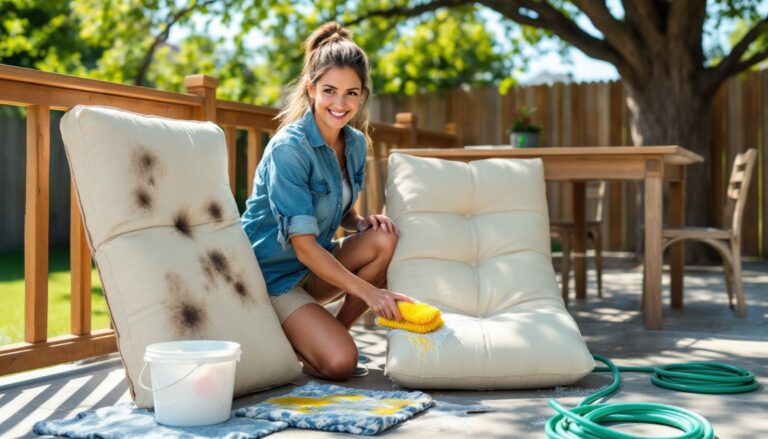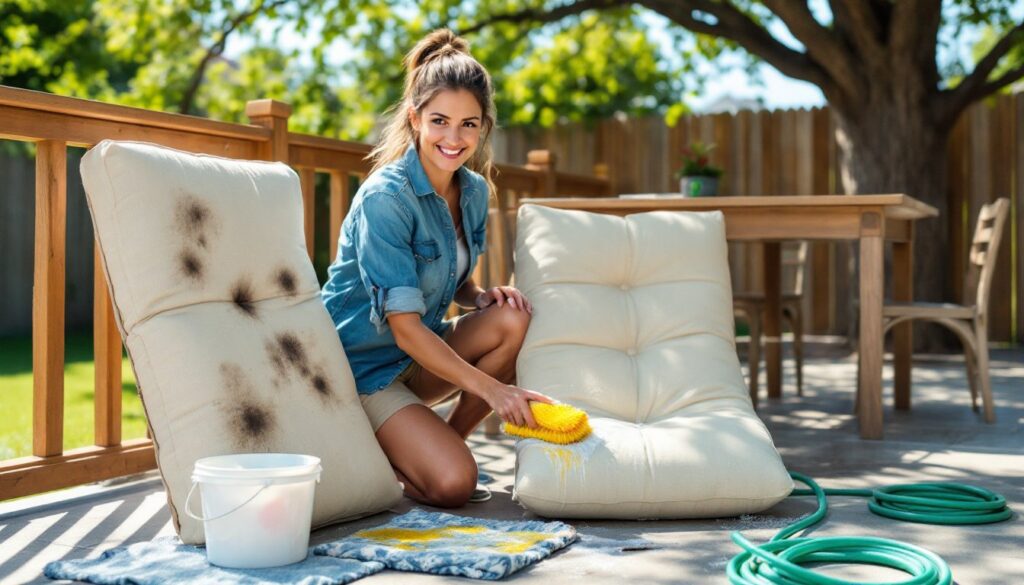
Patio cushions take a beating, pollen, bird droppings, spilled drinks, and mildew from overnight dew all accumulate faster than most homeowners expect. Left unchecked, they fade, stain, and develop that musty smell that screams “forgotten deck furniture.” But before you consider replacing them, know this: most outdoor cushions can be cleaned thoroughly in an afternoon with basic household supplies. Whether you’re dealing with light surface dirt or stubborn mold spots, this guide walks through the exact process to restore your cushions without wrecking the fabric or foam core.
Table of Contents
ToggleKey Takeaways
- Cleaning patio furniture cushions requires only basic household supplies like mild dish soap, white vinegar, and oxygen bleach—no expensive products needed.
- Spot cleaning works best for fresh spills and isolated stains, while deep cleaning with a soap and oxygen bleach solution tackles embedded grime and mildew at least once per season.
- Proper drying is critical: air-dry cushions upright in full sun, flip halfway through, and avoid machine drying to prevent mildew and damage to foam cores.
- Remove and wash zippered cushion covers separately by hand or on a gentle cycle, then air-dry only to prevent shrinkage and preserve water-repellent finishes.
- Maintain clean patio furniture cushions year-round by vacuuming weekly, treating spills immediately, storing cushions indoors when not in use, and rotating them regularly to prevent uneven fading.
- Check care labels before cleaning, and avoid harsh chlorine bleach that degrades outdoor fabrics like Sunbrella and acrylic-coated polyester.
What You’ll Need to Clean Your Patio Cushions
Gather everything before you start, saves trips back inside with wet hands.
Materials:
- Mild dish soap (like Dawn or similar degreasing formula)
- White vinegar (for mildew and odor)
- Baking soda (optional, for stubborn stains)
- Oxygen bleach (like OxiClean: avoid chlorine bleach, which degrades outdoor fabric)
- Bucket or large basin
- Garden hose with spray nozzle
- Clean sponges or soft-bristle scrub brush
- Terry cloth towels (for blotting)
Tools:
- Spray bottle (for spot treatment)
- Shop vacuum or handheld vacuum (for loose debris)
- Large outdoor area with good drainage (driveway, lawn, or deck)
Personal Protective Equipment:
- Rubber gloves (especially if using oxygen bleach)
- Old clothes (you’ll get soaked)
Check the care label on your cushions first, some covers are machine washable, which simplifies the job. Most outdoor fabrics like Sunbrella, acrylic-coated polyester, or olefin are designed for wet cleaning and UV exposure. If the label says “dry clean only” or lists specific restrictions, follow those guidelines to avoid voiding any warranty.
Step-by-Step Cleaning Process for Outdoor Cushions
Spot Cleaning for Stains and Spills
For fresh spills or isolated stains, spot cleaning saves time and keeps you from soaking the entire cushion unnecessarily.
- Remove loose debris. Vacuum or shake out dirt, leaves, and pollen. Don’t skip this, grinding dirt into wet fabric makes stains worse.
- Mix your cleaning solution. Combine 1 tablespoon of mild dish soap with 2 cups of warm water in a spray bottle. For greasy stains (sunscreen, food oils), add 1 tablespoon of white vinegar.
- Spray the stained area. Apply the solution directly to the stain, saturating it without soaking the foam underneath if possible.
- Scrub gently. Use a soft-bristle brush or sponge in circular motions. Work from the outside of the stain inward to prevent spreading. For tougher spots like wine or coffee, sprinkle baking soda over the dampened area, let it sit for 10 minutes, then scrub.
- Rinse thoroughly. Use a garden hose with moderate pressure to flush out all soap residue. Leftover soap attracts dirt and can leave streaks.
- Blot dry. Press a towel into the fabric to absorb excess water. Don’t wring or twist, it can damage seams and distort foam.
Spot cleaning works well for routine maintenance between deep cleans. If you notice patio furniture starting to look dingy overall, it’s time for a full wash.
Deep Cleaning Your Cushions
Deep cleaning tackles embedded grime, mildew, and odors that spot treatments can’t handle. Do this at least once per season, more often in humid climates or if cushions stay outside year-round.
- Remove cushion covers if possible. Many outdoor cushions have zippered covers. If yours do, take them off and wash separately (either by hand or in a front-load washer on gentle cycle with cold water). Skip the dryer, air-dry only to prevent shrinkage.
- Pre-treat mildew. Mix equal parts white vinegar and water in a spray bottle. Spray any visible mold or mildew spots, let sit for 15 minutes, then scrub with a brush. Vinegar kills mold spores without damaging fabric.
- Prepare a cleaning bath. Fill a large bucket or basin with warm water. Add 2 tablespoons of mild dish soap and 1/4 cup of oxygen bleach per gallon of water. Oxygen bleach is safer for colored fabrics than chlorine bleach and still lifts tough stains effectively.
- Submerge and scrub. If cushions are small enough, soak them fully in the solution for 15–20 minutes. For larger cushions, lay them flat and pour the solution over them, working it into the fabric with a brush. Pay extra attention to seams and piping where dirt hides.
- Rinse completely. This is critical, use a garden hose to flush out all cleaning solution. Residual soap or bleach will attract dirt and can irritate skin when you sit on the cushions later. Rinse until water runs clear.
- Inspect for lingering stains. If spots remain, repeat the targeted scrubbing with a paste of baking soda and water. Some stains (like rust or tree sap) may require a specialized cleaner: hardware stores carry products formulated for outdoor fabrics.
According to experts at Good Housekeeping, avoiding harsh chemicals preserves the water-repellent finish many outdoor fabrics have.
Drying and Preventing Mildew Growth
Improper drying is where most DIYers go wrong, it’s the fastest route to mildew, musty odors, and a wasted afternoon.
Air-dry upright in full sun. Stand cushions on edge or prop them at an angle so air circulates on all sides. Direct sunlight speeds drying and has natural antibacterial properties. Avoid laying them flat on a surface, trapped moisture underneath breeds mold.
Flip halfway through. Once the top side feels dry to the touch (usually 2–4 hours depending on humidity and fabric thickness), flip the cushion to expose the other side. Foam cores hold water longer than fabric, so don’t rush this.
Check the core. If your cushions have removable covers, squeeze the foam insert. It should feel firm and dry, not squishy or damp. Wet foam can take 24–48 hours to dry completely in humid conditions. If rain threatens, move cushions under a covered porch with good airflow, never store them damp.
Use a fan for faster drying. In high humidity or if you’re cleaning multiple cushions, set up a box fan or shop fan nearby. This cuts drying time significantly and reduces mildew risk.
Don’t use a dryer. Even on low heat, machine drying can shrink covers, melt synthetic fibers, and warp foam. The only exception: if the manufacturer’s label explicitly says “tumble dry low,” and only for removable covers, never the foam.
Watch for mildew signs. Black or green spots, musty smell, or slimy texture mean mildew is growing. If this happens mid-drying, re-treat with the vinegar solution and reset the drying process.
Tips for Maintaining Clean Patio Cushions Year-Round
Cleaning is easier when cushions don’t get filthy in the first place. A few habits extend their life and cut down on major scrub sessions.
Store cushions when not in use. If you’re not using your patio for more than a few days, bring cushions inside or stash them in a deck box. Even water-resistant fabrics degrade faster with constant UV and moisture exposure.
Invest in cushion storage bags. Large zippered bags (sold at hardware stores) protect cushions during winter storage and keep them clean between uses. Make sure cushions are bone-dry before sealing them, trapped moisture = instant mold farm.
Brush or vacuum weekly. A quick pass with a handheld vacuum or stiff brush removes pollen, dust, and crumbs before they embed in the weave. Takes two minutes and prevents the grime buildup that requires deep cleaning.
Treat spills immediately. Blot liquids with a towel right away, don’t let them soak in. For food, scrape off solids first, then spot-clean with the soap solution. The longer a stain sits, the harder it is to remove.
Flip cushions regularly. Rotate and flip them every few weeks to distribute wear and sun exposure evenly. This prevents one side from fading or compressing faster than the other.
Reapply fabric protector. After deep cleaning, consider a spray-on fabric guard like Scotchgard Outdoor Water Shield. It restores water repellency and makes future cleaning easier. Follow product instructions, most require the fabric to be completely dry and recommend reapplication every 6–12 months.
Choose the right clearance patio furniture with removable, washable covers. If you’re replacing cushions or buying new outdoor seating, prioritize designs with zippered covers. They’re infinitely easier to maintain.
For broader outdoor upkeep ideas, The Spruce offers helpful seasonal maintenance checklists. Martha Stewart also recommends treating cushions as part of spring and fall deep-cleaning routines, not just when they look visibly dirty.
Conclusion
Clean patio cushions don’t require expensive products or professional help, just the right approach and a bit of elbow grease. Tackle stains early, dry thoroughly, and store smart, and those cushions will stay fresh season after season. Now get outside and enjoy that cleaner outdoor space.