Martha Stewart Living patio furniture has earned a reputation for blending classic design with practical outdoor durability. For homeowners looking to upgrade their deck, patio, or backyard without diving into custom builds, this line offers a middle ground between big-box basics and high-end boutique pieces. The collection spans multiple materials, styles, and price points, making it accessible whether someone’s furnishing a small balcony or a sprawling poolside lounge. This guide breaks down what sets the brand apart, which collections are worth considering, and how to keep pieces looking sharp season after season.
Table of Contents
ToggleKey Takeaways
- Martha Stewart Living patio furniture delivers curated design and weather-resistant durability at mid-range prices ($300–$1,200 for seating sets), positioning it between basic resin and premium high-end options.
- Popular collections like Charlottetown (all-weather wicker) and Blue Hill (traditional wood) use UV-resistant fabrics and rust-resistant hardware engineered to last 8–12 years with consistent maintenance.
- Seasonal updates and flexible mix-and-match pieces, including swappable cushion covers, let homeowners refresh outdoor spaces without replacing entire frames.
- Regular upkeep—monthly rinsing, annual wood sealing, proper off-season storage, and hardware checks—is essential to prevent deterioration and extend furniture lifespan significantly.
- Available exclusively through The Home Depot online and in-store, with late-summer clearance sales offering 30–50% discounts for budget-conscious shoppers willing to compromise on colors.
What Makes Martha Stewart Living Patio Furniture Stand Out
Martha Stewart Living patio furniture distinguishes itself through a focus on curated aesthetics paired with materials engineered for outdoor exposure. Unlike generic sets that prioritize rock-bottom pricing, this line emphasizes coordinated design, cushion patterns, frame finishes, and accessory pieces that work together out of the box.
The brand partners with major retailers to keep distribution wide and pricing competitive. Most collections fall into the mid-range category, typically $300–$1,200 for a seating set, depending on material and size. That positions it above entry-level resin but below premium teak or powder-coated aluminum lines that can run $2,000+.
Another hallmark is seasonal updates. New colorways, fabric patterns, and limited-edition pieces roll out annually, which appeals to design-conscious homeowners who want fresh looks without waiting years for a full product cycle. For DIYers who like to swap cushions or mix-and-match pieces, this approach offers flexibility.
Durability standards meet industry norms for outdoor furniture: UV-resistant fabrics, rust-resistant hardware, and weather-treated frames. The line isn’t commercial-grade hospitality furniture, but it’s built to handle typical residential use, rain, sun, and occasional snow cover, without falling apart in two seasons.
Popular Martha Stewart Living Patio Furniture Collections
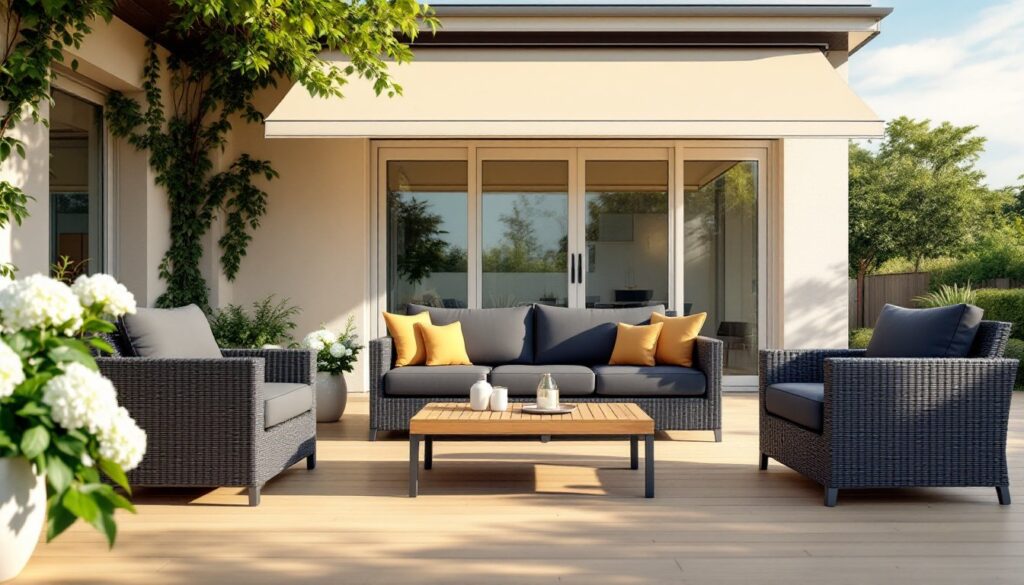
Several collections have become go-to options for homeowners tackling backyard makeovers. The Charlottetown collection is one of the most widely recognized, featuring all-weather wicker with a deep-seating profile. Frames use powder-coated steel for structural support, wrapped in resin wicker that resists fading and cracking. Cushions come in solution-dyed acrylic, which holds color better than standard outdoor fabrics. This collection works well for covered patios or decks with partial shade.
The Blue Hill collection leans traditional, with slatted backs and clean lines reminiscent of Adirondack-style chairs. It’s often available in painted wood finishes, white, navy, or natural, and pairs well with coastal or farmhouse aesthetics. Wood pieces in this line are typically eucalyptus or acacia, both hardwoods that offer decent rot resistance when sealed annually.
For smaller spaces, the folding bistro sets provide a practical option. These use steel frames with powder-coat finishes and fold flat for winter storage. They’re lightweight enough to move around a balcony or small deck but won’t hold up to heavy wind without anchoring.
Occasionally, limited-run collections appear, often tied to seasonal launches or collaborations. These can include unique materials like woven rope or mixed-media frames (wood and metal). Availability varies, so homeowners hunting for a specific look should check stock early in the spring buying season.
Materials and Durability: What to Expect
Material choice directly impacts how long a piece survives outdoor conditions. Martha Stewart Living uses several standard outdoor materials, each with trade-offs.
Resin wicker (polyethylene or PVC-coated) dominates the seating collections. It’s UV-stabilized to prevent brittleness and can be hosed down without concern. Frames underneath are usually powder-coated steel, which resists rust better than bare metal but can chip if scratched. Touch up any nicks with matching spray paint to prevent corrosion from creeping in.
Eucalyptus and acacia appear in wood collections. Both are denser than pine or cedar, offering better rot resistance, but they’re not teak. Expect to reapply exterior wood sealer or tung oil annually to prevent graying and splitting. Without maintenance, these woods will weather to a silvery patina, some homeowners prefer that look, others don’t.
Cushion fabrics are typically solution-dyed acrylic (often branded as Sunbrella or a similar spec). This means the color goes through the entire fiber, not just a surface coating. They’re mildew-resistant and can handle moderate rain, but they’re not waterproof. Store cushions during heavy storms or winter, or invest in outdoor storage solutions to extend their lifespan.
Hardware, screws, bolts, hinges, should be stainless steel or coated to prevent rust. Cheaper sets sometimes use plain steel, which will corrode in coastal or high-humidity climates. Check hardware during assembly and upgrade fasteners if needed.
Most pieces carry a one-year limited warranty covering manufacturing defects. Frame failures or premature fabric deterioration within that window are usually covered, but damage from neglect (leaving cushions out all winter, failing to tighten loose bolts) typically isn’t.
Design Styles and Aesthetic Options
Martha Stewart Living leans toward transitional and traditional design, with occasional nods to coastal and farmhouse themes. Don’t expect ultra-modern minimalism or industrial steel-and-concrete looks here, the brand’s wheelhouse is approachable, curated comfort.
Color palettes tend toward neutrals: grays, taupes, navy, and cream dominate cushion options, with seasonal pops of coral, teal, or olive. Patterns range from solids to subtle geometrics and florals. For homeowners who like to refresh a space without replacing frames, swapping cushion covers (sold separately) is a straightforward update.
Frame finishes include espresso brown, charcoal, white, and natural wood tones. Wicker collections often feature two-tone weaves (gray with cream accents, for example), adding visual interest without busy patterns.
Furniture profiles run deep-seated, seat depths of 24–26 inches are common, which suits lounging but may feel too relaxed for dining. Dining sets in the line use standard 18-inch seat heights and narrower depths (16–18 inches) for upright posture.
Accessory pieces, side tables, ottomans, storage benches, coordinate with major collections, making it easy to build out a cohesive look. For DIYers tackling a full patio layout, this simplifies the design process compared to sourcing mismatched pieces from multiple brands. Homeowners can reference patio furniture ideas to see how coordinated sets integrate into different outdoor layouts.
Where to Buy Martha Stewart Living Patio Furniture
Martha Stewart Living patio furniture is sold primarily through The Home Depot, both in-store and online. This partnership keeps the line accessible nationwide, with seasonal displays typically appearing in late February through early summer.
In-store shopping lets buyers inspect frame welds, test cushion firmness, and check fabric texture firsthand, useful for spotting quality variations between price tiers. Staff can often order out-of-stock pieces for delivery, though spring availability can be hit-or-miss as popular items sell out.
Online ordering through Home Depot’s site offers the full catalog, including web-exclusive colors or limited runs not stocked in every store. Shipping costs vary by item size: bulky sets may qualify for free delivery during promotional periods, but smaller pieces might incur fees. Curbside delivery is standard, drivers typically won’t haul furniture into a backyard or assemble it.
Occasionally, clearance sales run in late summer (August–September) as retailers make room for fall inventory. Discounts can hit 30–50%, but selection narrows to remaining stock. For budget-conscious DIYers willing to compromise on color or style, this is the window to watch. Shoppers hunting for deals might also browse at home patio furniture clearance events at other retailers for comparison.
Secondary markets, Craigslist, Facebook Marketplace, estate sales, sometimes feature gently used sets, particularly in suburban areas. Inspect frames for rust, cracks, or wobbly joints, and budget for new cushions if the originals are faded or mildewed.
Maintenance Tips to Keep Your Furniture Looking New
Outdoor furniture requires regular upkeep to survive multiple seasons. Skipping maintenance is the fastest way to turn a decent set into weathered junk.
Wicker and resin frames: Hose down monthly to remove pollen, dust, and bird droppings. Use a soft-bristle brush and mild dish soap for stubborn grime. Avoid pressure washers, they can crack resin weave or force water into frame joints, accelerating rust. Inspect weave annually for loose ends or cracks: a dab of outdoor adhesive or replacement wicker strand (available at hardware stores) can patch small damage.
Wood furniture: Apply exterior wood sealer or tung oil every 12 months, ideally in early spring before heavy use. Sand lightly (120-grit) to remove any rough spots before sealing. If the wood has already grayed, use a wood brightener (oxalic acid-based) to restore color before sealing. Store wood pieces under cover or indoors during winter in freeze-thaw climates, repeated moisture cycling causes splitting.
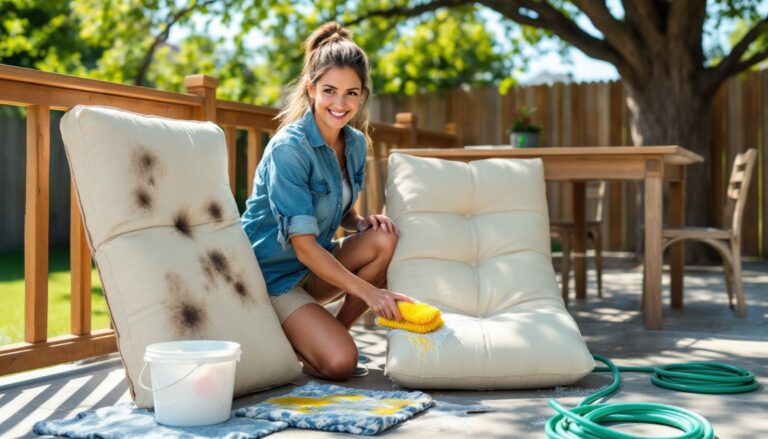
Cushions: Spot-clean spills immediately with mild soap and water. For deeper cleaning, remove covers (if zippered) and machine-wash on gentle cycle with cold water: air-dry only, heat can shrink fabric or damage waterproof backing. Non-removable cushions can be scrubbed with a soft brush and hosed off. Store cushions in a dry, ventilated space (garage, shed, deck box) during winter or prolonged rain. Mildew thrives in damp, enclosed areas, so avoid sealing cushions in plastic bags.
Hardware: Tighten bolts and screws at the start of each season. Apply a light coating of 3-in-1 oil or silicone spray to moving parts (hinges, folding joints) to prevent seizing. Replace any rusted fasteners with stainless steel equivalents.
Covers: Invest in fitted furniture covers for off-season storage or if pieces remain outdoors year-round. Look for breathable, water-resistant fabrics (polyester with vents) to prevent condensation buildup. Cheap vinyl covers trap moisture and accelerate mold growth. Homeowners seeking broader ideas for outdoor spaces can explore options at outdoor furniture retailers to compare maintenance requirements across brands.
Winter prep: In cold climates, either move furniture indoors or elevate pieces on blocks to prevent frames from sitting in snowmelt. Ice expansion can crack resin and warp wood.
Most maintenance tasks take under an hour per season. Consistent care extends furniture life from 3–5 years (with neglect) to 8–12 years or more.
Conclusion
Martha Stewart Living patio furniture offers a practical middle ground for homeowners who want coordinated outdoor style without custom pricing. The line’s material quality and design consistency make it a solid choice for typical residential use, provided buyers commit to regular maintenance. Seasonal care, sealing wood, storing cushions, checking hardware, determines whether a set lasts three years or ten. For DIYers willing to put in that upkeep, it’s a straightforward way to furnish an outdoor space that looks intentional, not improvised.