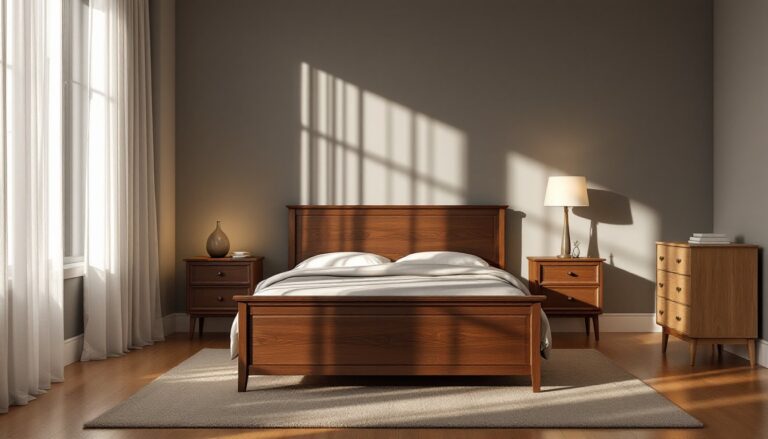
Ever wonder why a hotel bed feels so much better than your own? It’s not magic, it’s commercial-grade bedroom furniture, engineered to withstand daily use by hundreds of guests while delivering consistent comfort. Commercial bedroom furniture is built to institutional standards with reinforced frames, high-density foams, and durable finishes that outlast consumer-grade pieces. In 2026, more homeowners are looking past big-box retail and sourcing the same hospitality-grade furniture that hotels, dorms, and senior living facilities rely on. This guide walks through what makes commercial furniture different, why it’s worth considering for residential use, and how to buy it without a commercial account.
Table of Contents
ToggleKey Takeaways
- Commercial bedroom furniture is engineered to BIFMA standards with reinforced frames, high-density foams, and catalyzed finishes that outlast consumer-grade pieces by years, making it a smart long-term investment for high-use spaces.
- Commercial bed frames support 1,000+ pounds thanks to reinforced center rails, while dressers feature dovetail joinery and full-extension ball-bearing slides rated for 75+ pounds, eliminating sag and maintenance issues.
- Commercial furniture excels in guest rooms, rental properties, and kids’ bedrooms where durability and easy maintenance matter more than trendy aesthetics, as it resists stains, scratches, and moisture without damage.
- Buy from contract furniture dealers, liquidation outlets, or manufacturer direct; verify BIFMA X5.1 certification, measure carefully (frames are wider than retail), and budget for freight and lead times of 4–8 weeks.
- Commercial finishes use standardized hardware and simple repairs—replacing a drawer slide requires an off-the-shelf part, not a discontinued model—saving money on maintenance over the furniture’s 20+ year lifespan.
What Is Commercial Bedroom Furniture and Why Consider It for Your Home?
Commercial bedroom furniture refers to pieces manufactured for institutional, hospitality, and multi-family housing environments, hotels, hospitals, college dorms, senior care facilities, and apartment complexes. Unlike residential furniture sold at consumer retailers, commercial furniture meets strict durability standards set by organizations like the Business and Institutional Furniture Manufacturers Association (BIFMA).
The difference starts with construction. Commercial bed frames use welded steel tubing or solid hardwood with corner blocks and metal brackets, not particleboard and cam-lock fasteners. Drawer boxes feature dovetail joinery and full-extension ball-bearing slides rated for 75+ pounds. Finishes are catalyzed lacquer or powder coating, both far more resistant to scratches and moisture than retail laminate.
Homeowners consider commercial furniture for three main reasons: longevity, guest rooms that see heavy rotation, and resale properties like Airbnb units. A commercial dresser might cost 40% more upfront, but it can outlast three consumer-grade replacements. For rental properties, that durability translates directly to lower replacement costs and fewer maintenance calls.
One caveat: commercial furniture prioritizes function over aesthetics. Expect clean lines and neutral finishes, oak, walnut, or painted white, but fewer design flourishes. If you’re after ornate carvings or trendy colors, you’ll need to shop elsewhere.
Key Benefits of Choosing Commercial-Grade Bedroom Furniture
Durability is the headline benefit. Commercial furniture is tested to BIFMA X5.1 standards, which simulate years of use in a matter of weeks. Chairs must survive 100,000 drop cycles: bed frames endure load tests at 350+ pounds with impact forces. Drawer slides are cycled 25,000 times. Consumer furniture has no such requirements.
Many platforms like Design Milk highlight modern, durable furniture that bridges commercial and residential aesthetics, showcasing pieces that don’t sacrifice style for longevity.
Weight capacity is another advantage. Residential beds often max out at 500 pounds total, while commercial frames typically support 1,000 pounds or more thanks to reinforced center rails and additional crossbars. For households with multiple users, taller individuals, or anyone who prefers a heavier mattress setup (latex or hybrid models can exceed 150 pounds alone), commercial frames eliminate sag and creaking.
Maintenance is simpler. Commercial finishes resist water rings, scratches, and UV fading. Spills wipe clean without leaving marks. Hardware is standardized, #8-32 machine screws, Euro hinges, ball-bearing slides, so repairs don’t require proprietary parts. If a drawer slide fails in year eight, you can order a replacement from any furniture hardware supplier, not hunt down a discontinued model.
Fire safety compliance is built-in. Commercial upholstered headboards and mattresses meet California TB 117-2013 and CFR 1633 flammability standards, which require flame barriers and self-extinguishing foams. Residential furniture has no federal flammability mandate, though some manufacturers voluntarily comply.
Finally, commercial furniture holds up in humid or high-traffic environments. If you live in a coastal area, run an Airbnb, or have kids and pets, commercial-grade finishes and joinery won’t delaminate or warp the way budget MDF pieces do.
Top Types of Commercial Bedroom Furniture for Residential Spaces
Commercial Beds and Mattresses
Platform beds are the workhorse of commercial sleeping arrangements. Most use a welded steel frame with a wood or metal slatted deck. Slats are spaced 2–3 inches apart and rated to support mattresses without a box spring. Look for frames with a center support rail and at least five crossbars, critical for queen and king sizes.
Headboards in commercial settings are typically upholstered panels mounted to a cleat system, not bolted to the frame. This allows easy replacement if the fabric wears or stains. Vinyl or polyurethane upholstery is standard: it’s cleanable and meets fire codes. Fabric options exist but require Crypton or similar stain-resistant treatments.
Mattresses sold to hotels are often high-density innerspring models with 12.5-gauge coils (thicker wire than retail mattresses, which run 13–15 gauge). Edge support uses foam encasement or a border rod, a steel wire that prevents roll-off. Mattress depth is usually 10–12 inches, not the 14–16 inches seen in retail “luxury plush” models, hotels prioritize durability and ease of sheet fitting over pillow-top theatrics.
For residential use, a commercial mattress makes sense if you weigh over 200 pounds, sleep hot (innerspring breathes better than all-foam), or need something that holds up to kids jumping on the bed. You’ll sacrifice some contouring compared to memory foam, but gain a cooler, more supportive sleep surface.
A midcentury-style commercial bedroom setup designed for an Atlanta project by DeBora Rachelle Inc. shows how hospitality-grade furniture can work in a stylish residential space without looking institutional.
Hospitality-Grade Dressers and Storage Solutions
Casegoods, dressers, nightstands, wardrobes, in commercial environments are built from furniture-grade plywood (9-ply or better) or solid hardwood, not particleboard or MDF. Case backs are 1/4-inch plywood set into rabbets (a recessed groove), glued and stapled. Retail furniture often uses 1/8-inch hardboard tacked on with brads, which pulls loose over time.
Drawer construction is the biggest tell. Commercial pieces use English dovetails or doweled construction with 1/2-inch solid wood sides. Drawer bottoms are 1/4-inch plywood captured in a groove, not stapled on. Full-extension ball-bearing slides (50–75 lb capacity) are standard: retail furniture often uses cheaper epoxy-coated slides rated for 25 pounds.
Look for adjustable leveling glides on the feet, most commercial dressers have threaded inserts that accept furniture glides. This lets you true the piece on uneven floors without shimming, reducing racking stress on the joints.
Finishes are typically catalyzed conversion varnish (CV) or powder-coated metal. CV is a two-part finish sprayed on in a shop and baked, creating a durable, moisture-resistant surface harder than polyurethane. Powder coating is standard on metal frames and drawer fronts, it won’t chip or rust.
For storage, hospitality nightstands often feature AC outlets and USB ports integrated into the back or top. Commercial-grade models use UL-listed components and metal junction boxes, not the surface-mount plastic hubs common in retail furniture.
Wardrobes and armoires in commercial settings are designed for hanger storage without a lot of shelves, hotels assume guests travel with hanging garments. If adapting one for home use, plan to add shelving. Most commercial wardrobes have Euroscrew panels (32mm hole spacing), so adding shelves is straightforward.
How to Choose the Right Commercial Bedroom Furniture for Your Home
Start with use case. Commercial furniture isn’t always the right answer. If you’re furnishing a primary bedroom that sees light use and you want a specific aesthetic, mid-century modern, rustic farmhouse, glam upholstered, retail options give you more style variety. Commercial furniture shines in guest rooms, rental properties, kids’ rooms, and any space where durability trumps trendiness.
Sites like Homedit offer design inspiration that balances aesthetics with practicality, helping identify furniture styles that work in real-life, high-use scenarios.
Measure your space carefully. Commercial beds often have taller headboards (48–60 inches) and thicker mattresses than you’re used to. A queen frame might measure 64 inches wide (consumer frames are typically 60 inches) due to wider side rails. Check door widths and stairwell dimensions, commercial furniture doesn’t always knock down as easily as flat-pack retail pieces.
Evaluate weight. A commercial dresser can weigh 200+ pounds unloaded. If you’re in a second-floor apartment or planning to rearrange frequently, factor in the hassle and potential floor loading.
Prioritize BIFMA certification. Not all commercial furniture meets the standard, some manufacturers build for the contract market but skip testing. Ask for BIFMA X5.1 or X5.5 compliance documentation. If the seller can’t provide it, the piece may not be truly commercial-grade.
Finish and hardware compatibility matter for future repairs. Stick with common finishes (oak, maple, walnut stain) and standard hardware (Euro hinges, ball-bearing slides, wood screws). Proprietary finishes and oddball fasteners make repairs expensive.
Check lead times and shipping. Commercial furniture is often made-to-order with 4–8 week lead times. Shipping is freight, not parcel, expect a curbside delivery via semi-truck, not UPS. Budget $200–$500 for white-glove delivery and assembly if you can’t handle a 200-pound dresser yourself.
Understand warranties. Commercial furniture warranties cover defects in materials and workmanship, typically 5–10 years, but exclude normal wear, abuse, and damage from improper use. Residential warranties often cover less time but are more lenient on use cases. Read the fine print.
Where to Buy Commercial Bedroom Furniture in 2026
Contract furniture dealers are the primary channel. These suppliers sell to hotels, schools, and multifamily developers, but many also serve residential customers. Expect to request a quote rather than see prices online, commercial pricing varies by volume and finish. National dealers include Hospitality Designs, Rowe Furniture Contract Division, and Commercial Furniture Group. Regional dealers often have showrooms where you can see and touch pieces.
Liquidation and surplus outlets sell overstock, customer returns, and end-of-run commercial furniture at steep discounts. You might find a $1,200 dresser for $400, but selection is hit-or-miss, and warranties may be void. Check freight-and-salvage stores in metro areas or online platforms like Bstock and Direct Liquidation.
Online marketplaces like Wayfair Professional, Amazon Business, and WebstaurantStore now carry commercial bedroom furniture. Pricing is transparent, but you lose the ability to negotiate volume discounts, and customer service is less specialized than working with a contract dealer.
Manufacturer direct is an option if you know what you want. Companies like JSI, Trent Furniture, and Cumberland Furniture sell direct but often require a minimum order (e.g., a full bedroom set). Lead times are longer, but you get the exact finish and configuration you need.
Used hotel furniture dealers are a budget-friendly route. When hotels remodel, they liquidate functional furniture at a fraction of retail. Inspect carefully for stains, odors, and structural damage, hotel furniture is durable, but it’s been used hard. Expect to pay 30–50% of new pricing.
Specialty retailers like IKEA Business and Office Depot now stock light-commercial furniture aimed at small businesses and home offices. Durability is better than consumer-grade but doesn’t meet full BIFMA standards. Good for a home office guest room, less ideal for a high-use rental property.
Before buying, confirm return policy and freight terms. Commercial furniture is almost always final-sale once shipped. If ordering online, verify dimensions and finish with the seller before placing the order, restocking fees and return freight can exceed the refund.