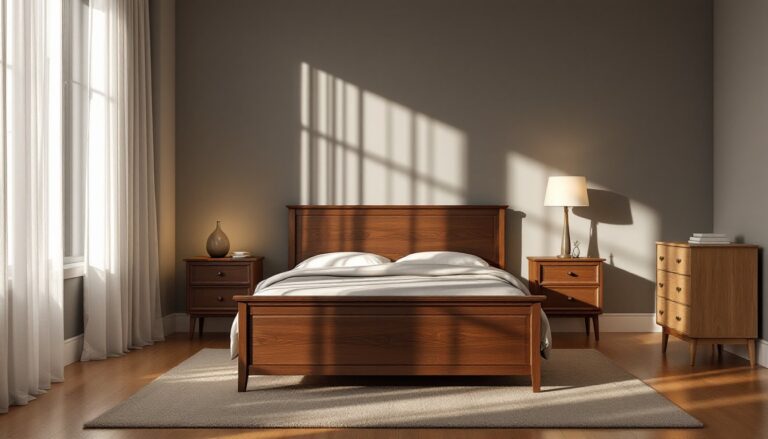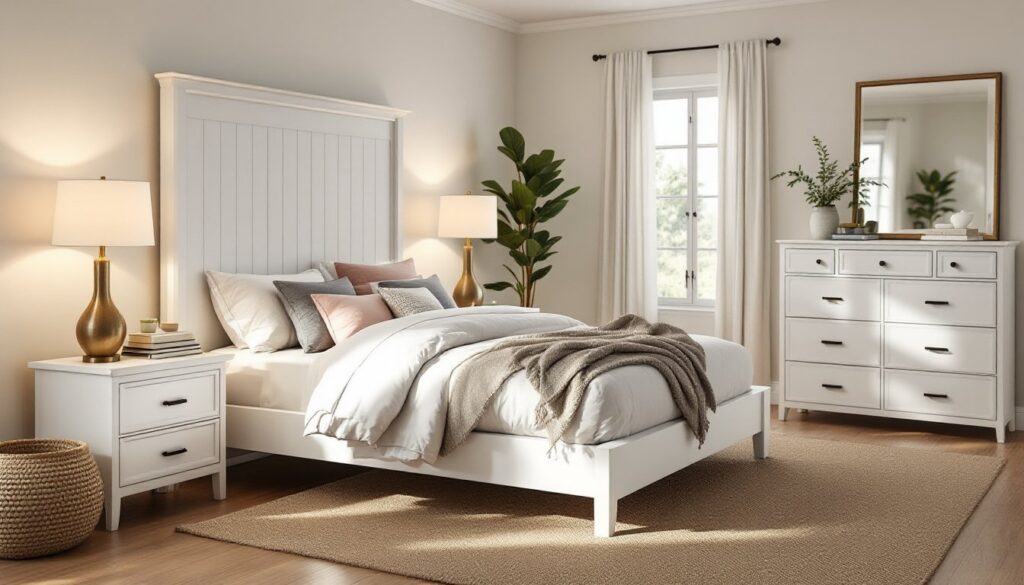
A white bedroom furniture set built around a queen bed brings versatility and visual breathing room to nearly any space. Whether the room is 10×12 feet or closer to 14×16, white furniture reflects light, makes ceilings feel higher, and provides a neutral foundation that adapts as tastes change. Unlike darker wood tones that anchor a room to a specific era or style, white sets work with coastal themes, modern minimalism, farmhouse aesthetics, or traditional decor. For DIYers and homeowners planning a refresh, understanding what to look for in materials, finishes, and configuration ensures the set lasts through multiple redecorating phases without feeling dated.
Table of Contents
ToggleKey Takeaways
- A white bedroom furniture set for a queen bed brings versatility and light-reflecting properties that make any room feel more spacious and adapt to multiple design styles from coastal to modern minimalism.
- Essential pieces in a queen furniture set include a bed frame, pair of nightstands, dresser, and optional chest of drawers—prioritize solid wood construction with dovetail joints and metal drawer glides for longevity.
- Material choice matters: solid wood is most durable and refinishable, while engineered wood with veneer offers affordability, and particleboard is suitable only for temporary or guest room setups.
- White furniture finishes like semi-gloss paint and satin sheens are easiest to maintain and hide wear better than high-gloss lacquer, which requires careful handling and professional refinishing for damage repair.
- Styling a white bedroom set requires layering texture, lighting, and contrast through throw blankets, wood accents, hardware upgrades, and strategically placed rugs to prevent a sterile appearance.
- Wall color matters—pair white furniture with warm whites, soft grays, or muted tones rather than stark white to avoid a washed-out look and enhance the room’s cohesive design.
Why White Bedroom Furniture Sets Are Perfect for Queen Beds
Queen beds measure 60 inches wide by 80 inches long, making them the most common adult mattress size in North America. They fit comfortably in rooms as small as 10×10 feet, but leave enough floor space for nightstands, dressers, and walking clearance when paired with appropriately scaled furniture.
White finishes amplify natural and artificial light, which is especially valuable in rooms with limited window area or north-facing exposures. This reflective quality makes small bedrooms feel less cramped and large bedrooms feel airy rather than cavernous. White furniture also hides wear differently than dark wood: scratches and dings often appear less stark, and touch-up is simpler with widely available white furniture markers or paint pens.
From a design flexibility standpoint, white acts as a true neutral. Bedding, wall color, and accent pieces can shift from navy and brass to blush and gold without requiring new furniture. Homeowners who repaint every few years or swap seasonal textiles appreciate not being locked into a single palette. White sets also photograph well, which matters for resale staging or rental listings where bright, neutral spaces appeal to the widest audience.
Essential Pieces in a White Queen Bedroom Furniture Set
Most white queen bedroom sets include three to five core pieces. Knowing what each contributes helps prioritize budget and space.
Queen bed frame or platform bed: The anchor piece. Platform beds with built-in slat systems eliminate the need for a separate box spring, while traditional frames require a foundation. Storage beds with drawers or lift-up hydraulic platforms add function in smaller rooms. For DIYers with basic carpentry skills, building a platform bed frame using pocket-hole joinery and poplar or pine can be a weekend project. Finish with semi-gloss white paint for easy wipe-down.
Nightstands (pair): Typically 24 to 28 inches tall to align with standard mattress height. Look for at least one drawer plus a lower shelf for charging cables, books, and a lamp. Depth should be 16 to 18 inches to avoid blocking walking paths in tighter rooms.
Dresser: A six- or seven-drawer dresser measures roughly 60 inches wide by 18 inches deep by 32 inches tall, offering substantial clothing storage without overwhelming the room. This piece often anchors a wall opposite the bed or flanks a window. Dovetail drawer construction and smooth-gliding metal slides (not plastic tracks) signal better longevity.
Chest of drawers (optional): A tall, narrow five-drawer chest (32 inches wide by 18 inches deep by 48 inches tall) fits into corners or beside closets. It’s useful for folded items, linens, or seasonal clothing. If floor space is tight, prioritize either the dresser or the chest, rarely both.
Mirror: Dressers often pair with a matching framed mirror (36 to 48 inches wide). Mounting hardware varies: use appropriate wall anchors (toggle bolts for drywall, wood screws into studs) and check that the mirror weighs less than the anchor rating.
Some sets add armoires, vanities, or upholstered benches. These are nice-to-haves unless closet space is minimal or the room serves double duty as a dressing area.
Choosing the Right Style for Your White Bedroom Set
White furniture spans a wide aesthetic range. Choosing a style that aligns with the home’s architecture and existing finishes prevents a disjointed look.
Modern and Contemporary White Finishes
Modern white bedroom sets emphasize clean lines, minimal ornamentation, and often incorporate metal or glass accents. Case pieces feature flat-panel drawer fronts, integrated handles (finger pulls routed into the edge), or sleek bar pulls in brushed nickel or matte black.
Finishes: High-gloss lacquer or matte powder-coated surfaces. Lacquer requires careful handling during assembly, scratches are permanent and difficult to repair without professional refinishing. Matte finishes hide fingerprints and minor scuffs better but may show water rings if beverages sit directly on the surface.
Materials: Engineered wood (MDF or particleboard) with melamine or thermofoil facing is common in budget-to-mid-range modern sets. These are stable in climate-controlled environments but swell if exposed to moisture. Solid hardwood frames with veneer panels offer better durability and weight capacity.
Contemporary sets work well in open-plan homes, lofts, and spaces with large windows. They pair naturally with platform beds, low-profile upholstered headboards, and geometric lighting.
Traditional and Vintage-Inspired Options
Traditional white furniture incorporates turned legs, crown molding atop dressers, beveled drawer fronts, and sometimes distressed or antiqued finishes. These details reference French provincial, cottage, or American colonial styles.
Finishes: Painted white over solid wood or wood veneer, often with a satin sheen. Distressing (light sanding along edges to reveal wood or a contrasting base color) adds a lived-in, farmhouse aesthetic. This finish is forgiving, small dings blend into the intentional wear.
Hardware: Ceramic knobs, antique brass pulls, or oil-rubbed bronze handles. Swapping hardware is a simple DIY upgrade if the original pieces feel too generic. Standard drawer-pull spacing is 3 or 3.75 inches on center: verify before buying replacements.
Vintage-inspired sets suit homes with board-and-batten walls, shiplap, crown molding, or other period details. They also complement floral textiles, layered rugs, and softer color palettes. When browsing design galleries for inspiration, resources like Homify showcase how traditional white furniture anchors various room layouts.
Material and Finish Considerations for Durability
Not all white bedroom furniture is built equally. Materials and construction methods directly impact how long the set lasts and how it weathers daily use.
Solid wood (poplar, pine, oak, maple): Heaviest and most durable. Solid wood accepts paint well and can be refinished multiple times. Expect slightly higher cost and weight. Drawers should feature dovetail or mortise-and-tenon joints, hallmarks of quality cabinetry.
Engineered wood with veneer: MDF or plywood core topped with a thin layer of real wood veneer, then painted. This is lighter and more affordable than solid wood. Quality veneer furniture resists warping better than particleboard but can’t be sanded down aggressively if the finish is damaged.
Particleboard or MDF with laminate: Common in budget sets. These pieces are lightweight and cost-effective but have lower weight capacities and shorter lifespans. Laminate edges can peel if exposed to humidity (think basements or coastal climates). They’re acceptable for guest rooms or temporary setups but may not survive a move.
Finish type: Semi-gloss and satin paints are easiest to wipe clean. Flat paint absorbs spills and scuffs more readily. If purchasing unfinished furniture or refinishing an older set, use a bonding primer (like Zinsser B-I-N shellac-based or Sherwin-Williams PrepRite ProBlock) followed by two coats of alkyd or acrylic enamel. Allow 72 hours of cure time before placing objects on painted surfaces to prevent indentations.
Drawer glides: Metal ball-bearing slides are quieter and smoother than plastic tracks. Full-extension glides allow access to the entire drawer, which is helpful for deep dressers. Soft-close mechanisms add convenience and reduce slamming wear on joints.
Weight capacity: Check manufacturer specs for bed frames. A queen platform bed should support at least 1,000 pounds (mattress, box spring if used, and occupants). Reinforced center support beams or a center leg are necessary for frames longer than 60 inches to prevent sagging.
For a hands-on project, some builders create custom storage beds using modular cube units. A DIY queen storage bed using cube shelving as the base offers both platform support and cubby storage, and can be painted white to match standalone nightstands or dressers.
Styling Tips to Maximize Your White Bedroom Furniture
White furniture’s neutrality is an asset, but without layering and contrast, rooms can feel sterile or flat. Here’s how to add depth without cluttering the space.
Introduce texture: Linen duvet covers, chunky knit throws, jute rugs, and woven baskets break up the smoothness of painted wood. Texture adds visual interest without color, keeping the palette calm.
Layer lighting: White furniture reflects light, so use that to your advantage with multiple light sources. A table lamp on each nightstand, a pendant or chandelier overhead, and perhaps a floor lamp in a reading corner create dimension. Choose bulbs in the 2700K to 3000K range (warm white) to keep the room cozy rather than clinical.
Add contrast with hardware and accents: Swap generic chrome knobs for matte black, brushed gold, or leather-wrapped pulls. This small change personalizes the set and ties it into other finishes (faucets, light fixtures, curtain rods).
Use rugs to define zones: A 5×8-foot or 8×10-foot rug placed under the bed (with 18 to 24 inches extending beyond the sides and foot) grounds the furniture grouping and adds warmth underfoot. Natural fiber rugs (jute, sisal) suit casual or coastal styles: plush wool or synthetic blends fit traditional or modern rooms.
Lean into seasonal flexibility: White furniture tolerates bold accent colors. Swap pillow covers, throws, and artwork seasonally, navy and coral in summer, rust and olive in fall, without repainting walls or replacing furniture.
Incorporate wood tones: White doesn’t have to be monolithic. A reclaimed wood headboard, live-edge bench, or bamboo blinds add warmth and prevent the space from feeling too sterile.
Mind the wall color: Pure white furniture against stark white walls can wash out. Consider warm whites (creamy or ivory undertones) or soft grays, blues, greens, or beiges on the walls. Test paint samples in the room’s natural light before committing to a gallon.
Keep surfaces mostly clear: White furniture shows dust more readily than darker tones. A weekly dusting with a microfiber cloth and occasional wipe-down with a damp (not wet) cloth keeps finishes looking fresh. Avoid harsh cleaners or abrasive sponges that scratch paint.
White bedroom furniture sets for queen beds offer lasting value and design flexibility for homeowners willing to invest in solid construction and thoughtful styling. With attention to material quality, finish durability, and proportional scaling, these sets adapt through years of evolving tastes and room reconfigurations.