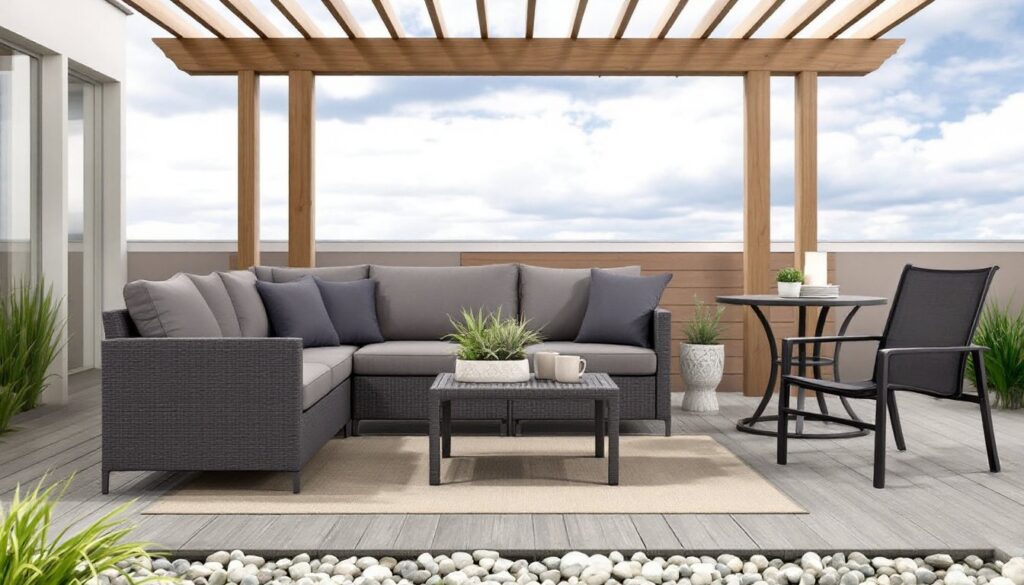
The right outdoor furniture doesn’t just fill a patio, it turns neglected square footage into a functional living area. Terra patio furniture has built a reputation for balancing durability with design, offering collections that hold up to UV exposure, humidity, and the daily chaos of family life. Whether someone’s outfitting a postage-stamp balcony or a sprawling deck, understanding what Terra brings to the table (literally) helps narrow down choices before stepping foot in a showroom or clicking “add to cart.” This guide covers materials, styles, selection criteria, and the maintenance work that keeps outdoor furniture looking showroom-fresh season after season.
Table of Contents
ToggleKey Takeaways
- Terra patio furniture balances durability and contemporary design by using powder-coated aluminum, UV-stabilized resin wicker, and treated steel components that withstand weather exposure without constant maintenance.
- Modular configurations allow terra patio furniture pieces to rearrange and adapt to evolving outdoor layouts, making them ideal for spaces that need to function for dining, lounging, and entertaining.
- Proper measurements and ergonomic planning prevent costly mistakes—allow 36 inches minimum for walkways, match furniture heights to activities (14–17 inches for lounging, 17–19 inches for dining), and verify weight capacity before purchasing.
- Replaceable, removable cushion covers made from solution-dyed acrylic fabrics significantly reduce maintenance costs when spills or damage occurs compared to reupholstering entire pieces.
- Consistent weekly rinsing, monthly deep cleaning with oxygen bleach, and seasonal preparation extend the lifespan of terra furniture to 7–10 years of reliable service.
- Metal and aluminum dining sets suit uncovered patios better than wicker, while synthetic wicker collections perform best under covered areas with proper cushion storage during extended wet periods.
What Is Terra Patio Furniture?
Terra patio furniture refers to outdoor furniture collections designed and marketed under the Terra brand, typically found at major home goods retailers. These pieces emphasize weather-resistant construction, low-maintenance finishes, and contemporary styling that bridges traditional and modern aesthetics.
Most Terra collections use powder-coated aluminum frames, UV-stabilized resin wicker, or treated steel components. The brand positions itself in the mid-range price bracket, above big-box basics but below high-end designer lines. Homeowners find Terra pieces at retailers specializing in home goods patio selections, often alongside complementary planters, cushions, and outdoor rugs.
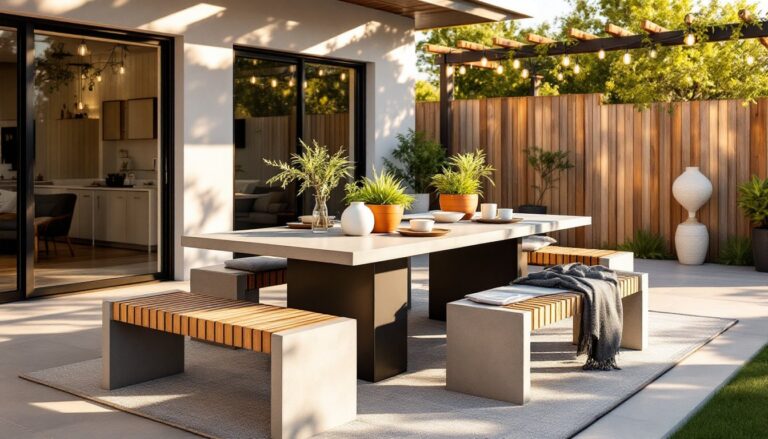
Terra’s design language leans toward clean lines, neutral color palettes (grays, taupes, blacks), and modular configurations. Many sets feature interchangeable components, so a loveseat, corner section, and ottoman can rearrange to fit evolving layouts. This modularity matters when outdoor spaces pull double duty for dining, lounging, and entertaining.
Why Choose Terra Patio Furniture for Your Outdoor Space
Terra furniture addresses three common pain points: weather resistance, style coherence, and maintenance overhead. Unlike untreated wood that demands annual sealing or cheap resin that cracks after one winter, Terra’s materials withstand freeze-thaw cycles, salt air, and full-sun exposure without constant upkeep.
The powder-coated finishes resist chipping and rust. Aluminum frames won’t corrode like raw steel, and they’re light enough for one person to rearrange when hosting or chasing shade. Wicker pieces use high-density polyethylene (HDPE) strands woven over rust-proof frames, no splinters, no fading to that washed-out beige.
From a design standpoint, Terra collections coordinate easily with existing hardscaping. The neutral tones complement natural stone pavers, composite decking, or stained concrete. Homeowners appreciate that they can mix patio furniture styles without creating a visual patchwork, especially when adding pieces over time or hunting for deals during clearance events.
Another practical advantage: replaceable cushions. Most Terra seating uses Sunbrella or equivalent solution-dyed acrylic fabrics with removable, zippered covers. When a cushion takes a wine spill or a dog decides it’s a bed, replacing the cover costs less than reupholstering or trashing the entire chair.
Popular Terra Patio Furniture Styles and Materials
Terra’s product lines fall into two dominant categories, each with distinct construction methods and aesthetic outcomes.
Wicker and Rattan Collections
Synthetic wicker, often marketed as “all-weather wicker”, dominates Terra’s lounge seating. The material mimics natural rattan but uses extruded HDPE resin woven around a welded aluminum frame. This construction resists moisture infiltration that rots natural fibers and prevents the frame rust that plagues cheaper steel-framed knock-offs.
Typical wicker collections include modular sectionals, club chairs, and coffee tables with tempered glass tops. The glass is usually 5mm thick with polished edges and sits in a recessed frame channel, stable enough for a tray of drinks but removable for cleaning.
Wicker pieces work best on covered patios or under pergolas. While the material itself handles rain, the cushions need storage or weatherproof covers during extended wet periods. Homeowners in high-humidity climates should elevate wicker furniture on non-slip furniture pads to promote airflow underneath and prevent mildew on the patio surface.
Metal and Aluminum Options
Terra’s metal dining sets and bistro collections use powder-coated aluminum or steel with a rust-inhibiting finish. Aluminum pieces weigh roughly 40% less than comparable steel furniture, making them easier to move but more prone to tipping in high winds (stake-down kits or weighted bases solve this).
Metal furniture suits uncovered spaces better than wicker. Rain sheets off, and there are no cushions to manage. Dining chairs often feature sling-style seats made from PVC-coated polyester mesh, it dries quickly, doesn’t trap heat like solid surfaces, and supports up to 250 pounds per seat.
Tables in metal collections typically have stamped or cast aluminum tops with an embossed pattern. Avoid placing hot cookware directly on these surfaces: the powder coating can discolor above 200°F. Use trivets or heat-resistant mats if the patio doubles as a grilling zone.
For design flexibility, metal pieces pair well with various outdoor styles, from industrial-modern spaces with concrete planters to cottage gardens with climbing vines. The material reads as understated rather than thematic, so it won’t clash if landscape aesthetics shift.
How to Select the Right Terra Patio Furniture for Your Home
Choosing outdoor furniture isn’t about picking the prettiest set, it’s about matching material properties and dimensions to how the space actually gets used.
Measure the footprint first. A common mistake: buying a sectional that technically fits but leaves no circulation space. Allow 36 inches minimum for walkways around seating areas and 42 inches behind dining chairs so people can push back without hitting a railing or planter.
Consider sun exposure. Full-sun patios need UV-stabilized materials and fade-resistant cushion fabrics. If the space bakes for six-plus hours daily, metal furniture stays cooler to the touch than dark wicker (though both heat up, nobody’s sitting on black aluminum at 2 PM in July without a towel).
Match furniture height to activity. Lounge seating sits 14–17 inches off the ground with deep seats (24+ inches) for reclining. Dining chairs sit 17–19 inches high to pair with tables at 28–30 inches. Mixing these heights creates awkward ergonomics, nobody wants to eat dinner hunched over a coffee table.
Check weight capacity on sectionals. Modular pieces often have lower per-seat capacities than standalone chairs because the frame distributes load across connection points. If the household includes larger adults or the furniture will see heavy use during parties, verify each section supports at least 300 pounds.
Plan for storage or covers. Even weather-resistant furniture lasts longer with seasonal protection. Measure storage spaces (shed, garage, basement) before buying. If storage isn’t an option, budget for heavy-duty covers (not the flimsy tarps that shred in one windstorm). Quality covers use 600-denier polyester with reinforced seams and buckle straps.
Test before buying when possible. Showroom visits reveal whether cushions are firm or plush, whether chair arms hit at a comfortable height, and whether the furniture feels stable or wobbly. Some top-rated outdoor furniture looks great in photos but disappoints in person, better to discover that before it’s unboxed on the driveway.
Maintaining and Caring for Your Terra Patio Furniture
Outdoor furniture marketed as “low-maintenance” still needs routine care. Neglect turns even premium materials grimy and shortens lifespan.
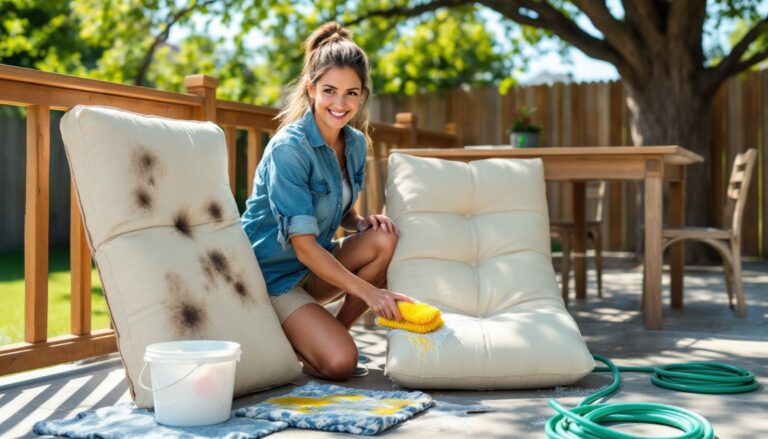
Weekly: Quick clean. Hose down furniture to remove pollen, dust, and bird droppings. Use a soft-bristle brush (not wire, it scratches powder coating) with mild dish soap for stuck-on debris. Rinse thoroughly: soap residue attracts dirt.
Monthly: Deep clean. Mix 1/4 cup oxygen bleach (not chlorine bleach, which degrades synthetic wicker) per gallon of warm water. Scrub frames, wicker, and table surfaces. For metal furniture, inspect joints and screw holes for early rust spots. Treat with a rust converter or touch-up paint before corrosion spreads.
Cushion care. Remove covers and machine-wash on cold/gentle cycle. Air-dry only, high heat shrinks acrylic fabric and warps foam inserts. For non-removable cushions, spot-clean with upholstery cleaner and prop vertically to dry completely. Store cushions in breathable storage bags (not plastic bins, which trap moisture and encourage mildew).
Seasonal: Prep for winter. In freezing climates, bring cushions indoors. Tilt chairs and tables to prevent water pooling in frame crevices. If leaving furniture outside, apply a UV protectant spray to wicker and fabric (reapply per product instructions, usually every 3–6 months). Tighten all bolts and screws, temperature swings cause metal to expand and contract, loosening connections.
Repairs. Wicker strands occasionally snap. Replacement strands are available online: soften the new strand with a heat gun and weave it through the frame, securing ends with outdoor-grade adhesive. For torn mesh seats, replacement slings install with spring clips or screws (specific to the chair model, check manufacturer resources).
Safety note: Always wear work gloves when handling furniture with sharp edges or rust spots, and use safety glasses if applying rust treatments or sprays.
With consistent care, quality Terra patio furniture delivers 7–10 years of reliable service, plenty of time to host countless dinners, afternoon reads, and morning coffees before needing replacement.