Woodard patio furniture isn’t just outdoor seating, it’s a piece of mid-century American craftsmanship that’s stood the test of time. For decades, these wrought iron and aluminum pieces graced porches, patios, and poolsides, offering durability that most modern furniture can’t match. Today’s vintage Woodard market offers homeowners a chance to own furniture that’s both functional and collectible, often at a fraction of what comparable artisan metalwork would cost new. Whether someone’s restoring a 1950s bungalow or adding character to a modern deck, vintage Woodard furniture delivers style and substance without the disposable mindset of contemporary patio sets.
Table of Contents
ToggleKey Takeaways
- Vintage Woodard patio furniture represents mid-century American craftsmanship with welded frames and hand-applied finishes that offer superior durability compared to modern outdoor seating.
- Authentic vintage Woodard pieces can be identified by manufacturer stamps (typically on chair undersides), professional welds, thicker wrought iron stock (5/8 to 3/4 inch), and substantial weight requiring two-handed lifting.
- Vintage Woodard patio furniture such as Chantilly Rose or Florentine patterns can appreciate in value or maintain collectibility, with original five-piece sets fetching $800–$1,500 in good condition.
- Restoring vintage Woodard furniture involves removing surface rust with a wire brush, applying rust-inhibiting primer in two coats, and finishing with hammered spray paint or DTM enamel for weather protection.
- Estate sales, online marketplaces (Facebook Marketplace, Craigslist), antique malls, and mid-century specialty auctions are prime sources for finding authentic vintage Woodard patio furniture.
- Vintage Woodard pieces style effectively in both traditional and modern outdoor spaces when paired with complementary cushion colors, weatherproof accessories, and appropriate patio dimensions of 10×10 feet or larger.
What Makes Woodard Patio Furniture a Vintage Treasure
Founded in 1866, Woodard Furniture Company built its reputation on manufacturing processes that prioritized longevity over cost-cutting. The company’s golden era, roughly 1950 through 1970, produced wrought iron and tubular aluminum furniture with hand-applied finishes and intricate scrollwork that required skilled metalworkers.
The construction methods set Woodard apart. Frames were welded, not bolted, creating single-piece structures that didn’t loosen over decades of use. Wrought iron pieces often weigh 40-60 pounds per chair, compared to 15-20 pounds for typical modern aluminum frames. That heft translates to stability in wind and resistance to tipping.
Vintage Woodard furniture also features electrostatic powder coating applied over rust-resistant primers, a finishing process that creates a harder, more durable surface than spray paint. Even pieces left outdoors for years often retain their finish integrity under surface rust.
The collectibility factor drives value too. Certain patterns, like Florentine, Chantilly Rose, and Andalusian, command premium prices because they represent peak mid-century design. An original five-piece Chantilly Rose dining set in good condition can fetch $800-$1,500, while reproductions or modern equivalents might run $1,200-$2,000 new with far less durability.
For DIYers considering patio furniture investments, vintage Woodard offers restorable quality that improves rather than depreciates with proper care.
How to Identify Authentic Vintage Woodard Pieces
Authentication starts with the manufacturer’s mark. Woodard stamped or cast its logo into frames, typically on the underside of chair seats or table aprons. Pre-1960 pieces often show “Woodard Furniture Co. Owosso, Mich.” in raised or stamped lettering. Later pieces may read simply “Woodard” with a style number.
Check welds and joints carefully. Authentic Woodard frames show smooth, professional welds with minimal grinding marks. The wrought iron stock used in vintage pieces measures 5/8 inch to 3/4 inch diameter for structural elements, thicker than most reproduction frames. Knock-offs often use thinner tubing (1/2 inch or less) with visible gaps at joints.
Weight is a dead giveaway. If a dining chair feels light enough to lift with one finger, it’s not vintage wrought iron Woodard. Original pieces require a two-handed lift.
Signature Design Elements and Patterns
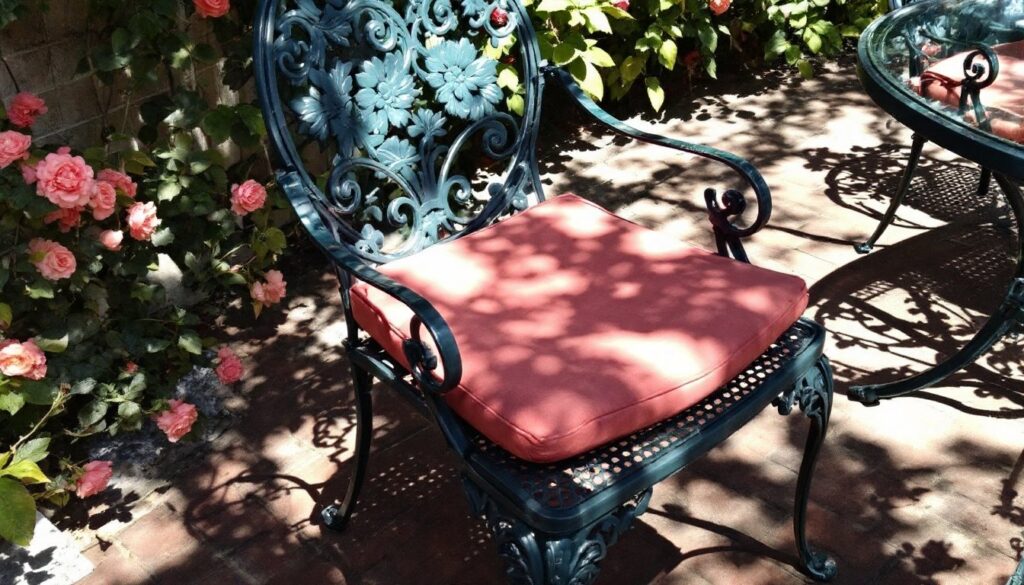
Woodard’s design language includes several recognizable motifs. The Florentine pattern features grape clusters and vine leaves in three-dimensional relief. Chantilly Rose displays stylized roses with scrolling stems. Andalusian incorporates geometric lattice work with Moorish influences.
Look for hand-finished details. Vintage pieces show slight variations in scrollwork, evidence of hand-bending and fitting. Cast aluminum pieces (introduced in the 1960s) display crisp, consistent patterns with smooth backs where molds parted.
Cushion clips offer another clue. Original Woodard spring clips are heavy-gauge steel, often coated to match the frame. They attach with carriage bolts or rivets, not sheet metal screws. Reproductions frequently use lighter clips fastened with Phillips-head screws.
Seat construction varies by era. Earlier wrought iron chairs (pre-1955) often have woven metal mesh seats. Later models incorporated perforated metal or spring bases designed for cushions. The outdoor furniture evolution reflects these manufacturing shifts across the industry.
Where to Find Vintage Woodard Patio Furniture
Estate sales in suburban neighborhoods built between 1950-1970 are prime hunting grounds. These homes often have original patio furniture stored in garages or basements. Arrive early, serious collectors know what they’re looking for and won’t hesitate on a good set.
Online marketplaces like Facebook Marketplace, Craigslist, and estate sale aggregators list vintage Woodard regularly. Search terms like “wrought iron patio furniture,” “mid-century outdoor furniture,” and “vintage woodard patio furniture” will surface listings. Be prepared to drive, sellers rarely ship heavy wrought iron pieces.
Antique malls and architectural salvage yards occasionally stock Woodard pieces, though expect higher prices than private sales. Dealers typically research values and price accordingly. The upside? Pieces in antique malls are often already cleaned and assessed for damage.
Auction houses specializing in mid-century furnishings sometimes feature Woodard lots. Online auctions through platforms like Everything But The House (EBTH) or Bidsquare expand the search radius but require careful attention to condition reports and shipping logistics.
Reunion and restoration businesses that specialize in vintage patio furniture maintain inventory of authenticated pieces. These vendors often provide guarantees and may offer refinishing services, but prices reflect the expertise and labor involved.
When evaluating clearance outdoor furniture options, vintage Woodard competes favorably on both price and longevity against heavily discounted modern sets that may only last a few seasons.
Restoring and Caring for Your Vintage Woodard Furniture
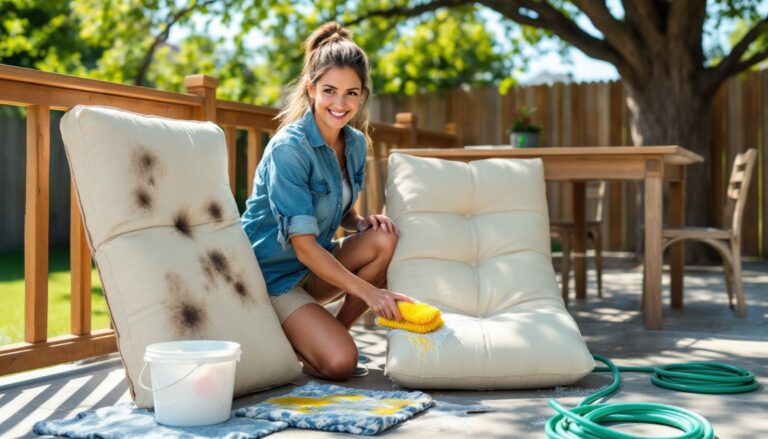
Surface rust is common and fixable. Start with a wire brush attachment on a drill to remove loose rust and flaking finish. Work outdoors, this process creates iron oxide dust that stains concrete and irritates lungs. Wear a respirator rated for metal dust, safety glasses, and gloves.
For stubborn rust, apply a naval jelly or phosphoric acid-based rust converter according to manufacturer directions. These products chemically convert iron oxide to a stable compound that can be painted over. Let the converter work for 20-30 minutes, then scrub with a brass wire brush and rinse thoroughly with water.
Once the frame is clean and dry, inspect welds and joints for cracks or separation. Small cracks in wrought iron can be welded by a mobile welding service, expect $75-150 for on-site repairs depending on the extent of damage. If the frame is structurally sound, proceed to refinishing.
Refinishing Wrought Iron Frames
Primer is non-negotiable for outdoor metal. Use a rust-inhibiting metal primer like Rust-Oleum’s Clean Metal Primer or Corroseal. Apply with a brush to reach all the scrollwork details, spray cans miss crevices where moisture hides. Two coats of primer provide adequate protection: let each coat dry 4-6 hours.
Topcoat options depend on the desired look. Hammered finish spray paint mimics the original Woodard texture and hides minor surface imperfections. Gloss or semi-gloss direct-to-metal (DTM) enamels offer maximum durability. Apply 2-3 light coats rather than one heavy coat to avoid runs in vertical sections.
For best results, work in temperatures between 50-85°F with low humidity. Paint cures slowly in cold or damp conditions, leaving the finish tacky and prone to debris.
Cushions are usually beyond saving on vintage finds. Measure the seat and back dimensions, then have custom cushions made from Sunbrella or similar solution-dyed acrylic fabric. These materials resist UV fading and mildew far better than cotton or polyester blends. Local upholstery shops can fabricate cushions for $40-80 per piece depending on size and complexity.
Ongoing maintenance is minimal. Hose off frames monthly during the outdoor season to remove pollen and dirt. Touch up any paint chips immediately with a small brush to prevent rust from starting. Store cushions indoors or in a deck box when not in use, even outdoor fabric degrades faster when left in constant sun and rain.
Many woodworking and restoration enthusiasts tackle these projects in a weekend with basic tools and attention to surface prep.
Styling Your Outdoor Space with Vintage Woodard Pieces
Vintage Woodard furniture pairs well with both traditional and eclectic outdoor design schemes. The ornate scrollwork of patterns like Chantilly Rose complements cottage gardens, brick patios, and spaces with climbing roses or wisteria. For a cohesive look, match cushion colors to garden blooms, deep coral for rose gardens, sage green for herb borders.
In modern or minimalist settings, Woodard’s simpler patterns like Sculptura or Pinecrest provide visual interest without overwhelming clean lines. Powder-coat frames in matte black or charcoal gray for a contemporary feel, and pair with solid-colored cushions in neutrals or a single accent color.
Mixing Woodard pieces with other materials creates depth. A wrought iron dining set looks grounded when placed on a flagstone or brick patio rather than composite decking. Pair Woodard chairs with a wood-top table for textural contrast, or use vintage pieces as accent seating alongside modern sectionals.
Lighting enhances the decorative elements. String lights or lanterns highlight scrollwork shadows at night, turning functional furniture into architectural features. For covered porches, consider the layered approach favored in southern outdoor living, ceiling fans, pendant lights, and table lamps create rooms rather than just seating areas.
Scale matters with these substantial pieces. Vintage Woodard chairs often have wider profiles than modern seating, account for 24-26 inches per chair when planning table size and patio layout. A five-piece dining set needs a minimum 10×10 foot clear area for comfortable movement.
Accessorize with weatherproof rugs, ceramic garden stools, and planters that echo the furniture’s era. Mid-century ceramic planters in turquoise or chartreuse complement the period aesthetic without looking like a theme park.