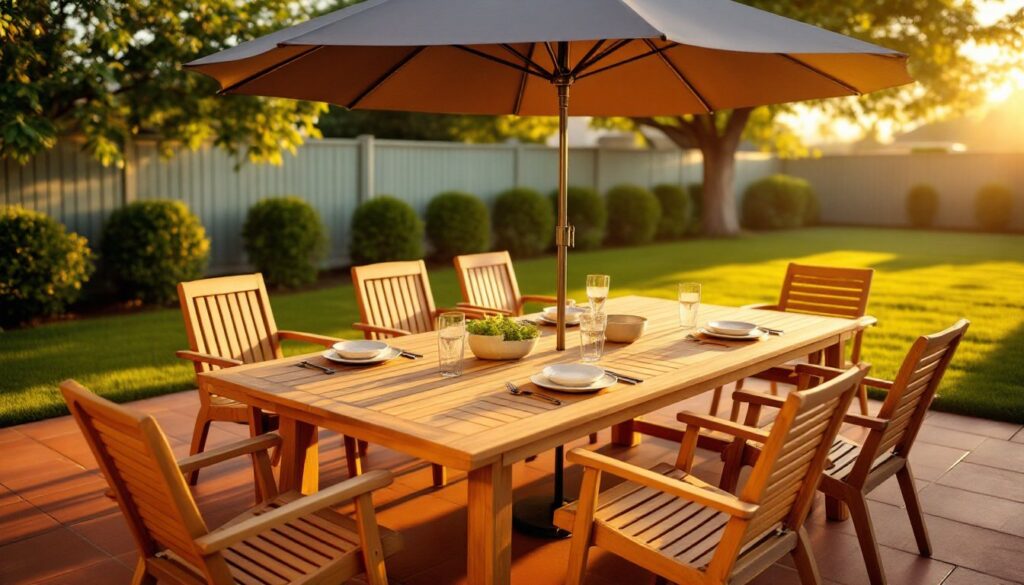
Picking the right patio table isn’t just about filling empty deck space, it’s about creating a functional zone where morning coffee, weeknight dinners, and weekend barbecues actually happen. A poorly chosen table wobbles, weathers badly, or sits too high for your chairs. A well-chosen one becomes the anchor of your outdoor living area for years. This guide walks through the design decisions, material trade-offs, and practical considerations that separate a solid investment from a seasonal regret.
Table of Contents
ToggleKey Takeaways
- A well-chosen table patio furniture piece serves as the anchor of your outdoor living area, with dining height (28–30 inches) enabling comfortable meals and proper 10–12 inches clearance between seats and tabletop.
- Material selection is critical: teak and cedar offer durability for wood, aluminum is lightweight and rust-proof, resin wicker resists UV damage, and composite materials won’t splinter—each requires different maintenance routines.
- Proper sizing prevents your table from dominating or being ignored; a 60-inch round table seats six comfortably with 36 inches of walkway space, while 24 inches of table edge per person ensures adequate elbow room.
- Monthly cleaning with mild soap, annual wood sealing, and immediate touch-ups of powder-coated chips extend your table’s lifespan and maintain its appearance far beyond one season.
- Pair umbrellas and shade strategically—a 9-foot umbrella works best for 48-inch tables, and bases need at least 50 pounds to prevent tipping from wind.
- Invest in breathable, UV-resistant covers and off-season storage to prevent moisture accumulation and rust, protecting your outdoor furniture investment through harsh weather cycles.
Why Table Patio Furniture Is Essential for Outdoor Living Spaces
A patio without a table is just a walkway with chairs. The table defines how the space gets used, whether it’s a place to eat, work on a laptop, or lay out craft supplies for the kids.
Functionality first. A dining-height table (28–30 inches) lets you host meals outdoors without balancing plates on laps. A coffee table (16–18 inches) anchors a lounge setup but won’t work for dinner. Scale matters: a 60-inch round table seats six comfortably: a 36-inch bistro table seats two at most.
Weather exposure. Unlike indoor furniture, patio tables face UV degradation, rain, temperature swings, and wind. Materials that work indoors, particleboard, untreated pine, cheap hardware, fail quickly outside. Choosing weather-resistant materials and finishes upfront saves money and aggravation.
Resale and usability. A quality outdoor table adds functional square footage to your home. Buyers notice well-maintained outdoor living spaces, especially in markets where mild climates extend the outdoor season. Even if you’re not selling soon, a durable table makes your yard more livable right now.
Types of Patio Tables: Finding the Right Style for Your Space
Patio tables fall into three main categories, each suited to different uses and footprints. Choosing the wrong type means your table either dominates the space or gets ignored.
Dining Tables vs. Bistro Tables vs. Coffee Tables
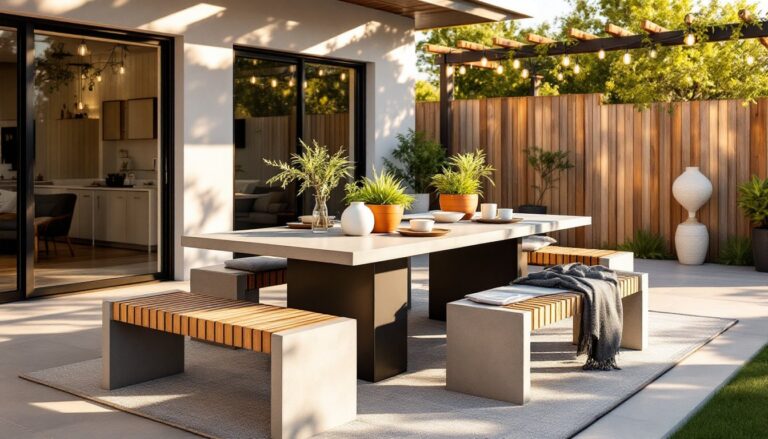
Dining tables are the workhorses. Standard height is 28–30 inches, with diameters or lengths ranging from 48 inches (seats four) to 96 inches (seats ten). Rectangular tables fit against railings or walls: round tables encourage conversation but need more clearance. Allow 36 inches of walkway space around all sides for chair pull-out. Extendable models add flexibility but introduce more joints and hardware that can corrode.
Bistro tables are compact, typically 28–30 inches tall and 24–36 inches across. They seat two, sometimes three if you squeeze. Ideal for balconies, small patios, or secondary seating zones. Pair them with counter-height or standard dining chairs, not lounge chairs.
Coffee tables sit 16–18 inches high and pair with deep-seat lounge furniture. They’re not designed for meals, but they work for drinks, books, or feet. Common sizes run 36–48 inches long. If your patio is lounge-focused, a coffee table makes sense. If you plan to eat outside, it doesn’t replace a dining table.
Bar-height tables (40–42 inches) are less common but useful for poolside or deck setups where you want casual, stand-and-sit mingling. They pair with bar stools and take up less floor space than full dining sets.
Material Matters: Choosing Durable and Weather-Resistant Patio Tables
Material choice determines how your table holds up to sun, rain, and temperature swings, and how much maintenance you’ll do each season. For a deeper look at material options across various outdoor furniture styles, consider balancing aesthetics with your local climate.
Wood, Metal, Wicker, and Composite Options Compared
Wood looks warm and traditional but demands the most upkeep. Teak is the gold standard: naturally oily, rot-resistant, and dense. It weathers to gray unless treated with teak oil annually. Cedar and eucalyptus are lighter, less expensive, and still resist rot, but they’re softer and dent more easily. Avoid pine or untreated hardwoods, they’ll split and rot within two seasons. All wood needs sealing, especially end grain.
Metal tables include aluminum, steel, and wrought iron. Aluminum is lightweight, rust-proof, and easy to move, but it can feel flimsy and dent under impact. Powder-coated steel is sturdier and heavier, but the coating can chip, exposing bare metal to rust. Touch up chips immediately with rust-inhibiting primer. Wrought iron is classic and heavy (good in wind), but it rusts unless properly finished and maintained. Inspect welds and joints annually.
Wicker and resin wicker offer a casual, textured look. Natural wicker deteriorates outdoors, only use it in covered spaces. Resin wicker (polyethylene or PVC) is UV-stabilized and water-resistant. Quality varies widely: cheap resin fades and cracks within a year. Look for hand-woven construction over molded panels. Many wicker tables incorporate an array of patio furniture materials for frames and tabletops.
Composite and HDPE (high-density polyethylene) mimic wood or stone without the rot. Composite blends wood fibers with plastic resins. It won’t splinter, but it can fade and gets hot in direct sun. HDPE is fully synthetic, made from recycled plastic, and highly weather-resistant. It’s heavier than it looks and doesn’t need sealing.
Glass and tile tops are common on metal frames. Tempered glass is safer than annealed (it shatters into small chunks, not shards), but it still scratches and shows water spots. Tile tops are heat-resistant and easy to clean, but grout lines can crack and collect dirt. Manufacturers often include umbrella holes, check the diameter (1.5–2 inches is standard).
How to Match Your Patio Table with Chairs and Accessories
A mismatched table and chair pairing creates ergonomic headaches and makes your patio look unfinished. Proper fit isn’t subjective, it’s geometry.
Seat-to-table clearance should be 10–12 inches. Measure from the chair seat (not armrest) to the table underside. If clearance is less than 10 inches, your knees hit the apron or people can’t scoot in. More than 12 inches and you’re reaching up to eat.
Chair quantity and spacing. Allow 24 inches of table edge per person for elbow room. A 60-inch round table fits six: a 48-inch square seats four comfortably. Don’t forget to account for armrests, they add 4–6 inches per chair and limit how close chairs can nestle under the table.
Mix materials thoughtfully. A teak table pairs naturally with teak chairs, but mixing materials can work: aluminum frames with wood slat seats, or wicker chairs with a tile-top table. Keep finish tones consistent, warm woods with warm metals, cool grays with stainless or matte black.
Umbrellas and shade. If your table includes an umbrella hole, buy the umbrella before finalizing chair count, the pole and crank mechanism take up space. Standard umbrella poles are 1.5 inches in diameter: larger tables may use 2-inch poles. A 9-foot umbrella shades a 48-inch table: use 11 feet for tables over 72 inches. Umbrella bases need to weigh at least 50 pounds for a 9-foot canopy to prevent tipping. If your setup makes finding seasonal outdoor furniture deals a priority, buy matching sets when possible to avoid fit issues.
Weatherproof storage. Unless you live somewhere bone-dry, plan for off-season storage or covers. Furniture covers should be breathable (to prevent mold) and UV-resistant. Cheap tarps trap moisture and accelerate rust and mildew.
Maintenance Tips to Keep Your Table Patio Furniture Looking New
Outdoor furniture doesn’t maintain itself. A few seasonal tasks prevent early replacement and keep your table looking intentional, not neglected.
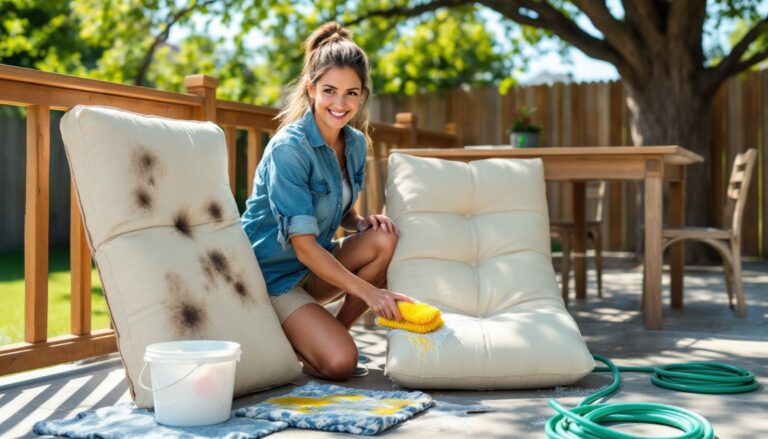
Cleaning basics. Wash tables monthly during use season with mild dish soap and water. Avoid pressure washers on wood, wicker, or powder-coated finishes, they strip sealant and damage weaves. Use a soft-bristle brush for textured surfaces. Rinse thoroughly: soap residue attracts dirt.
Wood care. Sand rough spots with 120-grit sandpaper and reseal annually with exterior wood sealer or teak oil. If your wood has weathered to gray and you want the original color back, use a teak cleaner (oxalic acid-based) before oiling. Check joints and hardware yearly, wood expands and contracts, loosening screws. Tighten or replace as needed.
Metal maintenance. Inspect powder coating for chips. Touch up bare spots with rust-inhibiting spray primer followed by matching topcoat. For aluminum, a coat of car wax twice a year adds UV protection and makes cleaning easier. Steel and iron benefit from a light oil wipe (3-in-1 oil works) on joints to prevent seizing.
Wicker and resin. Vacuum loose dirt from weave crevices, then wash with soapy water. Apply 303 Aerospace Protectant or similar UV protectant spray once a season to slow fading. Check the frame underneath, many resin wicker tables have aluminum or steel cores that can corrode if water gets in.
Glass and tile. Use glass cleaner or a vinegar-water solution (1:1 ratio) for streaks. For tile, reseal grout every two years with exterior-grade grout sealer to prevent staining and cracking. Home design inspiration from sources like Homedit often showcases well-maintained outdoor setups that benefit from these same routines.
Winter storage. If you experience freezing temps, bring cushions indoors and either store tables in a shed or garage, or cover them with breathable, UV-resistant covers. Elevate tables slightly (on wood blocks or pavers) if storing outside to prevent ground moisture from wicking up. Empty umbrella bases and turn tables upside down if leaving uncovered to prevent water pooling.