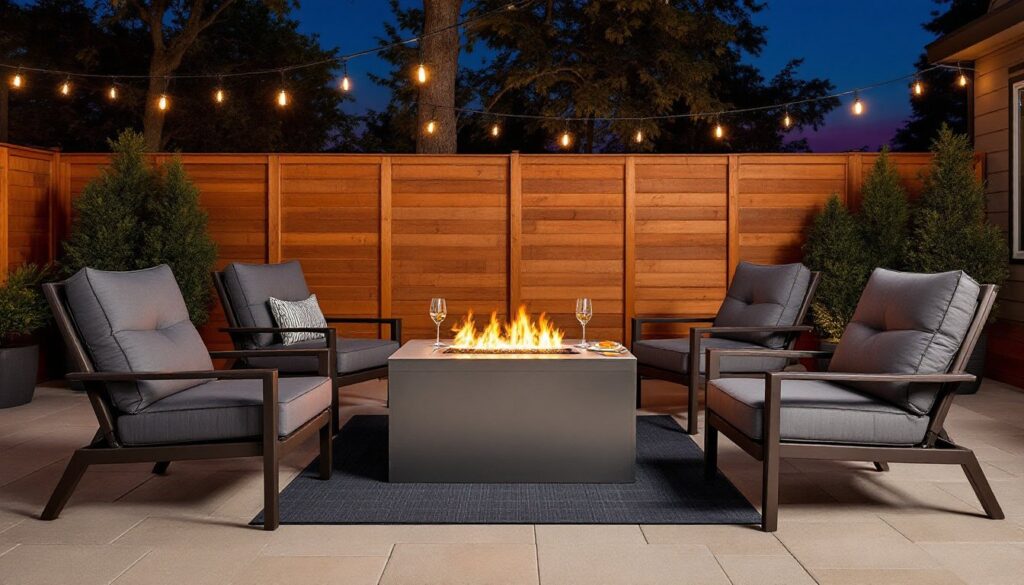
A fire pit changes everything about how a backyard gets used. Instead of heading indoors when the sun drops, homeowners and guests linger outside, drawn by warmth and flickering light. Patio furniture sets with built-in fire pits merge two essential elements, seating and heat source, into one cohesive setup that simplifies layout planning and maximizes usable square footage. These integrated systems eliminate the guesswork of arranging separate chairs around a standalone fire feature, creating intentional gathering zones that work from spring through fall (and beyond in milder climates).
Table of Contents
ToggleKey Takeaways
- Patio furniture sets with fire pits solve spatial planning challenges by engineering proper 24–36 inch clearances into the design, eliminating guesswork while meeting safety guidelines.
- Integrated fire pit patio furniture sets eliminate the need for separate storage by incorporating hidden propane compartments or built-in log storage within the frame.
- Conversation sets (18–20 inch height) suit smaller patios and promote face-to-face interaction, while dining-height sets (28–30 inches) require 7+ feet of clearance and work better for larger outdoor spaces.
- Quality fire pit furniture prioritizes materials like powder-coated aluminum, HDPE wicker, or teak over budget alternatives, with proper construction ensuring 10–15 years of durability.
- Safety certifications (CSA or UL), adequate ventilation (8-foot minimum ceiling with open sides), and fireproof mats positioned 12 inches beyond the fire feature are non-negotiable for hazard prevention.
- BTU output (40,000–50,000 for most applications) and ignition reliability determine heating efficiency, with electronic battery-powered starters offering the best performance in damp conditions.
Why Choose a Patio Furniture Set With a Built-In Fire Pit?
Standalone fire pits demand careful spatial planning, too close to seating and sparks become a hazard, too far and guests can’t feel the warmth. Integrated sets solve this by engineering proper clearances into the furniture arrangement. Most models position chairs 24–36 inches from the flame source, meeting manufacturer safety guidelines while keeping everyone comfortable.
These systems also streamline fuel storage. Many fire pit tables include hidden propane tank compartments beneath the tabletop or within the base, eliminating the need for separate storage sheds or visible tanks. Wood-burning models often incorporate built-in log storage within the frame.
From a design standpoint, integrated sets ensure visual cohesion. The fire pit table serves as the anchor piece, with coordinating chairs upholstered in matching fabrics and frame finishes. This unified look rivals custom outdoor rooms at a fraction of the cost, quality sets start around $1,200 for a four-seat propane configuration, though prices climb to $4,000+ for luxury materials like teak or hand-woven wicker with premium burner systems. Costs vary significantly by region and material grade.
Another practical advantage: portability. Unlike permanent fire features that require gas line trenching or masonry work, most furniture-integrated fire pits operate on portable propane tanks and can be repositioned as landscaping evolves or when moving homes.
Types of Fire Pit Patio Furniture Sets
Conversation Sets With Fire Pit Tables
These configurations prioritize face-to-face interaction, typically seating four to six people in deep-cushioned lounge chairs or loveseats arranged around a low, square, or rectangular fire table. The tabletop surrounds the burner with 8–12 inches of flat surface, enough room for drinks and small plates but not full dinner service.
The fire pit table height usually sits 18–20 inches off the ground, matching standard coffee table dimensions. This low profile encourages relaxed postures and works well on covered patios where overhead clearance might restrict taller flames. Propane burners dominate this category, with BTU outputs ranging from 30,000 to 50,000, adequate for warming a 10–12 foot diameter circle.
Look for models with glass wind guards surrounding the burner. These tempered glass panels shield flames from gusts while maintaining 360-degree visibility. Without wind protection, propane flames dance erratically and lose heat efficiency.
Many homeowners enhance conversation sets with outdoor seating options that complement existing layouts, creating flexible arrangements for larger gatherings.
Dining Sets With Fire Pit Features
Dining-height fire pit sets elevate the fire feature to 28–30 inches, aligning with standard bar-height or counter-height chairs. This configuration transforms outdoor meals, especially during cooler months when traditional patio dining feels rushed.
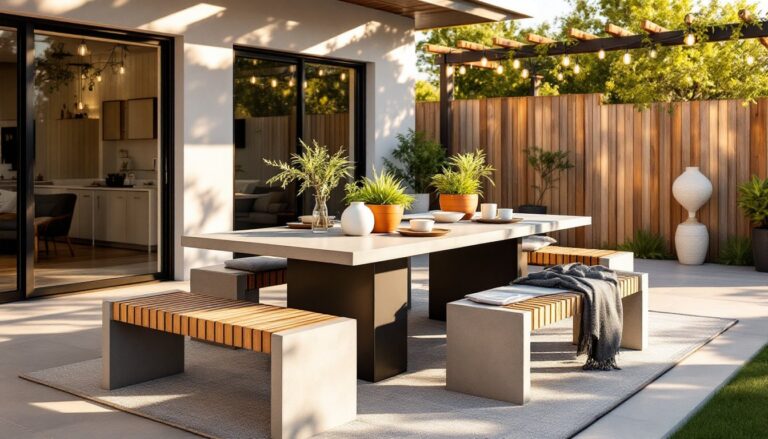
The fire element typically occupies the center third of an elongated rectangular table, leaving end sections for food service. Some designs incorporate removable burner covers that convert the fire pit into additional table space when flames aren’t needed. These dual-purpose surfaces often feature powder-coated aluminum or tile tops that handle hot serving dishes.
Dining sets with fire features require more clearance than conversation arrangements. Plan for at least 7 feet of open space around the table to allow chair movement and safe passage. This makes them better suited for larger patios or decks rather than compact balconies.
Fuel type matters more in dining configurations. Wood-burning models create smoke that can interfere with meals, making propane or natural gas preferable. If connecting to a home’s natural gas line, hiring a licensed plumber ensures code-compliant installation, this isn’t a DIY project in most jurisdictions. The International Fuel Gas Code (IFGC) governs outdoor gas appliance installations, and permits are typically required.
Key Features to Consider When Shopping
BTU output determines heat radius and fuel consumption. A 40,000 BTU burner heats a roughly 10-foot circle, adequate for four to six people in typical weather. Higher outputs (50,000–60,000 BTU) extend the warmth zone but burn through propane faster. A standard 20-pound tank provides approximately 10 hours of burn time at 40,000 BTU.
Ignition systems range from manual match-lighting (increasingly rare) to push-button piezo igniters to electronic battery-powered starters. Electronic systems offer the most reliability in damp conditions and don’t require keeping matches dry.
Burner pan material affects longevity. Stainless steel resists corrosion and maintains heat distribution better than painted steel, which can flake or rust after a few seasons of exposure. Inspect whether the burner pan is removable, this simplifies cleaning ash and debris.
Cushion construction separates budget sets from quality investments. Look for quick-dry foam cores wrapped in water-resistant polyester or solution-dyed acrylic covers. Standard upholstery foam absorbs moisture and develops mildew in outdoor settings. Zipper access to cushion covers allows removal for machine washing or seasonal storage.
Weight capacity per seat matters more than many shoppers realize. Quality chairs rate for 250–300 pounds, while budget models may only support 200 pounds. Check manufacturer specs rather than assuming all outdoor furniture meets the same standards.
Safety certifications provide peace of mind. Fire pit components should meet CSA (Canadian Standards Association) or UL (Underwriters Laboratories) testing for outdoor gas appliances. These markings indicate the burner assembly has passed safety protocols for flame stability, gas flow control, and heat shielding. Design enthusiasts exploring various outdoor aesthetics often prioritize both function and certification when selecting fire features.
Best Materials for Durability and Style
Aluminum frames dominate mid-range sets for good reason. The material won’t rust, weighs less than steel (simplifying rearrangement), and accepts powder coating in dozens of colors. Quality powder coating should be applied after sandblasting, this creates mechanical bonding that resists chipping better than paint. Expect aluminum frames to last 10–15 years with minimal maintenance.
Wicker or resin wicker (properly called polyethylene resin wicker) offers the handcrafted look of natural rattan without the weather vulnerability. High-density polyethylene (HDPE) wicker resists UV degradation and won’t become brittle in cold winters. Lower-grade PVC wicker fades and cracks within three to five seasons. The difference isn’t always obvious at purchase, check if the manufacturer specifies HDPE or all-weather resin in product descriptions.
Steel frames deliver maximum weight capacity and wind resistance but require vigilance against rust. Look for galvanized or stainless steel rather than plain carbon steel. Even with protective coatings, steel furniture benefits from covered storage during winter in humid climates.
Teak represents the premium end for those prioritizing longevity over budget. Old-growth teak contains natural oils that repel moisture and insects. Left untreated, teak weathers to a silvery-gray patina. Annual application of teak oil maintains the original honey-brown color. Genuine teak sets start around $3,500–$5,000 for a four-seat configuration with fire table, but the material can outlast cheaper alternatives by decades.
Fire table surfaces typically use tempered glass, porcelain tile, or concrete composite. Tempered glass adds modern elegance and cleans easily but can show water spots in hard-water regions. Tile surfaces hide imperfections better and can be replaced individually if cracked. Concrete composites offer an industrial aesthetic and handle temperature extremes without cracking, though they require periodic sealing to prevent staining.
Shoppers seeking value can find quality pieces during seasonal transitions by browsing clearance selections, though inspecting materials closely remains critical even on discounted items.
Design Ideas for Your Fire Pit Patio Setup
Clearance compliance isn’t negotiable. Most manufacturers specify minimum distances from combustible surfaces, typically 24 inches from furniture fabrics and 10 feet from structures or overhangs. These aren’t suggestions. Ignoring clearance guidelines creates fire hazards and may void homeowner’s insurance if property damage.
For covered patios, verify ceiling height allows adequate ventilation. Even propane produces carbon monoxide. A minimum 8-foot ceiling clearance with open sides on at least two walls provides sufficient airflow. Fully enclosed spaces require professional ventilation planning.
Surface selection affects both safety and aesthetics. Fire pit sets work best on concrete, pavers, or gravel, materials that won’t ignite from stray sparks or radiant heat. Wooden decks require additional protection. Install a fireproof mat rated for outdoor fire features (not just a generic rug) beneath the entire fire table. These mats typically use silicone-coated fiberglass and extend 12 inches beyond the fire feature perimeter.
Lighting layering enhances usability after dark. String lights or low-voltage LED path lighting illuminates surrounding walkways without competing with the fire’s ambiance. Keep light sources dimmable, the fire pit provides primary illumination once lit.
Accessory storage should be planned simultaneously with furniture placement. A weatherproof deck box positioned within 10 feet of the seating area stores propane tanks, fire glass refills, grill lighters, and cushions during storms. Models with seat tops serve double duty.
For design inspiration, outdoor living resources showcase how homeowners integrate fire pit furniture into broader landscape plans, balancing hardscaping, plant selection, and functional zones.
Wind patterns on your specific property determine optimal furniture orientation. Position seating so prevailing winds push smoke away from chairs rather than directly at guests. This often means placing the fire pit on the windward side of the patio, which contradicts instinct but solves the chronic “smoke follows me” problem.
Scale matching prevents awkward proportions. A massive eight-seat sectional overwhelms a small 36-inch fire table, while bar-height chairs dwarf low conversation tables. Measure existing patio dimensions and sketch arrangements before purchasing. Most quality retailers provide detailed dimensions, use them.